China Best Sports Tape How to Stabilize a Wrist Injury?

Time:2026-10-21 Author:Mason
0%

Wrist pain can turn a simple movement into a sharp, distracting problem. A swollen joint may feel warm, weak, or unstable after a fall, training error, or repeated strain. This guide explores How to stabilize a wrist injury with sports tape, including preparation, tape direction, tension, and safe removal. It also considers China best sports tape options, from breathable cotton rolls to stronger kinesiology designs.

Good taping begins with assessment, not guesswork. Clean, dry skin helps the adhesive hold during practice. The wrist should remain in a neutral position, with the fingers relaxed and circulation unrestricted. A trained physiotherapist may use anchor strips near the forearm and hand, then add supportive crossing strips around the wrist. Each layer should feel secure, never numb or painfully tight.

Check the fingers often. They should stay warm and normally colored.

Tape supports movement, but it does not repair a fracture, severe sprain, or tendon tear. Stop immediately if tingling, increasing pain, skin irritation, or discoloration appears. Seek medical evaluation after major swelling, visible deformity, or an inability to grip. This article offers practical education, not a personal diagnosis.

In practice, tape can loosen with sweat, hair, or repeated bending. That limitation matters. I have found that careful positioning usually helps more than excessive tension. Still, no single tape suits every athlete or skin type. A qualified clinician should confirm the injury and demonstrate the safest method before competition or work.
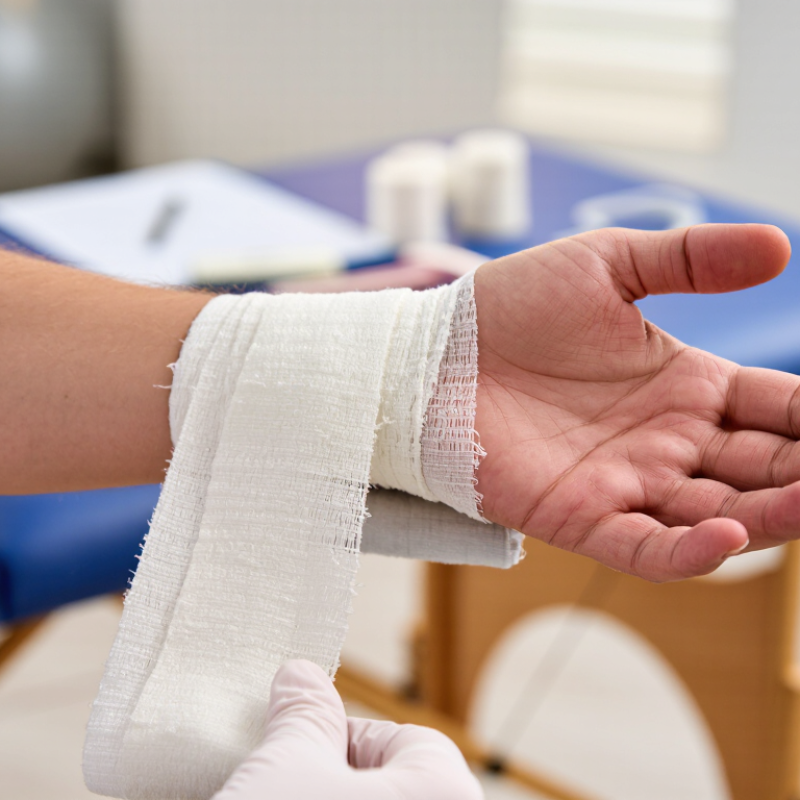
China Best Sports Tape How to Stabilize a Wrist Injury?

Understanding Wrist Injuries and When Taping Is Appropriate

Wrist injuries vary from mild ligament strains to fractures, tendon irritation, and nerve compression. A careful assessment matters before applying sports tape. Mild pain after a controlled twist may respond to temporary support, especially when the wrist remains aligned and usable. Severe swelling, visible deformity, bruising that spreads quickly, or a snapping sound needs medical evaluation. Do not tape over an open wound, infected skin, or unexplained numbness.

Taping can limit painful movement and remind an athlete to protect the joint during light activity. It cannot repair torn tissue or stabilize a fracture. The wrist should be clean and dry, with neutral positioning rather than forced bending. Apply firm but comfortable strips around the forearm and hand, leaving the fingers visible. Check warmth, color, sensation, and movement after several minutes. Loosen the tape immediately if tingling, throbbing, pale skin, or increasing pain appears.

It should feel supportive.

A qualified physiotherapist or clinician can match the technique to the injury and activity. A tape job that looks secure may still restrict circulation or hide worsening symptoms. It is easy to underestimate a small wrist injury, particularly when pain fades during exercise. Reassess after activity, remove the tape gently, and inspect the skin for redness or blisters. Persistent pain, weak grip, night discomfort, or reduced movement deserves professional review rather than repeated taping.

China Best Sports Tape: How to Stabilize a Wrist Injury?

Understanding Wrist Injuries and When Taping Is Appropriate

The chart shows representative healthy-adult wrist motion reference values: flexion about 80°, extension about 70°, radial deviation about 20°, and ulnar deviation about 30°. Values vary by assessment method and individual anatomy. Sports tape may provide temporary proprioceptive support and limit aggravating movement, but it should not be used to treat a suspected fracture, dislocation, tendon rupture, nerve symptoms, marked swelling, or significant instability. Stop activity and seek medical assessment when these warning signs are present.

Reference: American Academy of Orthopaedic Surgeons, wrist and hand range-of-motion guidance.

Choosing the Best Sports Tape for Wrist Stabilization

Choosing the best sports tape for wrist stabilization starts with the injury, not the packaging. A mild sprain may need flexible support, while a painful or unstable wrist needs professional assessment. Rigid athletic tape limits unwanted movement. Elastic tape offers lighter support and greater comfort. Neither option repairs a fracture. If swelling, numbness, deformity, or severe pain appears, stop activity and seek medical care.

For training, choose tape with consistent tension, breathable adhesive, and clean removal. Check the skin first. It should be dry, hair-free, and free from cuts.

Anchor the tape below the palm, then guide strips around the wrist without tightening the fingers. The hand should stay warm and pink.

In practice, over-wrapping feels secure at first, but it can restrict circulation and hide worsening pain. That mistake deserves a second check.

Tips:

Test a small patch for skin sensitivity. Keep the wrist neutral during application. Use shorter strips for beginners. Recheck the tape after ten minutes of movement. Replace it when edges curl or moisture loosens the adhesive. Do not sleep in a tight wrap unless a clinician advises it. Good tape supports controlled movement; it should not encourage anyone to ignore an injury.

Preparing the Wrist and Skin Before Applying Tape

Preparing the wrist and skin properly can determine whether sports tape supports movement or simply peels away. Remove rings, watches, and bracelets before assessment. Check for swelling, bruising, numbness, unusual heat, or severe pain. These signs may require medical evaluation before taping. Do not tape an unexplained injury.

Wash the wrist with mild soap and water, then dry it completely. Avoid applying lotion, oil, or sunscreen beforehand. Keep it dry. Small amounts of moisture can weaken adhesion. Cover cuts, blisters, rashes, and irritated areas with a suitable sterile dressing. A patch test on nearby healthy skin is sensible, especially for sensitive users. Wait several hours and watch for redness, itching, or burning.

Trim excessive hair if necessary, but avoid shaving immediately before application. Freshly shaved skin may sting and react under adhesive. Place the wrist in a comfortable, neutral position, not sharply bent. The skin should be relaxed and free from creases. Do not rush. A common mistake is stretching the tape before the anchor is secure. That can create pressure points and restrict circulation. Check the fingers after application for color, warmth, sensation, and normal movement. If tingling, throbbing, or increasing pain appears, remove the tape carefully. Even experienced users can apply too much tension, particularly when treating a painful wrist. Taping should support controlled activity, not hide a serious injury.

Applying Sports Tape Step by Step for Wrist Support

For a mild wrist strain, sports tape can limit painful movement and provide gentle support. I use it only after checking for swelling, deformity, open skin, or severe pain. Those signs need medical assessment, not home taping. Clean and dry the skin, then keep the wrist in a neutral position. Do not force it flat.

Cut two anchor strips and place them around the lower forearm, leaving room for normal circulation. Add a strip across the palm, extending toward the little-finger side. Apply it with light tension, then smooth the tape without wrinkles. Continue with overlapping strips around the wrist, covering about half of each previous layer. A loose figure-eight pattern can support movement while reducing sudden bending. Keep the fingers relaxed.

Check the fingertips after taping. They should stay warm and their normal color. Numbness, tingling, throbbing, or increased pain means the tape is too tight. Remove it slowly and reassess the wrist. My early attempts were often too restrictive, which made gripping uncomfortable. Less tension worked better. Avoid taping over irritated skin, and remove the support after activity so the skin can breathe. A qualified physiotherapist or sports medicine professional should assess recurring pain, weakness, or symptoms lasting more than a few days.

Checking the Tape and Adjusting Care After Application

China Best Sports Tape: How to Stabilize a Wrist Injury?

A wrist tape application should be checked immediately, not admired. The strip must support the joint without restricting circulation or finger movement. Check skin color, warmth, sensation, and capillary refill after five minutes. Numb fingers are a warning.

Too tight.

The World Health Organization reported that 1.71 billion people live with musculoskeletal conditions worldwide in 2022. However, tape cannot repair a fracture, ligament tear, or serious instability. A 2024 systematic review of taping for musculoskeletal problems also noted that evidence remains mixed and often low-certainty. Use tape as temporary support, not as a diagnosis.

After application, walk through gentle wrist motion. Pain should not increase. Recheck the tape after activity, sweating, or swelling. Loosen or remove it if the skin becomes pale, blue, cold, itchy, or increasingly painful. Keep the wrist relatively rested, elevate it during swelling, and seek clinical assessment after a fall, visible deformity, severe tenderness, or persistent weakness. The American College of Sports Medicine recommends gradual return to activity and stopping when symptoms worsen. I would also question a perfectly neat application if the hand feels clumsy. Comfort matters more than appearance.

FAQS

When is wrist taping appropriate?

Taping may help a mild strain when the wrist stays aligned, usable, and only mildly painful. It is temporary support.

When should I avoid taping my wrist?

Avoid taping with severe swelling, deformity, rapidly spreading bruising, open wounds, infection, or unexplained numbness. Seek medical assessment.

Can wrist tape repair a fracture or torn ligament?

No. Tape may limit painful movement, but it cannot repair fractures, torn tissue, or serious instability. Do not treat it as a diagnosis.

Should I use rigid or elastic tape?

Rigid tape limits unwanted movement. Elastic tape provides lighter support and usually feels more comfortable. The injury decides.

How should I prepare my wrist before taping?

Clean and dry the skin. Remove excess hair if needed, and avoid cuts or irritated areas. Keep the wrist neutral.

How tight should wrist tape feel?

Apply firm, comfortable strips around the forearm and hand. Keep the fingers visible and movable. It should feel supportive.

What warning signs mean I should loosen or remove the tape?

Remove it if fingers become numb, pale, blue, cold, itchy, or increasingly painful. Too tight.

How can I check the tape after application?

Check warmth, color, sensation, finger movement, and capillary refill after about five minutes. Recheck after sweating or exercise. Appearance can mislead.

Can I sleep with wrist tape on?

Avoid sleeping in a tight wrap unless a clinician recommends it. Swelling may increase while you sleep. Night discomfort matters.

When should I seek professional review after taping?

Seek review for persistent pain, weak grip, reduced movement, severe tenderness, or symptoms after a fall. I might underestimate a small injury.

Conclusion

Wrist injuries can range from mild strains to more serious damage, so it is important to understand when sports tape may be helpful and when professional medical care is needed. Sports tape can provide temporary support, limit excessive movement, and improve confidence during light activity, but it should not replace an examination for severe pain, swelling, numbness, deformity, or suspected fractures. The best tape depends on the required support, flexibility, skin sensitivity, and activity level.

To learn how to stabilize a wrist injury with sports tape, first clean and dry the skin, remove excess hair if necessary, and keep the wrist in a neutral position. Apply the tape in carefully planned strips around the wrist and across the areas needing support, avoiding excessive tightness. After application, check circulation, finger movement, comfort, and skin color. Loosen or remove the tape immediately if tingling, numbness, discoloration, increased pain, or skin irritation occurs. Reassess the wrist regularly and allow adequate rest during recovery.

Mason

Mason

Mason is a seasoned marketing professional with a deep expertise in the company's offerings and a passion for driving brand awareness. With a strong background in digital marketing strategies, he has an innate ability to connect with diverse audiences and effectively communicate product benefits.......