2026 Best Way to Apply Kinesiology Tape for Knee Stability?

Time:2026-11-27 Author:Aria
0%

How to apply kinesiology tape for knee stability begins with a clear goal: add light sensory support without pretending tape can hold a knee together. Kinesio Taping founder Dr. Kenzo Kase described the method as supporting muscles and joints without restricting their range of motion. That principle matters. A strip placed from the lower thigh toward the kneecap should feel comfortable, not tight or corrective. The skin should be clean and dry; the knee should bend easily. Small details matter.

This guide explains how to choose a simple pattern, prepare the skin, and apply tape around the kneecap with controlled tension. It also covers common mistakes, such as stretching the tape ends or wrapping too tightly. A mirror can help you check alignment, but it cannot confirm that the placement suits your injury. Tape may offer a reminder of movement or a modest sense of support; evidence for stability benefits varies by condition and person. Not magic. Stop if you notice itching, numbness, increased pain, or skin irritation, and remove the tape gently. If your knee gives way, swells significantly, or remains painful, consult a qualified clinician. The honest caveat: taping technique alone cannot diagnose the cause of instability, and the best application may take careful adjustment.
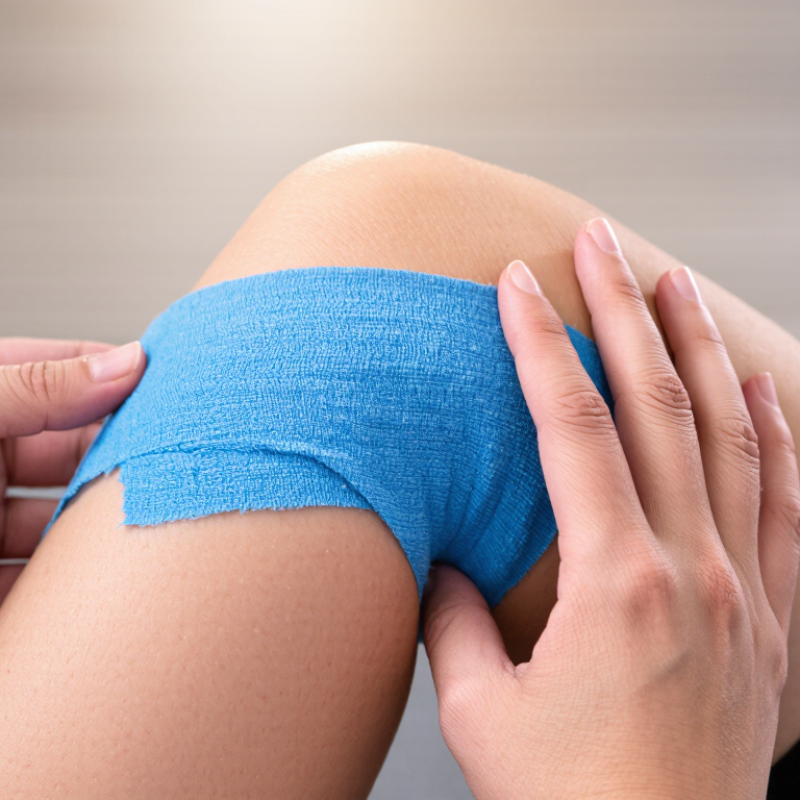
2026 Best Way to Apply Kinesiology Tape for Knee Stability?

How Kinesiology Tape May Support Knee Stability

Kinesiology tape may support knee stability by increasing skin-sensory feedback, helping you notice knee position during walking or exercise. It does not physically lock the joint or replace muscle strength. A 2012 Sports Medicine meta-analysis reviewed 10 studies of kinesiology taping across sports injuries. The authors found limited, inconsistent benefits and no reliable basis for treating tape as a proven stability solution. The studies were not specific to every knee condition, so results should be interpreted cautiously.

For a basic application, start with clean, dry skin and a slightly bent, relaxed knee. Guide two strips along the sides of the kneecap, without pulling the kneecap itself. Use light tension, and leave the tape loose at both ends. A physiotherapist can adapt placement to your symptoms and movement; a strip that looks neat may still be the wrong fit. Stop if you notice itching, burning, numbness, or increased pain.

Tips: Test a small patch first. Check the skin after removal. If the knee gives way, swells, or remains painful, seek assessment rather than relying on tape.

Assess the Knee and Prepare the Skin

Before applying kinesiology tape, check the knee in a relaxed standing position and during a slow bend. Note swelling, warmth, bruising, tenderness, and whether the joint feels unstable. Compare both knees. Ask about recent injury, numbness, and pain that changes with movement. Do not tape over open wounds, active rashes, or unexplained swelling. A tape application cannot identify the cause of knee pain.

The World Health Organization estimated that 528 million people lived with osteoarthritis in 2019, including 365 million with knee osteoarthritis. These figures are a reminder that persistent knee symptoms deserve assessment, not just a strip of tape. Seek clinical advice for severe pain, marked swelling, inability to bear weight, or a hot, red knee. Even a careful check can miss something.

Prepare the skin by washing away sweat, oil, and lotion, then drying it fully. Check for cuts, irritation, adhesive sensitivity, or fragile skin. A small test piece can reveal a reaction, though it cannot guarantee one will not develop later. Trim excess hair if needed; avoid shaving immediately beforehand, since tiny abrasions may irritate under adhesive. Small details matter. Follow the tape’s instructions, and remove it if burning, itching, or redness appears.

Measure and Cut Tape for the Intended Support

Before cutting kinesiology tape, decide what support you want around the knee. A strip intended to guide the kneecap may need a different length and path than one placed beside the joint. Sit with your knee slightly bent, then measure from the starting point to the planned endpoint without pulling the tape. Add a small allowance for rounded ends. Keep the skin clean and dry, and avoid placing tape over irritated or broken skin.

Cut the strips before applying them. Round each corner with scissors; sharp corners tend to catch on clothing and lift sooner. For a simple support pattern, prepare two strips that follow the sides of the kneecap, plus a shorter strip if your clinician recommends one. Keep the first few centimeters at each end free of stretch, and do not pull tightly across the knee crease.

Small details matter.

Too much tension can irritate skin or feel restrictive, while too little may not hold as intended. I sometimes find measuring awkward with the leg bent; recheck the length before cutting, rather than forcing a strip to fit.

Tape can offer a sense of support, but it does not replace assessment for persistent pain, swelling, or instability.

Apply the Tape Around the Knee with Controlled Tension

Kinesiology tape should guide the skin around the knee, not squeeze the joint. Start with clean, dry skin and sit with your knee slightly bent. Measure two strips from below the kneecap, following the sides of the joint. Round the corners so they are less likely to catch on clothing. Keep the first inch of each strip free of stretch. A small anchor matters.

Lay each strip along one side of the kneecap, using gentle tension through the middle and no pull at the ends. Think “smooth, not tight.” Avoid covering the kneecap with a stretched strip or wrapping tape completely around the leg. It is easy to over-tighten while trying to make the tape feel supportive; that can irritate skin or feel restrictive. Rub the tape lightly to help the adhesive warm, then bend and straighten your knee. The tape may offer a tactile cue, but it cannot guarantee stability or prevent injury. Remove it if you notice itching, numbness, tingling, color changes, or increased pain. If your knee feels unstable, or you are unsure where the strips should go, ask a qualified clinician to assess your movement and show you an appropriate application.

Check Comfort, Movement, and Skin Response

Kinesiology tape should feel supportive, not restrictive. Before applying it, make sure the skin around your knee is clean, dry, and free of cuts or irritation. Use rounded tape corners to reduce peeling, and avoid pulling the tape tightly. A gentle application is usually more comfortable than a forceful one. Tape may provide sensory feedback, but it does not replace strength, balance, or clinical care.

Check comfort while sitting, standing, and taking a few slow steps. Bend and straighten your knee without forcing the range. The tape should move with your skin and should not pinch behind the knee or tug sharply at the edges. Comfort matters. If you notice numbness, tingling, increased pain, or a feeling that your movement is restricted, remove the tape. These signs are worth taking seriously, even if the tape looks correctly placed.

Look at your skin after a short trial and again after removal. Mild temporary marks can happen, but burning, persistent redness, itching, or swelling means you should stop using it. Peel the tape back slowly while supporting the skin; pulling it off quickly can irritate the area. Results vary, and a comfortable fit can still feel imperfect during activity. If knee instability continues or follows an injury, ask a qualified health professional for an assessment.

FAQS

Can kinesiology tape make my knee more stable?

It may increase skin-sensory feedback, helping you notice your knee’s position. It does not lock the joint or replace muscle strength. Not a guarantee.

Does research prove that knee taping works?

Evidence is limited and inconsistent. A review of 10 sports-injury studies did not establish tape as a reliable stability treatment. Knee conditions vary, too.

How should I prepare my skin?

Wash away sweat, oil, and lotion, then dry the skin fully. Check for cuts, rashes, or adhesive sensitivity. Try a small test patch.

Where do the strips go?

With your knee slightly bent, guide two strips along the sides of the kneecap. Do not pull the kneecap or cover it with stretched tape.

How much tension should I use?

Use gentle tension through the middle and none at the ends. Keep the first inch of each strip unstretched. Smooth, not tight.

What should the tape feel like?

It should not squeeze or restrict your leg. Bend and straighten your knee after applying it. A tidy-looking strip may still be the wrong fit.

When should I remove the tape?

Remove it if you notice itching, burning, numbness, tingling, color changes, or increased pain. Check your skin again after removal.

When should I seek medical advice?

Seek assessment for severe pain, marked swelling, a hot or red knee, or trouble bearing weight. If your knee gives way or stays painful, do not rely on tape alone. A careful self-check can miss something.

Conclusion

How to apply kinesiology tape for knee stability begins with understanding the area you want to support and preparing carefully. Assess the knee and surrounding skin, checking for irritation, cuts, or sensitivity before applying anything. Clean and dry the skin, then measure and cut the tape to suit the intended support. Rounded corners can help the tape stay in place, while planning the placement in advance makes application easier.

Apply the tape around the knee with controlled, comfortable tension, avoiding excessive pulling or tightness. Smooth it gently so it adheres without wrinkles, and leave the ends relaxed where appropriate. After application, check that the tape feels comfortable and does not restrict movement. Walk or bend the knee gently, then monitor the skin for redness, itching, or discomfort. Remove the tape if irritation develops, and seek professional guidance if knee pain or instability persists.

Aria

Aria

Aria is a dedicated marketing professional with a deep passion for innovative strategies and a keen understanding of our company's product offerings. With a wealth of experience in the industry, Aria excels at crafting engaging content that highlights the unique features and benefits of our......