A bandage should protect an injury, not make your fingers feel cold, numb, or unusually prickly. Yet this complaint is more common than many people expect. If you have searched, “Why is my bandage causing numbness or tingling,” the pressure may be too tight, the dressing may have shifted, or swelling may be reducing circulation. Adhesive materials can also irritate sensitive skin, especially after several hours of wear. The cause is not always obvious.
Check the area beyond the bandage. Are the fingertips pale, blue, cool, or difficult to move? Loosen or remove the bandage carefully if it feels restrictive, then observe whether normal sensation returns. Do not pull harshly across broken skin. Clean replacement dressings should fit securely without leaving deep marks. A quality bandage should balance protection, comfort, breathability, and reliable adhesion. Product instructions still matter, even when the package looks familiar.
Persistent numbness deserves medical attention. Seek prompt care if sensation does not improve, pain increases, swelling spreads, or the wound looks infected. These signs may involve more than an ordinary dressing problem. In my experience, people often focus on stopping bleeding and forget to check circulation afterward. That small oversight can matter. This guide examines common bandage-related causes, safer fitting practices, material choices, and warning signs that should not be ignored. It also recognizes an important limitation: numbness can come from the injury itself, not only from the bandage.
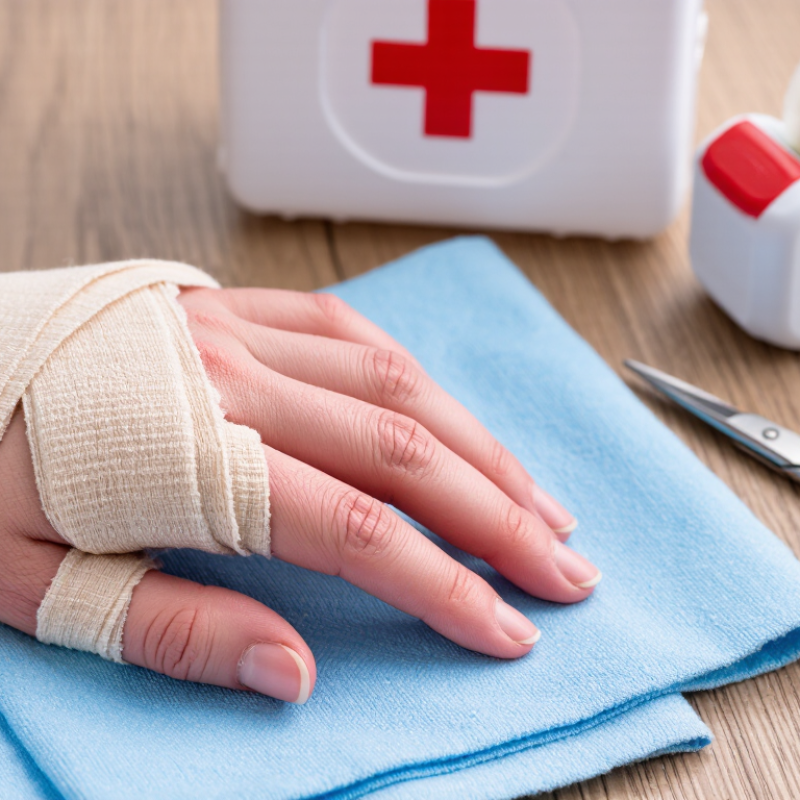
A bandage should protect an injury, not create numbness. Numbness may mean the wrap is too tight and pressing on nearby nerves. Swelling under the dressing can increase that pressure within minutes. Tape may also irritate the skin, although irritation usually causes itching, burning, or redness instead.
Check the exposed skin beyond the bandage. Is it pale, bluish, cold, or unusually swollen? Compare it with the same area on the opposite side. Loosen the wrap carefully, or remove it if the wound allows. Do not pull adhesive forcefully from fragile skin. After several minutes, sensation should begin returning. It may not happen instantly.
Persistent numbness needs medical attention. Seek urgent help if you notice severe pain, weakness, spreading swelling, or skin that stays cold or discolored. A deep cut, crushing injury, or suspected fracture also requires professional assessment. Keep the wound clean and covered with a loose, secure dressing. I sometimes see people tighten bandages repeatedly because they fear bleeding. That understandable reaction can worsen pressure. The safer choice is gentle support and regular checks, especially during the first hours. If numbness continues after loosening, do not assume the bandage caused everything. Injury-related nerve damage, circulation problems, or swelling may be involved.
Numbness after applying a bandage can indicate excessive pressure, swelling beneath the dressing, or irritation near a nerve. Capillary refill time is a simple circulation check: in general, color should return to a pressed fingertip within about 2 seconds.
If numbness develops, loosen or remove the bandage and reassess the area. Seek prompt medical care if numbness persists or if the finger or toe becomes pale, blue, cold, increasingly painful, or difficult to move. Do not use this chart to diagnose an injury.
Reference: NHS guidance on checking circulation and wound dressings; Cleveland Clinic guidance on capillary refill testing. A capillary refill time over 2 seconds can be a warning sign of reduced peripheral circulation, although results can vary with temperature, age, and medical conditions.
China Top Bandages: Why Is My Bandage Causing Numbness?
How Tight Bandages Can Affect Nerves and Circulation
A bandage should protect an injury, not create new symptoms. When wrapped too tightly, it can press on nearby nerves and small blood vessels. You may notice tingling, numb fingertips, burning, or reduced feeling. The skin beyond the bandage might look pale or bluish. It may also feel colder than the other hand or foot.
Check the area every few hours, especially after swelling increases. Compare both sides. Is one fingertip colder? Does gentle pressure leave a slow-fading pale mark? These details matter. Carefully loosen the bandage and reapply it with even, light pressure. It should feel secure, never constricting. Avoid adding layers simply because the dressing seems loose.
Persistent numbness needs medical attention. Seek prompt care if the skin remains blue, cold, unusually painful, or weak after loosening the wrap. Sudden loss of movement is more serious. Do not ignore worsening symptoms because the wound itself looks clean. That assumption can be misleading. Children, older adults, and people with circulation problems may not describe pressure accurately. A healthcare professional can assess nerve function, blood flow, swelling, and the wound together. A small adjustment may solve the problem, but not every numb sensation comes from the bandage.
Why Is My Bandage Causing Numbness?
Numbness under a bandage often comes from pressure, swelling, or reduced circulation. A wrap that feels comfortable at first may become tight as the wound area swells. Adhesive edges can also press against sensitive skin or irritate small nerves. Moisture trapped beneath the pad may worsen swelling and itching. A practical check is simple: look at the skin beyond the bandage. Is it pale, blue, cold, or unusually swollen?
Remove or loosen the bandage carefully if numbness begins. Do not pull hard across an open wound. Let the skin rest briefly, then cover the area with a clean, dry dressing that does not restrict movement. Keep fingers or toes warm, and compare their color with the opposite side. The numb feeling should improve after pressure is relieved. Sometimes it does not. That matters.
It is easy to blame the adhesive, but that assumption can be wrong. Numbness may indicate nerve irritation, infection, significant swelling, or an underlying circulation problem. Seek prompt medical advice if symptoms persist, worsen, or occur with severe pain, weakness, spreading redness, drainage, fever, or a cold limb. People with diabetes or known circulation issues should get advice earlier. Avoid wrapping tighter just to stop bleeding unless a trained professional has instructed you. A dressing protects a wound, but excessive pressure can create another problem.
A bandage should protect a wound, not create pressure, tingling, or loss of sensation. Tight wrapping can compress small nerves and reduce blood flow. A practical check is simple: compare both hands or feet. Look for pale, blue, cold, or swollen skin. Press a fingernail and watch for normal color return.
Do not ignore persistent numbness. Remove or loosen the bandage gently when appropriate, then reassess the skin. If a clinician instructed you to keep a surgical dressing sealed, contact that care team instead. The U.S. Agency for Healthcare Research and Quality reports that pressure injuries affect more than 2.5 million hospitalized patients annually. Pressure is not harmless. It can damage tissue quietly.
Seek immediate medical care if numbness continues, worsens, or appears with severe pain, weakness, inability to move, spreading swelling, or unusual skin color. Emergency help is also needed for heavy bleeding, facial swelling, trouble breathing, or rapidly spreading redness. The World Health Organization states that about one in ten patients experiences harm during healthcare, with more than half considered preventable. I would not treat numbness as a normal trade-off. Even a small dressing can become too tight after swelling develops. My own assumption would be the weak point: “It feels only slightly numb” is not a reliable safety test.
China Top Bandages: Why Is My Bandage Causing Numbness?
Numbness after applying a bandage often signals excessive pressure, swelling, or irritation around a nerve. Remove the bandage slowly and check the skin. Look for pale color, bluish skin, coldness, swelling, or increasing pain. Gently move the affected finger, toe, or limb. Sensation should gradually return within a short time. If numbness continues, spreads, or affects movement, seek medical advice promptly. Do not reapply the same tight dressing.
Wound-care literature shows why fit matters. Hospital studies reviewed in a 2022 wound-care article reported medical adhesive-related skin injury rates ranging from about 3% to 25%, depending on the patient group and care setting. The National Pressure Injury Advisory Panel also emphasizes that prolonged pressure can damage tissue, especially when swelling develops. A bandage that felt comfortable yesterday may become restrictive today. I sometimes underestimate how quickly swelling changes pressure. That assumption needs correcting.
Tips: Use a clean, breathable dressing with room for one fingertip underneath. Avoid wrapping across joints too tightly. Recheck color, warmth, and sensation every few hours. Replace wet or dirty dressings. If adhesive causes itching or blistering, stop using it and ask a pharmacist or clinician about gentler alternatives. Children, older adults, and people with diabetes may notice injuries later, so their skin needs closer inspection.
| Possible Cause | Typical Signs | Safe Steps to Relieve Numbness | Prevention Tips | When to Seek Medical Care |
|---|---|---|---|---|
| Bandage wrapped too tightly | Tingling, numbness, cool skin, pale or bluish skin, swelling beyond the bandage, or increasing discomfort. | Remove or loosen the bandage promptly. Check skin color, warmth, sensation, and movement. Reapply it loosely if wound protection is still needed. | Use a secure but comfortable fit. You should be able to slide a fingertip under most wrap-style bandages without force. | Seek urgent care if sensation, color, warmth, or movement does not return soon after loosening or removing the bandage. |
| Adhesive placed over a pressure-sensitive area | Numbness or pins-and-needles near the edge of the adhesive, especially around fingers, wrists, ankles, or toes. | Remove the adhesive gently in the direction of hair growth. Avoid pulling forcefully or stretching the skin. | Place adhesive on intact skin around, not directly over, areas that are already numb or unusually sensitive. | Contact a healthcare professional if numbness persists, spreads, or is accompanied by weakness or severe pain. |
| Swelling beneath the dressing | The bandage feels tighter over time; the covered area may throb, feel cold, or become increasingly numb. | Remove restrictive layers and elevate the injured limb when appropriate. Do not rewrap tightly while swelling is increasing. | Use a dressing that allows room for expected swelling and check the area regularly during the first several hours after injury. | Get prompt medical attention for rapidly increasing swelling, severe pain, blue or gray skin, or loss of movement. |
| Skin irritation or contact dermatitis | Itching, redness, burning, rash, blisters, or tenderness under or around the adhesive; true numbness is less typical. | Remove the suspected irritant and gently clean the surrounding skin. Do not apply another adhesive to the irritated area without professional advice. | Keep the skin clean and dry, and consider a non-adhesive dressing secured without excessive pressure if suitable for the wound. | Seek care for facial swelling, breathing difficulty, widespread hives, pus, spreading redness, fever, or worsening pain. |
| Underlying nerve or circulation problem | Numbness continues after the bandage is removed, occurs without a bandage, or is associated with weakness, severe pain, or reduced pulses. | Remove the bandage and avoid further pressure. Do not massage an area that is cold, discolored, severely painful, or completely numb. | Follow wound-care instructions and avoid tight clothing, jewelry, or wraps around the affected area. | Arrange prompt evaluation for persistent numbness, new weakness, inability to move a limb, or significant color or temperature change. |
| Wet or contaminated dressing | Softened skin, increased irritation, unpleasant odor, drainage, or discomfort under the dressing. | Wash your hands, replace the dressing with a clean and appropriately sized one, and avoid touching the wound unnecessarily. | Keep the dressing clean and dry, and change it according to wound-care instructions or when it becomes wet or soiled. | Contact a healthcare professional for spreading redness, warmth, swelling, pus, fever, red streaks, or worsening pain. |
| Incorrect dressing size or placement | Pressure concentrated on one spot, restricted finger or toe movement, or numbness directly beneath a narrow strip. | Remove and replace the dressing so it covers the wound without crossing or compressing a joint unnecessarily. | Select a dressing large enough to cover the wound while leaving surrounding skin free from excessive tension. | Seek medical advice if numbness remains after the dressing is repositioned or if the wound is deep, gaping, or heavily contaminated. |
Safety note: Numbness should not be ignored if it persists after the bandage is loosened or removed. For a deep wound, uncontrolled bleeding, severe pain, major swelling, signs of infection, or sudden loss of movement or sensation, obtain medical care promptly.
A tight wrap may press on nearby nerves and small blood vessels. Swelling can increase pressure within minutes. Numbness is a warning sign.
Compare both sides. Look for pale, bluish, cold, or unusually swollen skin. Check whether fingertips feel different from the opposite hand.
Loosen it carefully and reapply light, even pressure. Do not add extra layers. The dressing should feel secure, never constricting.
Not always. Sensation may return gradually over several minutes. If numbness continues, do not assume pressure was the only cause.
Seek prompt care for persistent numbness, severe pain, weakness, spreading swelling, or skin that stays cold or discolored.
Tape irritation usually causes itching, burning, or redness. Numbness more often suggests pressure, swelling, nerve injury, or circulation problems.
Swelling can develop after the dressing is applied. Regular checks may reveal colder fingers, color changes, or increasing pressure before symptoms worsen.
Deep cuts, crushing injuries, suspected fractures, and sudden loss of movement need medical evaluation. A clean-looking wound can still hide nerve or circulation damage.
Numbness or tingling beneath a bandage can be a sign that it is too tight or restricting normal blood flow. The question “Why is my bandage causing numbness or tingling” is important because pressure from adhesive strips, elastic wraps, or swelling around an injury may compress nearby nerves and blood vessels. Other possible causes include incorrect application, inflammation, an overly bulky dressing, or an underlying injury affecting sensation.
If numbness develops, carefully loosen or remove the bandage and check whether skin color, warmth, and feeling improve. Keep the injured area supported without applying excessive pressure, and replace the dressing with a comfortable, properly sized one when needed. Seek immediate medical care if numbness persists, worsens, or occurs with severe pain, pale or blue skin, cold fingers or toes, weakness, increasing swelling, or loss of movement. To prevent recurrence, apply bandages evenly, avoid wrapping joints too tightly, check circulation regularly, and follow appropriate wound-care instructions.
NuCure Medical