A bandage should support an injury, not squeeze it. Yet a wrap that feels comfortable at first can tighten as swelling increases. What are the signs of a bandage being too tight? Watch for worsening pain, tingling, numbness, cool skin, or fingers and toes that look pale or bluish. The skin beyond the wrap is a useful window. Check it, rather than judging tightness by the bandage’s appearance alone.
Mayo Clinic sports medicine physician Edward R. Laskowski, M.D., gives a practical rule: “If you feel numbness or tingling, loosen the bandage.” That small change can matter. NHS first-aid guidance also advises loosening a wrap if the area becomes numb, tingly, or more painful. Cochrane’s evidence review of compression therapy for leg ulcers shows why technique and applied pressure matter, though those findings do not set one safe tightness for every home bandage. Body part, swelling, and the reason for wrapping all change the picture. There is no universal pressure number to rely on.
Check the exposed fingers or toes after wrapping and again as swelling changes. Press a nail until it turns pale, then release; color should return promptly. This check is imperfect, and it cannot rule out every circulation problem. If the limb becomes cold, blue, increasingly painful, or stays numb after loosening, seek urgent medical care. A neat wrap is not the goal. Safe circulation is.
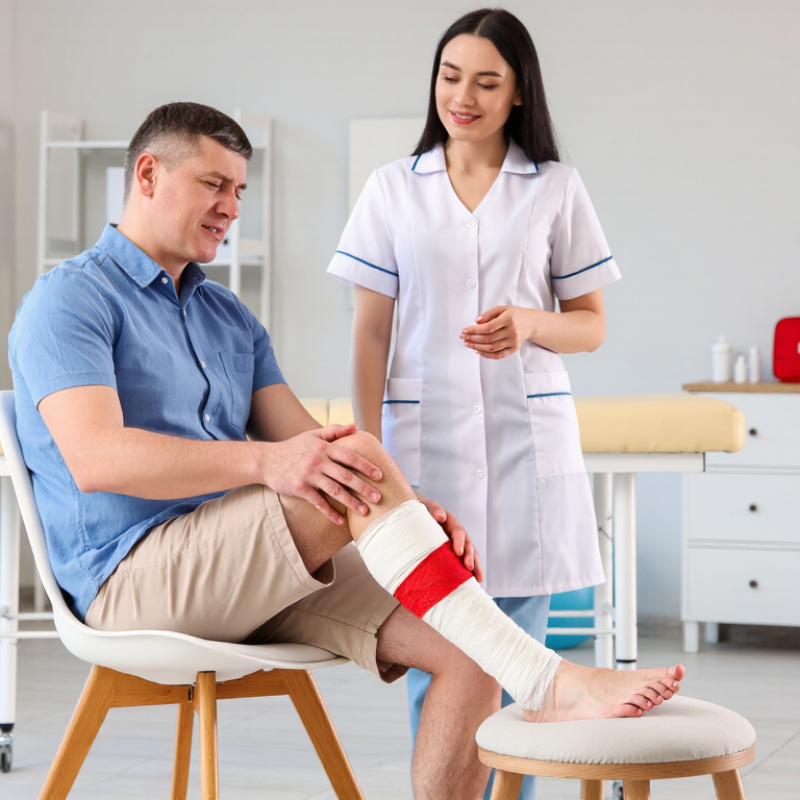
How a Bandage Can Become Too Tight
A bandage may feel comfortable when first applied, then become tight as swelling develops. This often happens after a sprain, cut, or other injury. The wrap has not necessarily shrunk; the tissue beneath it may simply have expanded. Several overlapping layers or pulling elastic material too firmly can add pressure. Even a small change can matter.
Watch the area beyond the bandage, such as fingers or toes. Pale, bluish, or cool skin, tingling, numbness, increasing pain, or swelling past the edge may signal excessive pressure. These signs deserve attention, though they can have other causes. Loosen the wrap if symptoms begin, and seek medical advice if they persist or worsen. Severe pain, loss of sensation, or color changes need prompt medical assessment. It is easy to assume a snug wrap is a secure one; that is not always true.
Tips: Wrap gently, without pulling the material tight. Check skin color, warmth, feeling, and movement after applying it, then check again as swelling changes. If you are unsure how to rewrap an injury, ask a healthcare professional.
Common Signs of Excessive Bandage Pressure
A bandage should feel secure, not constricting. When pressure is excessive, the area beyond it, such as fingers or toes, may become swollen, pale, bluish, or unusually cool. Compare both sides with the unwrapped limb when possible. Watch for tingling, numbness, or pain that keeps increasing. These are warning signs. A faint imprint can happen, but deep grooves or skin that stays indented deserve attention.
Movement can offer clues. Fingers or toes that are difficult to bend may signal too much pressure. You can also press a nail until it turns pale, then release; color generally returns within about two seconds. Cold hands and some health conditions can affect this check. Don’t rely on one test. It can mislead. Consider color, warmth, sensation, swelling, and pain together.
If these symptoms appear, loosen the outer wrap and reassess the skin and sensation. If they do not improve promptly, or the limb becomes blue, very cold, severely painful, or weak, seek urgent medical care. If a clinician applied the bandage after surgery or an injury, contact them before changing deeper dressings. A snug wrap should not hurt. That distinction is easy to overlook.
How to Check Circulation and Sensation Below the Bandage
To check circulation, compare the fingers or toes beyond the bandage with those on the other side. Look for unusual paleness, blue or dusky color, swelling, or skin that feels cooler. Press a nail until it turns pale, then release. Color should return within about two seconds, though cold hands can affect the result. Check both sides.
Notice sensation and movement, too. Gently touch each fingertip or toe and compare how it feels with the unbandaged side. Ask whether there is new tingling, numbness, burning, or increasing pain. Try wiggling the fingers or toes without forcing them. A clear difference matters. Recheck after a few minutes, especially if swelling is changing; it can be easy to miss a gradual change.
If symptoms appear, loosen an elastic wrap and reapply it with even, comfortable pressure. Keep any wound dressing in place. A bandage should feel secure, not squeeze. If color, warmth, sensation, or movement does not promptly improve, or pain or swelling is worsening, seek urgent medical care. Do not wait if the fingers or toes become blue, very pale, cold, or difficult to move. A cast or rigid splint should not be cut or adjusted at home; contact a clinician promptly.
Steps to Loosen or Reapply a Tight Bandage Safely
A tight bandage may cause increasing pain, tingling, numbness, or swelling beyond the wrapped area. Fingers or toes can look pale or bluish and feel unusually cool. Check the skin beyond the bandage, not just the wound. If a finger or toe becomes cold, discolored, or numb, act promptly. These signs can mean circulation is restricted.
Sit down and support the injured limb. Gently unwind or loosen the outer wrap, one layer at a time; do not yank it off. Keep the wound pad in place if it is stuck to the skin. Wait a few minutes, then check color, warmth, feeling, and pain again. If symptoms do not ease quickly, or worsen, seek urgent medical care. Don’t keep adjusting it and hope.
To reapply, use a clean bandage and wrap from the area farthest from the body toward it, overlapping each turn by about half. Keep the pressure even and light. You should be able to slide a fingertip under the wrap without forcing it. Recheck the fingers or toes after wrapping and again soon afterward. It is easy to make a new wrap too tight while trying to secure it; leave it slightly less snug rather than compressing the limb. Get professional advice for severe injuries, persistent swelling, or a wound that keeps bleeding.
Why Is My Bandage Too Tight and What Are the Signs? - Steps to Loosen or Reapply a Tight Bandage Safely
| What to check |
Possible sign or cause |
What to do safely |
| Pain or pressure |
Increasing discomfort, throbbing, or a feeling of squeezing beneath the bandage may mean it is too tight or swelling has increased. |
If it is a simple wrap, gently unwind and reapply it with less tension. Do not pull the wrap tight to hold a dressing in place. |
| Numbness or tingling |
Pins and needles, reduced sensation, or numb fingers or toes can indicate pressure on nerves or impaired circulation. |
Loosen a removable wrap promptly. If sensation does not improve soon after loosening, seek urgent medical advice. |
| Color or temperature change |
Skin beyond the bandage that looks pale, blue, or unusually red, or feels cold compared with the other side, may signal reduced blood flow. |
Loosen a removable wrap immediately. Seek urgent care if the color or temperature change persists or is severe. |
| Swelling beyond the wrap |
Fingers or toes becoming swollen, tight, or increasingly difficult to move can occur when a wrap restricts circulation or swelling increases underneath it. |
Loosen a removable wrap and reassess. Get medical advice if swelling is worsening, movement is limited, or symptoms do not improve. |
| Difficulty moving |
New weakness or trouble moving fingers or toes may be related to pressure or may indicate an underlying injury that needs assessment. |
Loosen a removable wrap. Do not force movement; seek medical advice, especially if weakness continues. |
| Why it may feel too tight |
The wrap may have been pulled too firmly, applied unevenly, or become restrictive as the injured area swells. |
Check the area regularly, particularly after applying a wrap and when swelling is changing. Keep fingers or toes visible when possible. |
| Reapplying a simple wrap |
A wrap should feel supportive, not constricting. There should be no new numbness, tingling, worsening pain, or color change. |
Rewrap smoothly with gentle, even tension; avoid pulling tightly or making bulky folds. Check comfort, color, warmth, sensation, and movement afterward. |
Important: If the bandage covers a surgical wound, a cast, or a dressing that a clinician told you not to remove, follow those instructions and contact your clinician for guidance rather than removing it yourself. Seek emergency care for severe or rapidly worsening pain, persistent blue or pale skin, loss of sensation, or inability to move the affected fingers or toes.
When Tight Bandage Symptoms Need Urgent Medical Care
A bandage should feel secure, not crushing. Seek urgent medical care if pain keeps rising, fingers or toes become pale, blue, or cold, or you notice numbness, weakness, or trouble moving them. These changes can signal reduced blood flow or nerve compression. Loosen a tight elastic wrap while arranging care; don’t wait to see whether severe symptoms pass. If the limb remains discolored or numb, treat it as urgent.
Extra caution matters if you have diabetes, known circulation problems, or a history of leg ulcers. The 2024 ACC/AHA guideline for lower-extremity peripheral artery disease classifies an ankle-brachial index of 0.90 or below as abnormal. Poor circulation may make a limb less tolerant of pressure. A home check is not a diagnosis, though, and a tight wrap can cause harm even without known disease. It’s easy to dismiss tingling. Don’t.
Tips: Check exposed fingers or toes for warmth, color, feeling, and movement after wrapping. If symptoms appear, loosen the wrap and seek prompt medical advice; get emergency care for severe pain, persistent coldness, color change, or loss of movement. If the bandage was applied after surgery, contact the care team before disturbing the dressing.
Conclusion
A bandage may become too tight if it is wrapped with too much tension, swelling increases beneath it, or the dressing shifts and pulls unevenly. What are the signs of a bandage being too tight? Watch for worsening pain or pressure, tingling, numbness, a cool or pale/blue appearance in the fingers or toes below the wrap, and swelling beyond its edge. These changes can suggest that circulation or sensation is being affected.
Check the area below the bandage and compare it with the same area on the other side of your body. If the wrap feels restrictive, loosen it carefully or reapply it with even, gentle tension, keeping the injured area supported. Do not remove a dressing that has been placed to control serious bleeding without getting medical advice. Seek urgent care if the skin remains discolored or cold, sensation does not return after loosening, pain is severe or increasing, or movement becomes difficult.

 NuCure Medical