Lymphedema affects millions worldwide, leading to swelling and discomfort. Proper management is crucial for improving quality of life. "How to apply a compression bandage for lymphedema" is a key technique in this process. Compression bandages aid lymphatic flow, reduce swelling, and prevent complications.
Research indicates that consistent use of compression therapy can significantly enhance limb function and minimize pain. A study published in the Journal of Lymphology showed a 50% reduction in limb volume among patients using correct compression methods. However, improper application remains common. Misalignment of bandages can result in increased swelling or tissue damage.
It's essential to learn the correct application techniques. Individuals can face challenges, such as difficulty adjusting tension or maintaining the bandage. Guidance from healthcare professionals can empower patients to overcome these obstacles. With the right knowledge, effective use of compression bandages can transform lymphedema management, leading to better outcomes.
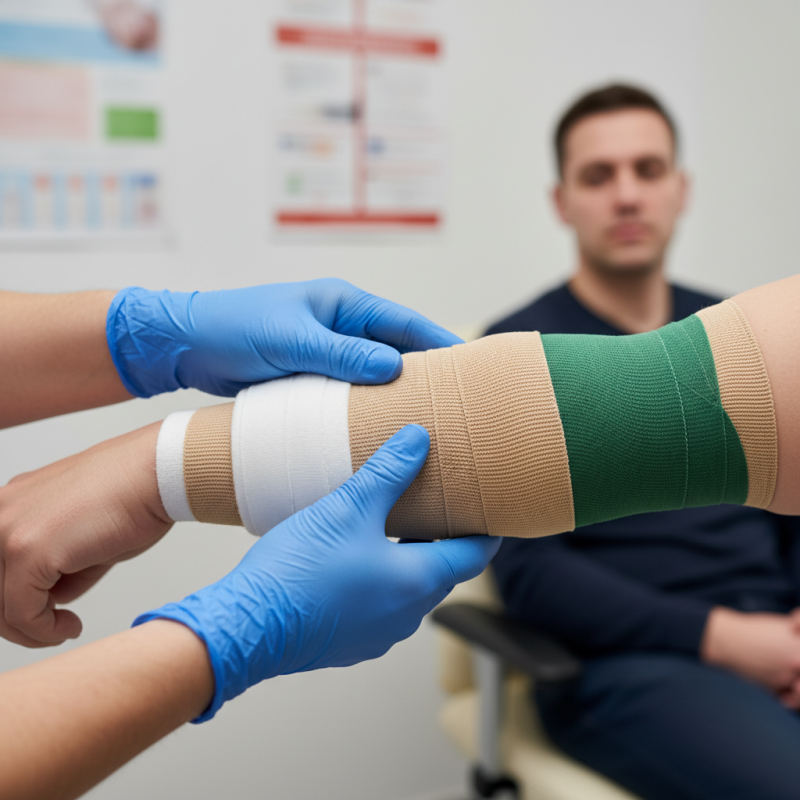
Understanding Lymphedema and the Role of Compression Bandages
Lymphedema is a chronic condition that causes swelling, often in the limbs. It occurs when lymph fluid builds up due to a compromised lymphatic system. According to the World Health Organization, millions across the globe are affected by lymphedema, with significant numbers experiencing disability. Understanding this condition is crucial for effective management.
Compression bandages play a vital role in lymphedema treatment. They help reduce swelling by applying pressure, which promotes lymphatic fluid drainage. Studies indicate that consistent compression use can decrease limb volume by up to 50% in some patients. However, applying these bandages incorrectly can lead to complications like skin irritation or circulation issues. Careful training and practice are essential.
Getting the right level of compression can be tricky. Too tight can hinder blood flow; too loose won’t be effective. Many patients struggle with achieving the perfect fit, leading to frustration and inconsistent results. Proper education and guidance from healthcare professionals are essential in overcoming these challenges. Ultimately, mastering the application of compression bandages can greatly enhance the quality of life for those living with lymphedema.
Selecting the Right Type of Compression Bandage for Lymphedema
Selecting the right type of compression bandage for lymphedema is crucial.
Individuals with lymphedema often experience swelling due to fluid buildup. A proper bandage exerts controlled pressure, helping to improve lymphatic drainage. Research indicates that 70% of patients benefit significantly from compression therapy, highlighting its importance.
When choosing a bandage, consider the material. Elastic bandages offer flexibility but may not provide adequate support. In contrast, multi-layered systems, including foam and short-stretch bandages, tend to deliver effective compression. A study revealed that patients using multi-layered bandages experienced a 30% reduction in limb volume compared to those who used standard elastic wraps. It's essential to assess comfort and durability as well.
Improper application or selection can lead to complications. Some patients report discomfort or skin irritation from poorly fitting bandages. It's vital to regularly evaluate the condition of both the limb and the bandage. Checking for signs of improved limb appearance, such as reduced swelling, is necessary. However, some individuals may still struggle with managing these choices effectively. Every experience varies, requiring a personalized approach for optimal care.
Step-by-Step Guide to Applying a Compression Bandage
Applying a compression bandage for lymphedema requires attention to detail and proper technique. Start by preparing the skin. Ensure the area is clean and dry. This helps the bandage adhere better. According to a study published in the Journal of Lymphology, nearly 70% of patients found improved symptoms when bandages are applied correctly.
Next, select the right type of bandage. It should have enough elasticity and proper length. Roll the bandage out, avoid stretching it excessively. Wrap it around the affected limb, starting from the distal end. Overlap the layers by about half, ensuring consistent pressure. Experts recommend a pressure range of 20-30 mmHg for optimal results.
Monitor for any discomfort or skin issues while wearing the bandage. A bandage should feel snug but not painful. If the skin appears red or irritated, reevaluate the application technique. Regular follow-ups with healthcare professionals can help track the condition. Lymphedema can be complex, and improper application may lead to complications.
Common Mistakes to Avoid When Applying Compression Bandages
When it comes to applying compression bandages for lymphedema, awareness of common mistakes is crucial. A significant number of patients fail to achieve optimal compression due to improper technique. Research indicates that around 70% of patients experience discomfort because of tightly wrapped bandages. It’s vital to ensure that the bandage is snug but not painful. Signs of excessive pressure include numbness or tingling, which should never be ignored.
Another common pitfall is the lack of proper layering. Inadequate coverage can lead to uneven pressure distribution. Over 50% of lymphedema patients do not use enough bandage layers, leading to ineffective treatment. While it’s tempting to rush, each layer must adhere smoothly and evenly. Mistakes in placement can exacerbate the condition rather than alleviate it.
Lastly, timing and monitoring are often overlooked. Bandages should be adjusted regularly to accommodate swelling fluctuations. Approximately 30% of users neglect to check their bandage, risking further complications. Always encourage patients to assess their limb regularly and adjust the bandage accordingly. Proper education and technique are keys to successful compression therapy, making attention to detail essential.
Caring for Compression Bandages to Ensure Effectiveness
When caring for compression bandages for lymphedema, proper maintenance is crucial for effectiveness. Keep the bandages clean and dry. Regularly wash them according to the manufacturer’s guidance. Generally, a gentle detergent works well. Avoid using bleach, as it can weaken the fabric. Store bandages in a cool, dry place to prevent mold or bacteria growth.
Tips: Always check for any signs of wear or damage. A frayed bandage can lose its compression ability. Replacing them when needed is essential.
Don’t neglect your skin. Keep it moisturized and healthy under the bandages. Dry skin can make wearing compression uncomfortable. Consider applying a mild lotion before bandaging, but ensure it’s fully absorbed.
Tips: Monitor any changes in skin condition. If you notice redness or irritation, reassess your methods. Sometimes adjustments in technique, such as tighter or looser application, are necessary. Listen to your body and consult with a healthcare professional regularly. Your comfort is key in effective lymphedema management.
FAQS
: Many patients apply bandages too tightly, causing discomfort and pain. This can result in numbness or tingling.
Adequate layering is essential. Over 50% of patients don’t use enough layers, leading to ineffective treatment.
Timing matters. Bandages should be adjusted for swelling fluctuations. Ignoring this can lead to complications.
Keep the bandages clean and dry. Wash them gently, avoiding bleach to preserve their strength.
Monitor skin conditions closely. Adjust your techniques if irritation occurs. Moisturize skin prior to bandaging.
Inspect for wear and fraying. Damaged bandages can lose their effectiveness, so replace them when necessary.
Yes, regular assessments are crucial. This helps ensure proper bandage fit and comfort during lymphedema management.
Always ensure the lotion is fully absorbed before applying the bandage. This helps maintain comfort.
Rushing can lead to mistakes in placement and ineffective compression. Take your time for the best results.
Numbness or tingling is a clear indication. If you experience this, adjust the bandage immediately.
Conclusion
Lymphedema is a chronic condition that requires careful management, and understanding how to apply a compression bandage for lymphedema is crucial for effective treatment. The first step is to select the appropriate type of compression bandage, as different materials and compression levels serve varied needs. Following a step-by-step guide, one should apply the bandage starting from the furthest point from the body, ensuring proper tension and coverage without restricting blood flow.
Additionally, being aware of common mistakes—such as incorrect wrapping techniques or insufficient pressure—can greatly enhance the effectiveness of the bandage. After application, proper care for the compression bandage, including regular cleaning and inspection for wear, ensures it continues to provide the necessary support. By adhering to these guidelines, individuals can significantly improve their management of lymphedema through the effective use of compression bandages.

 NuCure Medical