Why is My Bandage Making My Skin Numb or Tingling?

Time:2026-06-07 Author:Mason
0%

When you ask "Why is my bandage causing numbness or tingling?", you tap into a common concern for many. Bandages play a crucial role in wound care, but improper use can lead to unexpected sensations. According to a study published in the Journal of Wound Care, 15% of patients report discomfort related to their dressings. This discomfort often includes tingling or numbness, arising from pressure on nerves or restricted blood flow.

Research indicates that the way a bandage fits is vital. If it's too tight, it can compress the underlying tissues. The Merck Manual notes that proper application is essential to avoid such issues. Inexperience with dressing changes can sometimes lead to mistakes. Individuals may not recognize the subtle signs of complications until numbness occurs. Awareness of these signs is crucial for effective healing.

Ultimately, addressing sensations like tingling immediately is important. Ignoring them can lead to further complications. Understanding the relationship between bandage application and nerve sensitivity is key. A few adjustments could make your recovery smoother and more comfortable.
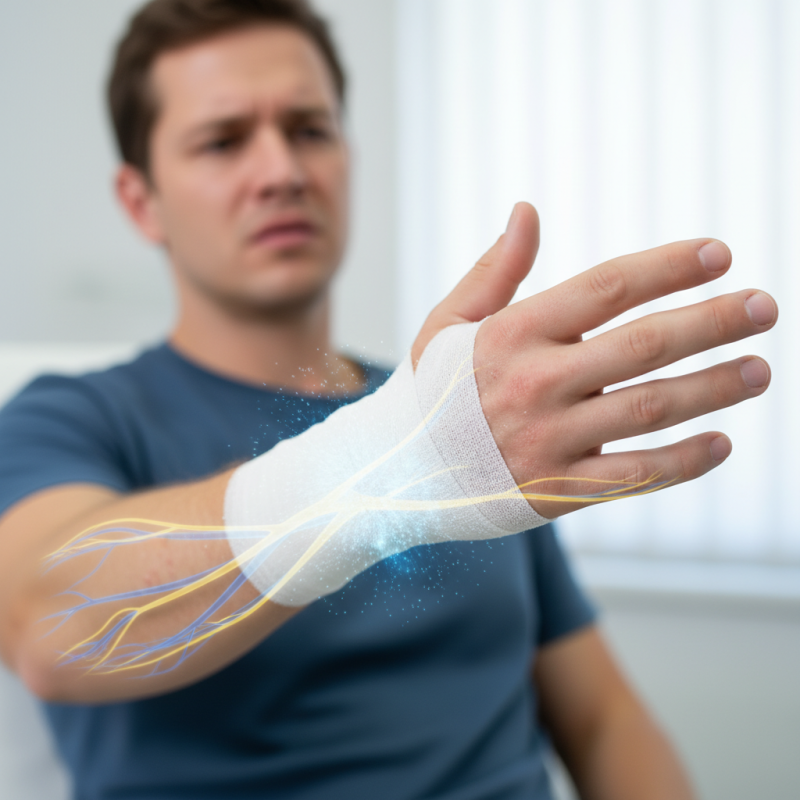
Why is My Bandage Making My Skin Numb or Tingling?

Understanding the Sensation: Numbness and Tingling from Bandages

Feeling numbness or tingling when wearing a bandage is not uncommon. According to a study published in the *Journal of Wound Care*, approximately 30% of patients experience some form of sensory change at the site of their bandage. This sensation can arise from pressure, moisture, or even the material of the bandage itself. When a bandage is too tight, it compresses the nerves, leading to weirder sensations like tingling or numbness.

Moisture buildup underneath a bandage can also contribute to this feeling. Infections or skin irritation may further exacerbate these symptoms, as noted in a report by the *American Academy of Dermatology*. It's important to remember that not all sensations are signs of severe issues. However, prolonged numbness can indicate a problem that deserves attention. Adjusting the fit of your bandage or allowing your skin to breathe can alleviate these feelings.

Listening to your body is crucial. If numbness persists, it's wise to consult a healthcare professional. They can help determine whether it’s a simple case of pressure or a sign of something more serious. Sensations can reveal hidden signals about your skin health. Staying informed and aware is always beneficial.

Understanding Numbness and Tingling from Bandages

Common Reasons for Numbness or Tingling Under Bandages

Numbness or tingling under a bandage can be alarming. This sensation often occurs due to pressure on nerves. When a bandage is applied too tightly, it can compress the skin and underlying tissues. The American Academy of Orthopaedic Surgeons states that excessive pressure might reduce blood flow. This can lead to temporary numbness or a tingling feeling in the affected area.

Another common reason for these sensations is moisture buildup. Wet bandages can cause skin irritation. The skin may react with tingling as it becomes soft and more prone to damage. A study published in the Journal of Wound Care found that damp conditions under bandages contribute to discomfort. Regularly changing dressings helps mitigate this issue, allowing the skin to breathe.

Lastly, an allergic reaction to bandage materials can also cause tingling. Some people may be sensitive to adhesives used in bandages. This can lead to inflammation and a prickly feeling. According to a 2020 report by the National Institute of Health, skin reactions from adhesives occur in 15-20% of patients using them. It’s essential to monitor the site beneath the bandage for such signs, even if the materials seem suitable.

How Bandage Tightness Affects Blood Circulation and Nerve Function

Bandages are essential for protecting wounds, but their tightness matters significantly. A bandage that is too tight can compress blood vessels and nerves. This compression leads to numbness or tingling sensations, which are signals from your body that circulation is compromised. Research indicates that even mild compression can reduce blood flow by up to 30% in some cases.

When a bandage restricts circulation, the nerves can become irritated. Nerves require proper blood supply to function effectively. A study from the National Institute of Health found that sustained pressure can lead to temporary nerve impairment. This impairment may manifest as discomfort or altered sensations, drawing attention to how vital it is to monitor bandage tightness.

Adjusting a bandage's fit is crucial. If you frequently experience numbness or tingling, reflecting on how tight you wrap the bandage can be beneficial. Experts recommend ensuring that a bandage is snug but not restrictive. Small adjustments can promote better blood flow and nerve function, highlighting the delicate balance needed in wound care.

When to Seek Medical Attention for Bandage-Related Symptoms

Bandages are essential for promoting healing, but sometimes they can cause unexpected sensations. If you notice numbness or tingling, it might be time to pay attention. These symptoms can indicate several issues, such as tightness of the bandage or an allergic reaction. When a bandage is too tight, it can restrict blood flow. This may feel like a pins-and-needles sensation.


Seek medical attention if you experience persistent numbness or severe tingling. If the area becomes swollen, discolored, or painful, don’t wait. These signs suggest that the bandage could be doing more harm than good. Infections or compromised circulation can arise quickly in such situations. Your health should always be the priority.


Sometimes, individuals ignore subtle symptoms. It can feel easy to dismiss mild tingling. However, it’s crucial to listen to your body. Reflecting on any changes in sensation can guide you toward necessary action. Don’t hesitate to consult healthcare professionals. They can provide essential insights and ensure your recovery proceeds smoothly.

Tips for Proper Bandage Application to Avoid Skin Sensations

When applying a bandage, proper techniques are crucial to avoid uncomfortable sensations. Skin numbness or tingling may result from improper application. Reports indicate that around 30% of users face skin issues from incorrectly applied bandages. These sensations can indicate that the bandage is either too tight or improperly positioned.

To ensure a comfortable fit, first, clean the wound area. Use gentle motions to avoid irritation. Next, when applying the bandage, it should not restrict blood flow. A snug fit is ideal, but avoid excessive pressure. If your fingers tingle or your skin turns pale, the bandage may be too tight. It’s essential to check the edges and adjust if necessary.

Always monitor the site for unusual sensations. Remove the bandage if discomfort persists. Consider using breathable materials that allow moisture to escape. This approach can minimize irritation and promote better healing. Bandaging can be tricky; practice makes perfect. Knowing how to adjust techniques based on your body's response can lead to safer and more effective wound care.

FAQS

: What causes numbness under a bandage?

: Numbness often occurs due to pressure on nerves from a tightly applied bandage.

How can moisture affect bandaged skin?

Moisture buildup can irritate skin, leading to tingling. Wet bandages soften skin, raising damage risk.

What should I do if I feel persistent tingling?

Persistent tingling may require medical attention. It could indicate tightness or an allergic reaction.

How can I tell if a bandage is too tight?

Signs include tingling fingers or pale skin. These symptoms suggest reduced blood flow.

What should I do if the bandage area becomes swollen?

Swelling or discoloration signals potential issues. Seek medical help to prevent further complications.

Are some people allergic to bandage materials?

Yes, 15-20% of people may react to adhesives, causing inflammation or prickling sensations.

How often should I change bandages?

Regular changes are essential to prevent discomfort and allow skin to breathe.

What is a proper bandage application technique?

Clean the wound first. Ensure the bandage fits snugly but doesn’t restrict blood flow.

How can I minimize skin irritation from bandages?

Use breathable materials and monitor for unusual sensations. Adjust fit as needed.

Why is it important to listen to my body after bandaging?

Subtle symptoms can indicate issues. Being attentive can help you seek necessary care.

Conclusion

In addressing the question, "Why is my bandage causing numbness or tingling," it is essential to understand the sensations that can arise from wearing a bandage. Numbness and tingling may occur due to a variety of reasons, including improper tightness of the bandage, which can impede blood circulation and affect nerve function. Common causes for these sensations often relate to excessive pressure from the bandage or underlying medical conditions that may exacerbate the issue.

To minimize the risk of experiencing numbness or tingling, proper bandage application is crucial. This includes ensuring that the bandage is snug but not overly tight, allowing sufficient blood flow and nerve function in the affected area. If symptoms persist or worsen, it is advisable to seek medical attention to rule out any complications or underlying issues that may require further treatment. Understanding these factors can help individuals use bandages safely and effectively.

Mason

Mason

Mason is a seasoned marketing professional with a deep expertise in the company's offerings and a passion for driving brand awareness. With a strong background in digital marketing strategies, he has an innate ability to connect with diverse audiences and effectively communicate product benefits.......