Choosing a bandage for a high-movement joint is harder than choosing one for a straight, stable area. A knee bends, twists, and stretches hundreds of times daily. An elbow faces similar pressure when lifting, typing, or reaching. A poor bandage may loosen after a few steps, pinch the skin, or collect sweat beneath its edges.
So, Which bandage is best for high-movement joints? The answer depends on movement, skin sensitivity, wound location, and the support required. Clinicians commonly examine stretch, adhesive strength, breathability, and edge flexibility before recommending a product. A flexible fabric bandage may suit small abrasions, while a cohesive wrap can provide adjustable coverage without sticking directly to skin. Waterproof options can help during brief exposure to moisture, but they may reduce ventilation.
Fit matters most.
This 2026 guide compares leading bandage types using practical design features, published product information, and safety guidance from established medical sources. It also considers everyday details, such as whether the dressing stays flat under trousers or survives repeated knee flexion. Manufacturer claims deserve careful checking. “Strong” does not always mean comfortable, and “waterproof” does not guarantee secure movement.
No single option suits everyone. This review has limits because real-world performance changes with sweat, friction, hair, and application technique. Readers should reassess any dressing that causes increasing pain, numbness, redness, swelling, or discharge. For deep wounds, persistent bleeding, or possible infection, professional medical evaluation remains more reliable than online comparisons.
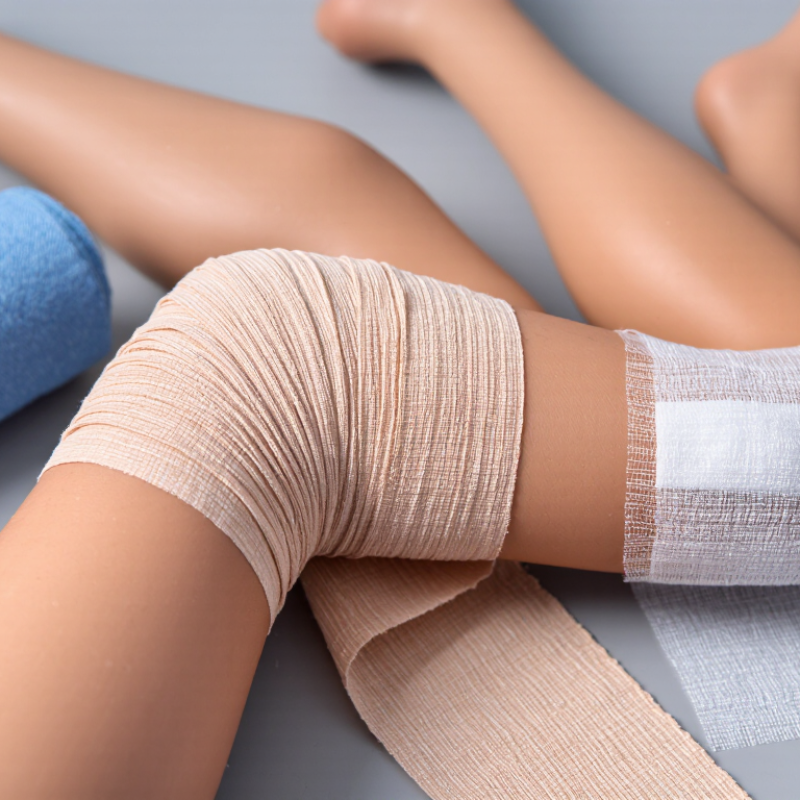
A suitable bandage for high-movement joints must move with the body, not fight it. The knee, elbow, and ankle repeatedly bend, stretch, and sweat during ordinary activity. WHO reports that musculoskeletal conditions affect about 1.71 billion people worldwide. The WHO Global Status Report on Physical Activity also estimated 1.8 billion adults lacked sufficient activity in 2022. These figures highlight the need for practical support during daily movement.
Look for a flexible fabric with controlled elasticity and rounded edges. It should stay secure when the joint bends, yet remove without excessive skin pulling. Breathable materials help reduce dampness under the dressing. A low-profile design also matters under clothing. For sensitive skin, check irritation and sensitization evidence, including testing aligned with ISO 10993 standards. Not every “waterproof” claim means comfortable wear.
In field use, I would test the bandage through ten squats, repeated elbow bends, and light sweating. It should remain flat, without rolling or cutting into the skin. Small details matter. However, no bandage suits every person. Hair, skin oils, swelling, and application pressure can change performance. Clinical guidance from wound-care organizations supports regular skin checks, especially when adhesive products remain in place for extended periods. Stop using it if pain, numbness, rash, or increasing swelling appears.
| Bandage Type | Best Use on a High-Movement Joint | Typical Stretch or Flexibility | Movement Compatibility | Moisture and Sweat Performance | Skin and Wound Protection | Application Notes | Main Limitations | Overall Suitability |
|---|---|---|---|---|---|---|---|---|
| Cohesive Elastic Wrap | Light compression, support, and securing a primary dressing around knees, elbows, ankles, or wrists. | Usually highly elastic; many products provide approximately 50% to 100% stretch, depending on construction. | Excellent; conforms well when the joint bends and does not require adhesive on the skin. | Generally breathable, but prolonged saturation can reduce grip and support. | Does not cover a wound by itself; use over a sterile dressing when wound protection is required. | Apply with even, comfortable tension and overlap each layer by about half the bandage width. | Too much tension may restrict circulation; it can loosen during heavy sweating or repeated friction. | |
| Elastic Adhesive Bandage | Moderate support and dressing retention where longer-lasting skin adhesion is needed. | Moderate stretch; the exact range varies considerably by material and product design. | Very good when correctly fitted, especially over areas that repeatedly flex. | Adhesive performance may decline with sweat, oils, lotions, or frequent water exposure. | Can secure a wound dressing, but adhesive may irritate sensitive or fragile skin. | Apply without excessive tension and avoid wrapping directly over an unprotected open wound. | May cause skin irritation or adhesive sensitivity and can be harder to remove comfortably. | |
| Kinesiology Tape | Movement-friendly support or proprioceptive cueing when full immobilization is not desired. | Commonly designed to stretch longitudinally; application tension is often light to moderate and should follow product instructions. | Excellent for maintaining range of motion because it is thin and flexible. | Water-resistant versions may tolerate short-term exposure, but sweat and repeated rubbing can shorten wear time. | Not a sterile wound dressing and should not be placed over open, infected, or heavily draining wounds. | Clean, dry skin is essential; round tape corners to help reduce edge lift. | Provides limited compression and may not stay attached during intense activity or on hairy, oily, or irritated skin. | |
| Rigid Athletic Tape | Short-term joint support and restriction of unwanted movement during sports or rehabilitation. | Minimal longitudinal stretch compared with elastic products. | Good for controlled support but less comfortable when a joint needs unrestricted bending. | Usually performs well when applied to dry skin, although perspiration can affect adhesion. | Not intended to cover wounds; use a suitable dressing underneath if needed. | Often applied over protective underwrap and should be removed after the activity or according to clinical guidance. | Can restrict circulation, irritate skin, or limit normal movement if applied too tightly. | |
| Hydrocolloid Dressing | Protection of small, shallow blisters or low-drainage abrasions located near a moving joint. | Low stretch, but the gel-forming dressing can flex with the skin when correctly sized. | Good for light-to-moderate movement when applied to clean, dry skin with adequate edge margin. | Water-resistant after the adhesive seal forms; excessive moisture can cause edge lifting. | Provides a moist healing environment and protects against friction for suitable superficial wounds. | Choose a size that extends beyond the wound and warm the edges with the hand after application. | Not appropriate for heavily infected, heavily draining, deep, or clinically complex wounds without professional advice. | |
| Flexible Film Dressing | Covering and protecting minor superficial wounds where visibility and water resistance are useful. | Thin and conformable, with limited structural support. | Very good for ordinary joint motion when the skin is intact around the wound. | Usually water-resistant and breathable to varying degrees; edges may lift with heavy sweat or friction. | Creates a protective barrier over a suitable dressing or minor superficial wound. | Apply to dry skin without stretching the film; smooth from the center outward. | Offers almost no compression or mechanical joint support and may tear under high friction. | |
| Gauze Roll with Elastic Net Retainer | Holding gauze or a primary dressing in place on irregular, highly mobile areas. | The retainer is flexible, while the gauze itself has little elastic recovery. | Good for dressing retention, but less suitable when compression or strong support is required. | Gauze can absorb moisture; damp material should be replaced to help protect the skin. | Useful with an appropriate sterile primary dressing; the retainer itself is not necessarily sterile. | Select the correct size so it holds securely without constricting the limb. | May bunch, shift, or absorb sweat during vigorous activity; provides limited water resistance. | |
| Compression Bandage | Controlled compression for selected swelling or venous conditions when advised by a qualified clinician. | Elasticity varies; short-stretch and long-stretch systems behave differently under movement. | Good when professionally fitted, but suitability depends on circulation, diagnosis, and pressure level. | Can become uncomfortable when wet; breathable materials are preferable for extended wear. | Normally used over a suitable wound dressing rather than as the primary wound covering. | Pressure should be even, and toes or fingers should be checked for color, temperature, sensation, and swelling. | Incorrect pressure can worsen pain or circulation problems; not a general-purpose sports wrap. |
It should move with the knee, elbow, wrist, or ankle. Flexible fabric, controlled stretch, and rounded edges help.
Try ten squats, repeated elbow bends, or a short walk. It should remain flat without rolling or cutting into skin.
Breathable materials reduce dampness. Soft edges, gentle adhesive, and a low-profile shape may also reduce rubbing.
A figure-eight elastic wrap can support turning movements. Your toes should remain warm and normally colored.
Wider elastic panels and adjustable straps can support repeated bending. The material should not dig into the back of your knee.
It should support the wrist while allowing finger movement. A thumb-supported design may limit painful motion more precisely.
Remove it if you notice numbness, tingling, cold skin, pale color, or increasing swelling. Do not ignore these signs.
Check the skin regularly, especially during extended wear. Look for redness, rash, pressure marks, or new pain.
No. Excessive support can restrict normal movement and cause stiffness. Lighter support may be a better starting point.
Seek advice after serious injury, deformity, persistent pain, or continuing swelling. Even careful fitting can miss a deeper problem.
Choosing the right bandage for high-movement joints in 2026 requires a balance of support, flexibility, comfort, and durability. The best options for knees, elbows, wrists, and ankles should stabilize the joint without restricting natural movement. Elastic compression bandages, adjustable wraps, breathable sleeves, and reinforced support designs can each serve different needs, depending on the level of activity, injury prevention goals, and daily comfort requirements. Which bandage is best for high-movement joints depends on the joint involved, the required compression, and how much freedom of movement the user needs.
When comparing products, look for secure fastening, moisture control, soft materials, reliable elasticity, and construction that can withstand repeated use. A knee or ankle may need stronger stabilization, while a wrist or elbow may benefit from lighter, more flexible support. The bandage should fit firmly but never cause numbness, pain, or restricted circulation. Proper sizing, correct placement, and regular checks during use are essential for safe and effective joint support.

 NuCure Medical