When it comes to caring for sensitive skin, choosing the right bandage is crucial. Dr. Emily Carter, a leading dermatologist, emphasizes, “The best bandage for sensitive skin should be gentle yet effective.” Understanding what is the best bandage for sensitive skin can significantly impact healing and comfort.
Sensitive skin reacts easily to various products. Therefore, selecting a bandage that minimizes irritation is vital. Bandages that use hypoallergenic materials can be more suitable for those susceptible to reactions. It's essential to test any new bandage on a small area before use. Not every bandage will work for everyone, which requires some trial and error.
Moreover, the right bandage can speed up recovery. Features like breathable fabrics can prevent moisture build-up, which often exacerbates skin issues. It’s a balancing act between protection and skin comfort. By understanding your skin’s unique needs, you can better answer the question: what is the best bandage for sensitive skin? This choice can enhance both healing and comfort, making a notable difference in daily activities.
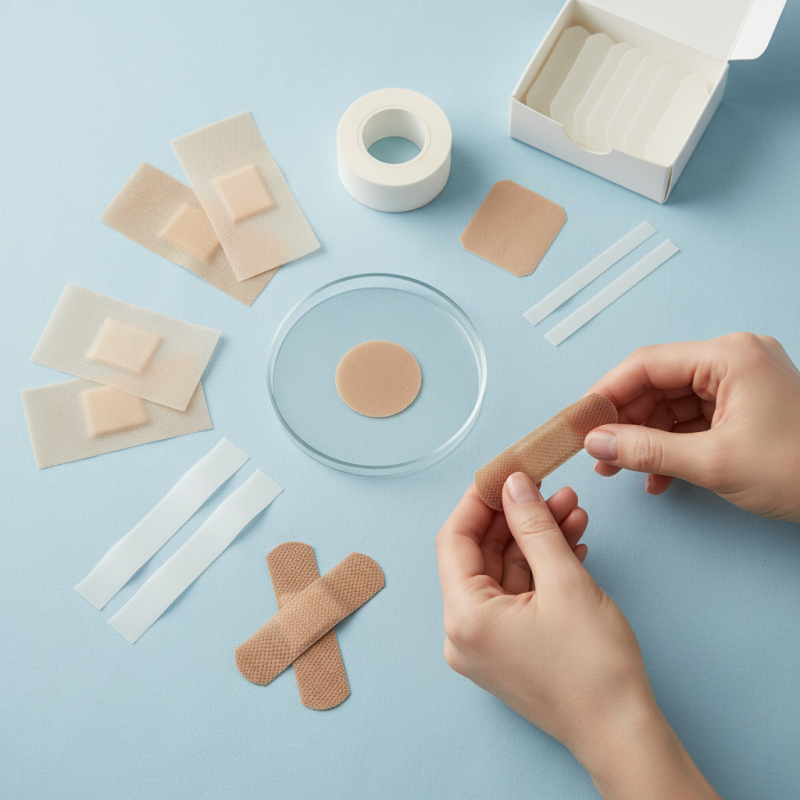
Sensitive skin is a prevalent concern affecting nearly 50% of individuals. This condition manifests as redness, itching, and irritation, often due to environmental factors or underlying skin conditions. According to a recent survey, 70% of people with sensitive skin reported reactions to common products. The skin barrier is compromised, making it less able to fend off irritants. It’s crucial to understand these characteristics to avoid exacerbating the issue.
Tips for caring for sensitive skin include patch testing new products before full application. Also, opt for fragrance-free and hypoallergenic items. Using products with soothing ingredients like aloe and chamomile can be beneficial. Additionally, try to avoid extreme temperatures, as they can aggravate sensitivity.
People often overlook their skin type during daily routines. Many assume all bandages or creams are suitable for sensitive skin. However, this can lead to discomfort or allergic reactions. It’s essential to read labels and choose options specifically designed for sensitive skin. Understanding your skin's needs can reduce irritation and improve overall comfort.
When selecting bandages for sensitive skin, consider the material. Non-woven fabric is gentle and breathable. It minimizes irritation while protecting wounds effectively. Avoid adhesive bandages containing harsh chemicals. Instead, opt for hypoallergenic options. These are designed to reduce allergic reactions. The right material can mean the difference between comfort and pain.
Tips: Always test the bandage on a small skin patch first. This way, you can check for allergic reactions. If redness appears, consider a different type. Also, choose bandages that allow airflow. This promotes healing while preventing moisture buildup.
Silicone bandages are another great option. They adhere gently and do not pull on the skin. This minimizes discomfort when changing dressings. When dealing with sensitive areas, prioritize soft, flexible materials. A little care in choosing the right bandage can lead to better recovery. However, every individual's skin may react differently. Pay attention to your body’s signals to find what best suits your needs.
Sensitive skin requires special care when it comes to wound management. Choosing the right bandage can make a significant difference. Many people experience irritation from standard products. It’s essential to find options that prioritize comfort without sacrificing protection.
When looking for suitable bandages, consider materials designed for sensitive skin. Non-adhesive bandages can reduce irritation. Look for breathable options that allow moisture to escape. This keeps the skin dry and promotes healing. Some products feature hypoallergenic adhesives, which minimize allergic reactions.
Even with careful choices, not every bandage will work perfectly for everyone. Test different types to see which ones suit your needs best. Be mindful of how your skin reacts over time. Tracking any discomfort is vital. Many users report that their preferences change as their skin sensitivity evolves. Ultimately, finding the right bandage might take time and effort, but it’s worth it for your skin health.
When applying bandages on sensitive skin, the right technique can significantly reduce irritation. Skin sensitivity affects roughly 60% of adults, making proper application crucial. Clean the area gently but thoroughly. Avoid harsh soaps or scrubs that can worsen irritation. Instead, use mild cleansers devoid of fragrances. Dry the skin completely before applying the bandage. Moisture trapped beneath can cause discomfort.
Choosing the right bandage is essential. It should be hypoallergenic and breathable. Adhesives should cause minimal discomfort while providing a strong hold. According to a recent survey, 35% of individuals experience discomfort due to adhesive reactions. If irritation occurs, consider switching to a different type of bandage. Some people find silicone-based options less irritating. These products are often gentler on delicate skin.
Another critical factor is the fit of the bandage. A tight bandage can lead to chafing and increased sensitivity. Ensure the bandage covers the wound without overlapping on healthy skin excessively. Regular monitoring is necessary to identify any signs of reaction early. If redness or swelling appears, remove the bandage immediately. The aim is to promote healing while minimizing discomfort.
This chart displays the effectiveness of different types of bandages on sensitive skin based on user ratings.
When caring for sensitive skin, selecting the right bandages is crucial for effective healing. Many people overlook how essential a bandage's material and design are to the recovery process. A soft, breathable fabric helps keep the skin comfortable. This minimizes irritation and allows for faster healing. You may need to try different types to find what works best for you.
After applying a bandage, pay attention to the area. It’s important to keep the wound clean and dry. Change the bandage regularly to avoid moisture buildup, which can lead to infection. Monitor for any signs of redness or swelling, as these might indicate sensitivity or an allergic reaction. Ignoring these signs can result in more serious issues.
Additionally, consider your lifestyle when choosing a bandage. If you're active, look for options that stay secure during movement. Always listen to your body and adjust your choices based on comfort. It’s okay to seek guidance from a healthcare professional if you feel uncertain. Remember, everyone's skin reacts differently, and what works for one person might not work for another.
: Sensitive skin often shows redness, itching, and irritation. It affects nearly 50% of people.
About 70% of individuals with sensitive skin report reactions to common products used daily.
Patch test new products. Use fragrance-free, hypoallergenic items. Look for soothing ingredients like aloe.
Clean the area gently. Use mild cleansers and dry the skin completely before applying the bandage.
Select hypoallergenic, breathable bandages. Avoid tight options that can cause chafing or discomfort.
Keep the wound clean and dry. Change bandages regularly to prevent moisture buildup and infection.
If irritation occurs, switch to a different bandage type. Silicone-based options may be gentler on sensitive skin.
Regular checks can help identify signs of reaction early, reducing the risk of serious issues.
Yes, consider your activities. Choose bandages that stay secure during movement for comfort.
Seek guidance from a healthcare professional. Everyone's skin is different, and expert advice can be helpful.
When it comes to caring for sensitive skin, choosing the right bandage is crucial for preventing irritation and promoting healing. Understanding sensitive skin involves recognizing its characteristics, such as increased reactivity and the likelihood of allergic reactions. Different types of bandages, including those made from hypoallergenic materials, can significantly impact comfort and healing. Therefore, one might wonder, "What is the best bandage for sensitive skin?"
A comprehensive review of top recommended bandages highlights options designed specifically to cater to sensitive skin, focusing on materials that reduce friction and enhance breathability. Applying these bandages with care and utilizing aftercare techniques will further minimize irritation, ensuring a better healing process. Ultimately, being informed about suitable options can empower individuals to make better choices for their sensitive skin needs.
NuCure Medical