When treating injuries, choosing the right bandage is crucial. Many people wonder, "What is the difference between cohesive and adhesive bandages?" Understanding this distinction can lead to better care and faster healing.
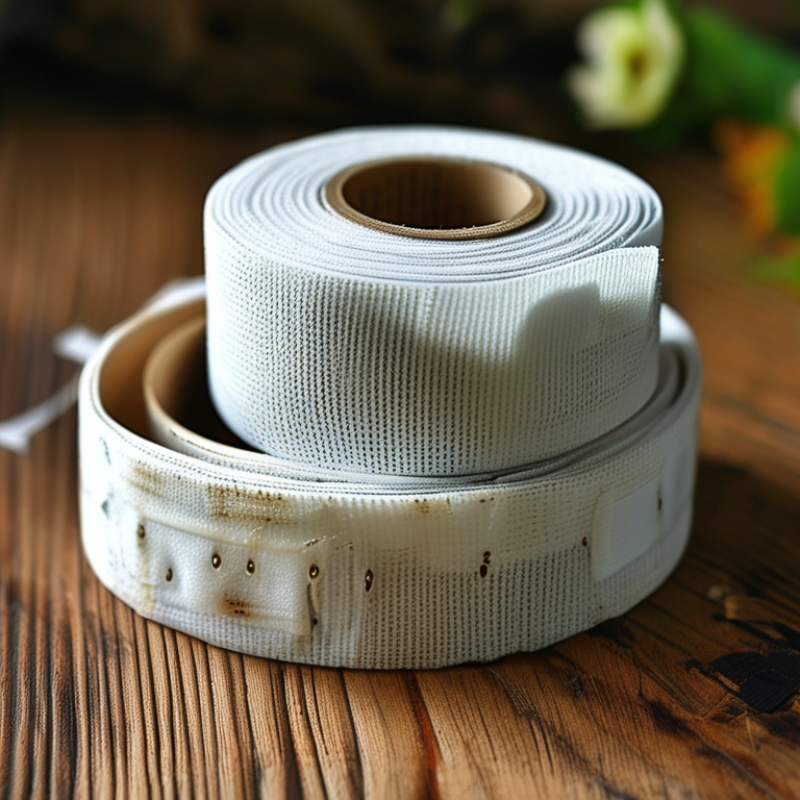
Cohesive bandages stick to themselves but not to the skin. This feature makes them ideal for securing dressings without causing irritation. They provide flexible support, allowing for movement. In contrast, adhesive bandages stick directly to the skin. They are great for covering small cuts and abrasions, ensuring a snug fit.
Both types have their strengths. Cohesive bandages are reusable and avoid skin damage. Adhesive options may offer better immediate coverage. It's essential to consider your specific needs. Reflect on what you seek in a bandage for optimal results. Each choice carries its pros and cons, warranting careful thought.
China's Market Overview for Cohesive and Adhesive Bandages
China's market for cohesive and adhesive bandages is diverse and competitive, with many options available.
Cohesive bandages, known for their self-adhering capabilities, are great for securing dressings without sticking to the skin. This makes them a popular choice for athletes and those with sensitive skin.
On the other hand, adhesive bandages provide a strong bond, ensuring dressings stay in place during activities. Understanding the needs of the user is essential for selecting the right product.
Market research indicates a growing demand for both types. Many consumers appreciate the flexibility of cohesive bandages, especially in sports medicine. However, adhesive options are favored in clinical settings for their reliability.
It’s important to consider factors such as material, intended use, and ease of application. Some users find it challenging to decide between the two, leading to confusion. Additionally, preferences can vary greatly due to personal experiences and comfort levels.
Balancing these aspects can be crucial for effective healing and comfort.
Key Differences Between Cohesive and Adhesive Bandages
When considering bandages, cohesive and adhesive types stand out. Cohesive bandages stick to themselves but not to skin or hair. This quality makes them easy to apply and remove. They are often used for holding dressings in place or providing support to joints. For instance, a cohesive bandage can be wrapped around an ankle for stability, allowing for movement without discomfort.
Adhesive bandages, on the other hand, stick firmly to the skin. They are excellent for covering wounds directly, protecting them from dirt and bacteria. However, removal can be painful, especially if hair is present. Some might find them irritating over time. Individuals should weigh the pros and cons based on their needs. Consider your skin type and the wound's location; a rough surface might not be ideal for adhesive use.
Both bandage types have their uses. An important factor is personal comfort. Cohesive bandages can provide flexibility during activities. Adhesive bandages offer more protection but might cause some skin irritation. Experimentation may be necessary to determine the best choice for individual situations. It's crucial to listen to your body’s response to each type.
Comparison of Cohesive and Adhesive Bandages
This chart compares the comfort, skin sensitivity, reusability, durability, and water resistance of cohesive and adhesive bandages. On a scale from 1 to 10, cohesive bandages score higher in comfort and skin sensitivity, while adhesive bandages are noted for their durability.
Advantages of Cohesive Bandages in Sports and Medical Use
Cohesive bandages are gaining popularity in both sports and medical settings. Their unique properties make them ideal for various applications. These bandages stick to themselves and not to the skin, reducing pain during removal. This feature is especially beneficial for athletes who might need frequent adjustments.
In sports, cohesive bandages provide support without restricting movement. They offer compression for injured muscles or joints. The self-adhesive nature means they stay in place even during intense activities. Athletes often prefer them for sprains or strains, as they can be easily applied and adjusted. The breathable material helps keep skin healthy and reduces irritation.
In medical scenarios, cohesive bandages facilitate wound management. They can protect dressings while allowing for some flexibility. It is important for caregivers to ensure the bandage is applied correctly. Sometimes, users may find that cohesion varies based on thickness or material. This inconsistency can lead to challenges. Attention to detail in application will improve effectiveness greatly.
China Best Cohesive vs Adhesive Bandages Which One to Choose? - Advantages of Cohesive Bandages in Sports and Medical Use
| Type |
Material |
Elasticity |
Adhesive Properties |
Use Cases |
Advantages |
| Cohesive Bandage |
Polyester/Cotton Blend |
High Elasticity |
No adhesive; sticks to itself |
Sports injuries, wound dressing |
Easy to apply and remove, stays secure during movement |
| Adhesive Bandage |
Fabric/Plastic |
Variable Elasticity |
Strong adhesive |
Minor cuts, scrapes |
Good for securing dressings, waterproof options available |
Adhesive Bandages: Best Practices and Applications in Wound Care
Adhesive bandages are essential in wound care. They provide quick protection against dirt and bacteria. Choosing the right bandage can impact healing. The perfect bandage will stay in place but also allow the skin to breathe. It is important to select bandages that fit the wound's size and type.
Application is crucial. Clean the wound thoroughly before applying a bandage. This minimizes the risk of infection. Ensure the adhesive side sticks well without causing irritation. Sometimes, bandages can peel off too soon, exposing the wound. Reassessing the situation can help in learning what works best.
In wound care, not every bandage will be perfect. Factors like skin type and moisture levels can affect adhesion.
A bandage that works for one person may not work for another. It's important to reflect on experiences and adjust choices as needed. Over time, understanding these nuances can lead to better care for wounds.
Consumer Preferences and Trends in Bandage Selection in China
When it comes to selecting bandages in China, consumer preferences are evolving. More people are considering specific features.
Cohesive bandages offer flexibility and easy application. They adhere to themselves but not to skin, making them user-friendly. This option appeals to those seeking comfort and less irritation.
On the other hand, adhesive bandages are traditional but still popular.
They provide a strong hold and can withstand water. Many consumers prefer them for more serious injuries. However, some find them less breathable. This can lead to skin irritation over time. Awareness of these attributes is crucial for making informed decisions.
Trends suggest consumers are leaning towards convenience and versatility. Factors like ease of use and comfort influence their choices. Education about different bandage types may help consumers reflect on their needs better. Not all options will suit everyone, creating room for personal preference. Understanding these details can lead to better choices in bandage selection.
Conclusion
The article explores the market for cohesive and adhesive bandages in China, emphasizing the key differences between the two types. Cohesive bandages, which stick to themselves rather than the skin, are particularly advantageous in sports and medical settings due to their flexibility and ease of use. On the other hand, adhesive bandages offer effective wound protection and are more commonly used in wound care.
What is the difference between cohesive and adhesive bandages? The main distinction lies in their adherence properties; cohesive bandages are designed to adhere to themselves, while adhesive bandages stick to the skin. Additionally, the article highlights consumer preferences, revealing trends in bandage selection, as individuals increasingly value comfort, versatility, and ease of application when choosing between these two types.

 NuCure Medical