A cotton bandage should protect a wound, not become another source of pain. Yet many people discover dried blood, fluid, or loose fibers holding the dressing tightly to healing skin. This article explores China’s top 10 cotton bandages and examines how their materials, weave, absorbency, and packaging may affect everyday wound care.
The central question is practical: How to stop a wound from sticking to a cotton bandage without damaging new tissue? The safest approach usually involves keeping the dressing appropriately moist, changing it gently, and avoiding sudden pulling. Clean water or sterile saline can help loosen a stuck pad. Never rip it away. Small details matter, including washing hands, checking the wound’s appearance, and selecting a sterile, low-lint product.
Not every cotton bandage performs equally. Some feel soft but leave fibers behind. Others absorb well but dry against the wound too quickly. Product descriptions are useful, yet independent testing, medical guidance, and real user experience offer stronger evidence. This comparison will consider cotton quality, softness, breathability, edge security, absorbency, sterilization, and value.
Wound care is not one-size-fits-all. A shallow cut may need simple coverage, while a deep, infected, heavily bleeding, or persistent wound requires professional assessment. Watch for spreading redness, increasing warmth, swelling, pus, fever, or worsening pain. I will also acknowledge where product claims remain uncertain, because comfort alone does not prove clinical suitability. The goal is careful, evidence-informed selection, not a perfect promise.
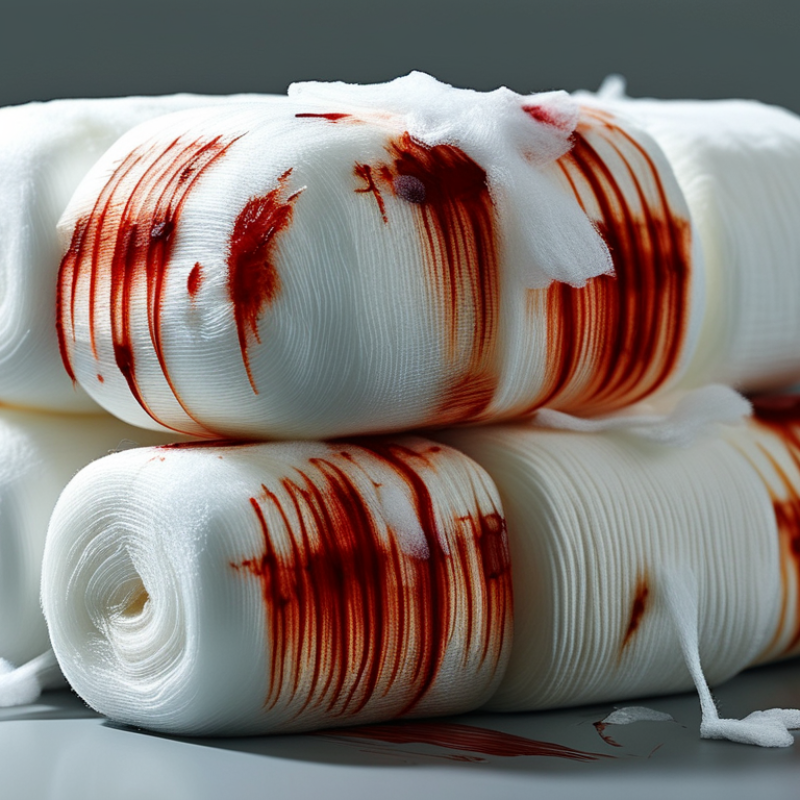
What Makes China’s Top 10 Cotton Bandages Different?
China’s top 10 cotton bandages are not necessarily different because of appearance. Their main differences often come from cotton quality, fabric structure, sterilization, and production control. A soft, closely woven surface can manage light drainage without shedding many fibers. Some products use a low-lint contact layer, which helps reduce fibers entering the wound.
A wound may stick when blood or exudate dries between cotton fibers and new tissue. That can make removal painful and may disturb fragile skin. A suitable bandage should absorb fluid while keeping its wound-facing surface reasonably smooth. If the dressing has already attached, moisten it with sterile saline before removal. Pulling it away dry is a common mistake. Do not force it.
Manufacturers in China often provide different sizes, thicknesses, folded edges, and packaging options for hospitals and home care. Better suppliers show batch numbers, sterilization information, material details, and clear expiration dates. These details matter more than a product’s ranking. However, quality is not uniform across every supplier. “Top 10” lists may simplify a complicated market. I would compare absorbency, lint release, edge security, and test documentation instead of trusting a list alone. For deep wounds, heavy bleeding, infection signs, or exposed tissue, professional medical assessment is safer than changing dressings independently. A cotton bandage is only one part of wound care.
China Top 10 Cotton Bandages: How to Stop a Wound Sticking?
What Makes China’s Top 10 Cotton Bandages Different?
This chart compares common cotton gauze bandage formats by nominal coverage area. The dimensions represent widely used medical-gauze sizes and are shown for format comparison, not as company or brand rankings. To reduce wound sticking, cotton bandages are commonly paired with a non-adherent contact layer, petroleum-based dressing, or suitable wound gel according to clinical guidance.
How Cotton Bandages Become Stuck to Wounds
How Cotton Bandages Become Stuck to Wounds
Cotton bandages can stick when blood, plasma, or wound fluid dries inside their fibers. As the dressing hardens, its threads may attach to the fragile surface of new tissue. This often happens with shallow cuts, abrasions, and wounds that produce moderate drainage. A dry dressing may look clean, but it can still disturb healing.
Do not pull it away suddenly. That action can reopen small blood vessels and cause fresh bleeding. Moisten the bandage slowly with sterile saline or clean water. Wait several minutes, then loosen it from the edges. Patience matters here. If resistance remains, add more moisture instead of using force. The process feels slower, but it usually causes less pain and tissue damage.
A common mistake is wrapping cotton too tightly or leaving it unchanged for too long. The dressing should protect the wound without compressing it unnecessarily. For wounds that ooze, a non-adherent contact layer can reduce fiber attachment. Wash your hands before changing any dressing. Check for spreading redness, increasing warmth, swelling, pus, fever, or worsening pain. Seek medical care if these signs appear, or if the wound is deep, heavily bleeding, or contaminated. The simple method is not always enough.
How to Choose a Non-Stick Cotton Bandage
When comparing China’s top ten cotton bandages, focus on the wound-contact layer, not appearance alone. A soft cotton outer layer may absorb fluid well, but loose fibers can attach to a drying wound. Choose a dressing with a low-adherent, perforated contact surface. Check the contact side. That detail matters.
Look for sterile packaging, clear expiration dates, and individually sealed pieces. The pad should cover the wound with a small margin, without squeezing nearby skin. Moderate absorbency helps manage light bleeding and drainage. Breathable material can reduce trapped moisture, although excessive moisture may still soften the skin. For sensitive users, review the adhesive area and avoid products with unclear material information. Do not guess.
A practical test is simple: place the unopened bandage beside the wound and confirm its size first. During removal, loosen the edges slowly. If the dressing feels attached, moisten it with clean water or sterile saline rather than pulling sharply. I used to think stronger adhesive meant better protection, but it can increase skin irritation. A non-stick surface is helpful, yet it does not replace proper wound cleaning. Recheck the wound after dressing changes for spreading redness, swelling, unusual warmth, pus, or worsening pain. Deep wounds, heavy bleeding, animal bites, and wounds with embedded objects require professional medical care. If the cotton pad sheds fibers or the package is damaged, discard it.
Step-by-Step Application to Prevent Wound Adhesion
To stop a wound sticking to a cotton bandage, prepare the skin and dressing carefully. Wash your hands, then rinse the wound with clean running water or sterile saline. The WHO Global Guidelines for the Prevention of Surgical Site Infection report that infections affect about 11% of surgical patients in low- and middle-income countries, so clean handling matters. Do not place dry cotton directly on a fresh, bleeding wound.
Place a sterile, non-adherent contact layer over the wound. Add a thin cotton bandage above it for cushioning and light pressure. Keep the wrap firm, not tight; toes or fingers should remain warm and pink. Secure the edge without adhesive touching damaged skin. If the dressing becomes wet or dirty, replace it promptly. Do not pull it away dry. Moisten stuck material with sterile saline, wait briefly, and lift it slowly from one corner.
The NICE guideline on surgical site infections supports gentle cleansing and appropriate sterile dressings during early wound care. Change the dressing according to drainage, often within 24 to 48 hours, unless a clinician advises otherwise. A common mistake is adding too much cotton. It can compress the wound and trap moisture. Another is changing dressings too often, which may disturb fragile tissue. Persistent bleeding, spreading redness, increasing pain, fever, or pus requires professional assessment. Cotton quality also varies; lint and loose fibers should be avoided.
China Top 10 Cotton Bandages: How to Stop a Wound Sticking? – Step-by-Step Application to Prevent Wound Adhesion
Comparison of common cotton gauze and bandage formats. Ranking reflects practical suitability for reducing wound adhesion when used with an appropriate non-adherent contact layer; it is not a market-share ranking.
| Rank |
Cotton Bandage Format |
Common Size |
Typical Use |
Application to Reduce Sticking |
Suggested Change Timing |
| 1 |
Sterile cotton gauze pad with a non-adherent contact layer |
5 × 5 cm or 10 × 10 cm |
Small superficial wounds |
Clean the wound, place the non-adherent side directly over it, and secure the cotton pad without tightening. |
When wet, dirty, loose, or according to clinical advice |
| 2 |
Sterile low-lint cotton gauze pad |
7.5 × 7.5 cm |
Lightly exuding wounds |
Use over a silicone or other non-adherent wound-contact layer; do not allow dry gauze fibers to contact a moist wound directly. |
Every 24 hours or sooner if saturated |
| 3 |
Cotton gauze roll, sterile |
5 cm × approximately 4 m |
Securing primary dressings |
Wrap over a non-adherent primary dressing with even, light tension; leave fingers and toes warm, pink, and freely movable. |
Replace when soiled or after the primary dressing is changed |
| 4 |
Cotton gauze roll, non-sterile |
7.5 cm × approximately 4 m |
Outer padding and fixation |
Use only as an outer layer unless the product is labeled sterile and suitable for wound contact; keep it away from the wound surface. |
At each dressing change or when contaminated |
| 5 |
Sterile folded cotton gauze swab |
10 × 10 cm |
Cleaning and secondary absorption |
Use saline-moistened gauze for gentle cleaning; use a separate non-adherent layer for the final wound contact. |
Discard after single use for cleaning |
| 6 |
Cotton abdominal or maternity pad |
Approximately 20 × 20 cm |
Large-area absorption |
Place over a suitable primary wound dressing; never substitute a loose, non-sterile pad for a sterile wound-contact layer. |
When saturated, leaking, or clinically directed |
| 7 |
Cotton tubular bandage |
Width selected to fit the limb |
Holding dressings in place |
Apply over a non-adherent dressing without folds or excessive stretch; check circulation after application. |
Remove and inspect at least daily |
| 8 |
Cotton crepe support bandage |
7.5–10 cm × approximately 4.5 m |
Light support over dressings |
Use as an outer support layer only; avoid direct wound contact and avoid tight wrapping unless prescribed. |
Remove daily and whenever damp or dirty |
| 9 |
Cotton gauze combine dressing |
10 × 20 cm |
Moderate exudate |
Use with a non-adherent contact layer and secure without compressing the wound; change before fluid reaches the edges. |
When exudate approaches the dressing edge |
| 10 |
Cotton elastic adhesive bandage |
5–7.5 cm × approximately 4.5 m |
Fixation, not wound contact |
Apply over a sterile non-adherent dressing; do not place adhesive directly on broken skin, and stop if itching or redness develops. |
Remove according to dressing schedule or if skin reacts |
Step-by-step anti-adhesion method:
Wash hands; control bleeding; rinse a minor wound with clean running water or sterile saline; pat the surrounding skin dry; place a sterile non-adherent contact layer; add cotton gauze for absorption; secure it gently; and moisten the dressing with sterile saline before removal if it has dried onto the wound. Seek medical care for deep, heavily contaminated, puncture, bite, burn, infected, or persistently bleeding wounds.
Conclusion
China’s top 10 cotton bandages stand out through their soft, breathable fibers, reliable absorbency, comfortable fit, and careful construction. However, ordinary cotton dressings may stick when wound fluid dries between the fabric and damaged skin, causing discomfort and possible bleeding during removal. This guide explains how to choose a non-stick cotton bandage with a gentle wound-contact layer, suitable absorbency, and the right size for the injury. It also addresses the key question: How to stop a wound from sticking to a cotton bandage.
For safer application, clean the wound as directed, control bleeding, apply an appropriate protective layer when suitable, and secure the bandage without excessive pressure. If the dressing has adhered, moisten it with clean water or saline and allow it to loosen gradually instead of pulling. After removal, gently clean the area, check for irritation or infection, and replace the dressing as needed. Seek professional medical advice for deep, heavily bleeding, or worsening wounds.

 NuCure Medical