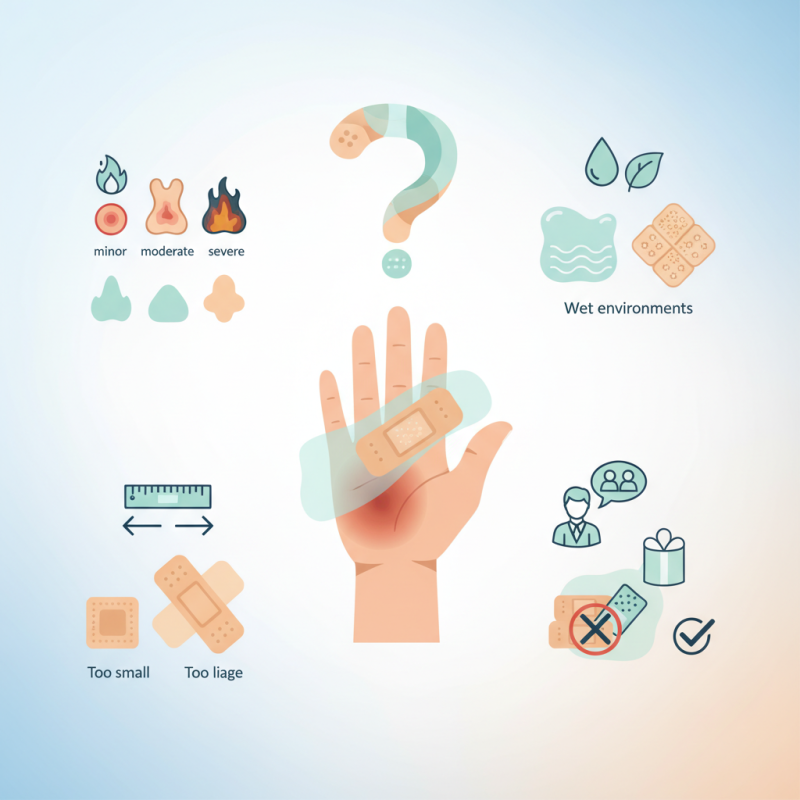
When it comes to treating burns, choosing the right bandage is crucial. The correct bandage can provide protection, promote healing, and reduce pain. Many people struggle with the question: how to choose the right bandage for a burn? Understanding the types of burns is essential. They can range from minor to severe, affecting how we should treat them.
Consider the different textures and materials of bandages. Some are designed for wet environments, while others offer more breathability. It’s important not to overlook the size. A bandage that is too small may not cover the entire area. On the other hand, a much larger bandage can lead to unnecessary discomfort.
Misinformation often complicates the selection process. Many believe that any bandage can suffice for burn treatment. In reality, inappropriate choices can lead to infections and prolonged recovery times. Reflecting on personal experiences can guide better decisions. Consulting medical professionals ensures the right path is taken in the healing process. Remember, your choice matters significantly!
Understanding Different Types of Bandages for Burn Treatment
When treating burns, choosing the right bandage is crucial for healing. Different burns require specific bandages. For example, minor burns benefit from hydrogel bandages, which provide moisture and cooling. A study by the World Health Organization states that proper wound care can reduce healing time by up to 40%.
Tips: Always clean the burn before applying any bandage. This step prevents infection and promotes better recovery.
For deeper burns, consider using a non-adherent dressing. These bandages allow for easy removal without damaging the healing tissue. Data shows that using the right dressings can significantly reduce pain levels for patients.
Tips: Change bandages regularly to monitor for any signs of infection. Look for increased redness or swelling. This vigilance is vital to avoid complications.
Choosing the Best Bandage for Treating Burns
Factors to Consider When Selecting a Bandage for Burns
When treating burns, selecting the right bandage is essential. Various factors can impact wound healing. One crucial aspect is the burn's severity. For minor burns, a breathable and non-stick bandage works well. It protects the wound while allowing air circulation. For more severe burns, specialized dressings may be needed to manage moisture and prevent infection.
Another important factor is the size and location of the burn. A large or difficult-to-reach burn may require a bandage that provides extra coverage and security. Look for options that stay in place yet are easy to remove without causing pain. It's also vital to consider the bandage's absorbency. A burn can produce fluid, and too much can hinder healing.
Reflect on comfort, too. Bandages should not irritate the skin around the injury. If discomfort occurs, it may suggest the bandage isn't suitable. Choose a material that feels right for the specific area. Evaluate these choices thoughtfully to enhance the healing process.
Step-by-Step Guide to Applying Bandages on Burns
When treating burns, applying the right bandage is crucial for healing. Start by assessing the burn’s severity. Minor burns may only require a simple adhesive bandage. For larger or deeper burns, a sterile non-stick dressing is a better choice. Ensure that the bandage is clean and dry before application. This helps prevent infection and promotes healing.
Next, clean the burn gently with lukewarm water. Pat it dry with a clean towel. Carefully apply a thin layer of antibiotic ointment if recommended. This may help reduce the risk of infection. Place the bandage over the burn, ensuring it does not stick to the wound. Secure it in place with medical tape or by using an elastic bandage. Pay attention to how the burn affects mobility. A loose bandage can shift and irritate the area.
Regularly check the bandage for any signs of infection, like increased redness or swelling. Replace the bandage as needed, especially if it becomes wet or dirty. Remember, even small mistakes can hinder the healing process. It’s important to reflect on the treatment. If the burn worsens, seeking professional medical advice is always a wise decision.
How to Choose the Best Bandage for Treating Burns? - Step-by-Step Guide to Applying Bandages on Burns
| Burn Type |
Recommended Bandage Type |
Application Steps |
Healing Time |
| First-degree burn |
Hydrocolloid dressing |
1. Clean the area gently
2. Apply the dressing
3. Change every 3-5 days |
3-6 days |
| Second-degree burn |
Silver sulfadiazine cream and sterile dressings |
1. Clean the wound
2. Apply cream evenly
3. Cover with a sterile dressing
4. Change daily |
2-3 weeks |
| Third-degree burn |
Moist wound healing dressings |
1. Assess the severity
2. Cover with dressing
3. Seek medical attention for changes |
Several weeks to months, depending on the severity |
| Minor burn |
Non-adhesive, breathable bandages |
1. Clean the burn area
2. Place the bandage gently
3. Change as required |
1-2 weeks |
Importance of Hygiene and Sterilization in Burn Bandaging
When it comes to burn treatment, cleanliness is paramount. Proper hygiene and sterilization directly impact healing. A study indicated that around 35% of burn infections arise from inadequate wound care. This underlines the importance of using sterile bandages to prevent harmful bacteria from entering the wound.
Using clean tools during dressing changes is crucial. Wash your hands and use gloves to maintain a sterile environment. When applying a bandage, ensure it adheres properly without sticking to the wound. This minimizes trauma during dressing changes. Always dispose of used materials safely to avoid contamination.
Tips: Use a sterile saline solution for cleaning the burn. This helps remove debris without harming new tissue. If you notice increased redness or swelling, consult a healthcare professional immediately. Remember, a superficial cut can escalate if not treated with the necessary care.
Maintaining hygiene can significantly increase recovery rates and reduce complications in burn treatment.
Monitoring and Caring for Burns Under Bandages
When treating burns, monitoring the area under the bandage is crucial. Check the wound regularly for any signs of infection. Look for
increased redness, swelling, or unusual drainage. If the bandage feels warm, this could indicate an underlying issue. Keep your sense of touch in mind;
temperature changes may signal complications.
Consider the type of bandage used. A burn-specific dressing can promote healing while allowing moisture to escape. However, not all dressings are equal. Some may stick to the wound, causing pain during changes.
Always be prepared for this possibility and have a plan to manage discomfort.
Pay attention to pain levels as well. While burns are inherently painful, an increase could suggest a worsening condition. Don't hesitate to consult a healthcare professional for advice.
They can provide guidance on when to change the bandage or seek further treatment.
Monitoring burns requires patience and a proactive approach.
FAQS
: Look for size and depth. Minor burns need simple bandages. Deeper burns require sterile dressings.
Use adhesive bandages for minor burns. Larger burns need non-stick sterile dressings instead.
Gently wash the burn with lukewarm water. Then, pat it dry with a clean towel.
A thin layer of antibiotic ointment may help prevent infection, but it’s not always required.
Regularly check for signs of infection like redness or swelling. Replace bandages when needed.
Seek professional medical advice if the condition of the burn worsens. Reflect on your treatment.
Proper hygiene helps prevent infections, which can significantly delay healing.
Wash your hands and use gloves. Remember to dispose of materials safely after use.
Use a sterile saline solution to clean the area, removing debris gently and safely.
Yes, superficial cuts can escalate if not treated carefully. Always monitor them closely.
Conclusion
When considering how to choose the right bandage for a burn, it is essential to understand the various types of bandages available and their specific applications for burn treatment. Factors such as the size, depth, and severity of the burn, as well as the patient's individual needs, play a crucial role in selecting the most suitable bandage.
Applying bandages correctly involves a systematic approach that ensures proper coverage and protection of the affected area. Maintaining hygiene and sterilization is vital in preventing infections during the bandaging process. Finally, ongoing monitoring and care for the burns under the bandages are necessary to promote healing and to address any complications promptly. By following these guidelines, you can effectively manage burn injuries and provide proper care.

 NuCure Medical