How to Keep Bandages Clean in Dirt Prone Environments?

Time:2026-07-18 Author:Mason
0%

In environments where dirt and dust abound, keeping a bandage clean can be a challenge. Many people face issues when trying to maintain proper wound care in such settings. Knowing how to keep a bandage clean in a dirty environment is essential for effective healing.

Start by recognizing that dirt can increase infection risk. This can lead to complications that prolong recovery or worsen injuries. Utilize high-quality, water-resistant bandages whenever possible. These options can offer better protection against external contaminants. Regularly change bandages to avoid excess moisture buildup.

Additionally, consider the environment where you are working or playing. If possible, limit exposure and clean your hands before touching the bandage. Reflect on your methods and adjust as necessary. Remember, perfection is not the goal; consistent care is vital. The right practices can make a significant difference in your healing journey.
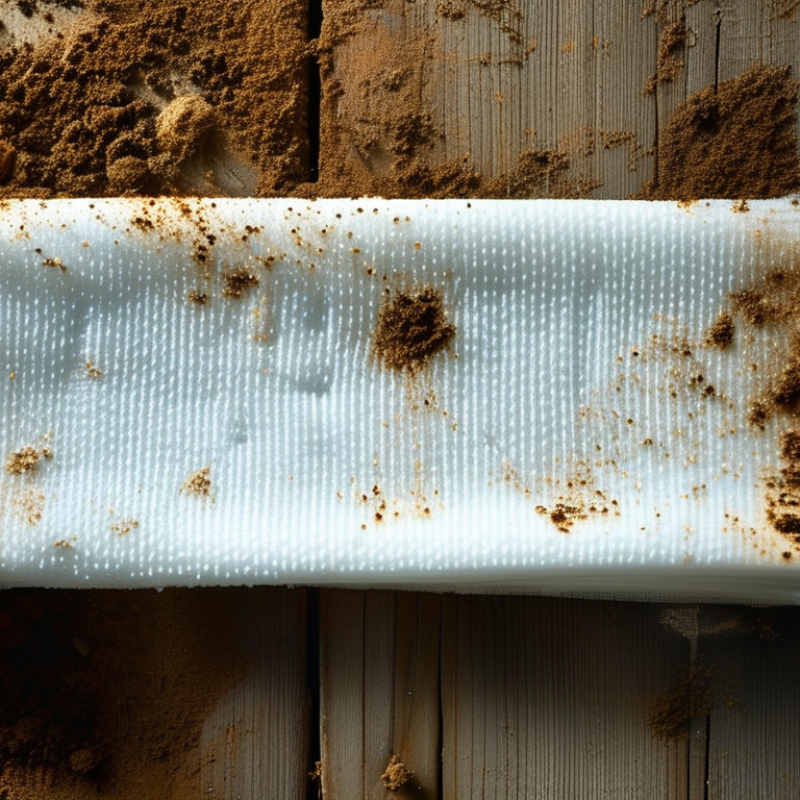
How to Keep Bandages Clean in Dirt Prone Environments?

Understanding the Importance of Keeping Bandages Clean

Keeping bandages clean is critical in environments filled with dirt and contaminants. Dirty bandages can lead to infections and slow down the healing process. Infections can complicate even minor wounds, making it essential to maintain cleanliness. Medical professionals emphasize the need for clean bandages, particularly when caring for wounds exposed to dirt.

Consider the specific environment. Working in agriculture or outdoor settings increases the risk of dirt getting into bandages. It's important to change bandages regularly, especially after exposure to grime. If a bandage looks dirty, it should be replaced immediately. Using breathable materials can help prevent moisture build-up, which also attracts dirt.

Despite best efforts, achieving perfect cleanliness may not be realistic in all scenarios. Reflect on your methods regularly. Are the steps you take sufficient? Is the area around the wound well cared for? Evaluate what works best for your situation. Recognizing limitations can guide better practices in wound care, ensuring better health outcomes.

How to Keep Bandages Clean in Dirt Prone Environments? - Understanding the Importance of Keeping Bandages Clean

Action Description Frequency Tips
Change Bandages Replace bandages regularly to prevent dirt accumulation. Every 24 hours or as needed. Use sterile gloves when changing.
Clean the Area Ensure the surrounding skin is clean and dry before applying a new bandage. Before each bandage change. Use a mild soap and water or antiseptic wipe.
Choose Waterproof Bandages Select bandages that are waterproof to help keep dirt out. As needed for wet environments. Look for breathable materials.
Store Bandages Properly Keep bandages in a clean, dry place to avoid contamination. Ongoing. Use a sealed plastic bag or container.
Monitor for Infection Check for signs of infection like redness, swelling, or discharge. During bandage changes. Seek medical advice if symptoms persist.

Choosing the Right Type of Bandage for Dirty Environments

Choosing the right type of bandage for dirty environments is crucial for effective wound care. Bandages designed for high-dirt exposure often feature waterproof materials and enhanced filtration. These qualities help protect against mud, sand, and other contaminants. They are especially useful for outdoor settings and workplaces with high dirt levels.

Consider using sterile gauze with a secure adhesive. This combination provides additional protection against dirt while staying breathable. Look for bandages with antimicrobial coatings. They can help reduce infection risks in unclean conditions. Evaluate your local environment to make better choices.

Regularly changing bandages is vital. Dirt can easily compromise the bandage’s integrity. Check for wear and contact with soil. If the bandage appears soiled or wet, it's time to replace it. Even the best bandages require upkeep. Reflect on your methods to ensure optimal protection for wounds in challenging conditions.

Preventive Measures to Minimize Dirt Exposure

In dirt-prone environments, keeping bandages clean is crucial. Exposure to dirt can lead to infections. Taking preventive measures can minimize the risk.

Start by covering the wound with a protective layer. Use a waterproof bandage to guard against moisture and dirt. Regularly check the bandage for any signs of wear or dirt accumulation. If it appears dirty, change it immediately.

Tips for keeping bandages clean:

  • Keep the wound dry. Moisture attracts dirt.
  • Use an extra layer, like gauze, for high-risk activities.
  • Always wash hands before touching the bandage.

Sometimes, despite our best efforts, dirt seeps in. In those moments, reassess the situation. Maybe a different type of bandage would work better in your environment. Learn from every experience to improve your approach.

Techniques for Securing Bandages to Avoid Contamination

When treating wounds in dirty environments, securing bandages effectively is crucial. Use adhesive strips to help keep your bandages in place. These strips provide stability and reduce the risk of the bandage shifting. However, ensure that the adhesive isn't too strong. It could irritate the skin when removed.

Consider using a secondary covering, like gauze. Gauze can be layered over the primary bandage. This adds an extra barrier against dirt and enhances protection. Changing the gauze regularly can help maintain cleanliness. Inhabitants of dirt-prone areas must remember to check their bandages frequently. A bandage can become contaminated quickly, requiring immediate attention.

Another technique involves using elastic wraps. They can secure the bandage tightly. Yet, it's vital not to wrap too tightly. This could cause circulation problems. Regularly assessing how the bandage feels is necessary for comfort and health. Adjust as needed to strike a balance between security and airflow. Even minor oversights can lead to serious complications.

Proper Cleaning and Replacement Protocols for Bandages

Proper cleaning and replacement of bandages is crucial in environments prone to dirt. A study by the American Journal of Infection Control shows that contaminated dressings can lead to infection rates exceeding 30%. Regularly changing bandages is essential to mitigate this risk. Ideally, bandages should be replaced every 24 to 48 hours. In cases of heavy dirt exposure, more frequent changes may be necessary.

When cleaning around a bandage, gently wipe the area with saline solution or mild soap. Avoid using harsh chemicals that can irritate the skin. Research indicates that maintaining a clean wound contributes significantly to healing. A clean environment helps prevent the introduction of pathogens. It is important to check for signs of infection, such as increased redness or discharge. If any arise, immediate medical consultation is necessary.

Being diligent with bandage care is an ongoing challenge in dirty environments. Outdoor activities or industrial tasks often increase exposure to contaminants. Awareness of the need for proper cleaning protocols is vital. Skipping regular maintenance can have serious consequences. A proactive approach and mindfulness can lead to better healing outcomes. Bandage care is more than wrapping a wound; it is an act of preserving health.

How to Keep Bandages Clean in Dirt-Prone Environments

FAQS

: Why is keeping bandages clean important?

: Clean bandages prevent infections and promote faster healing. Dirty bandages can complicate even minor wounds.

How often should bandages be changed in dirty environments?

Bandages should be changed regularly, especially after exposure to dirt. Replace them immediately if they look soiled.

What materials should be used for bandages in outdoor settings?

Use waterproof materials with enhanced filtration. Sterile gauze with secure adhesive is also a good option.

How can I secure bandages to avoid contamination?

Use adhesive strips to keep bandages in place. Consider adding a layer of gauze for extra protection.

What should I do if a bandage feels too tight?

If a bandage feels too tight, adjust it immediately. Comfort and airflow are important for health.

Are perfect cleanliness and technique achievable in all situations?

Achieving perfect cleanliness may not be realistic. Regularly reflect on your methods and assess what works best.

Conclusion

Keeping bandages clean in dirt-prone environments is crucial for preventing infections and promoting healing. To address the question of how to keep a bandage clean in a dirty environment, it is essential to choose the right type of bandage designed for rugged conditions. Additionally, taking preventive measures such as minimizing exposure to dirt and securing bandages properly will further reduce the risk of contamination.

Implementing proper cleaning and replacement protocols for bandages is also vital. Regularly assessing the condition of the bandage and replacing it when necessary can help maintain hygiene. By understanding these principles and techniques, individuals can effectively manage bandage care in challenging environments, ensuring that wounds remain protected and free from dirt-related complications.

Mason

Mason

Mason is a seasoned marketing professional with a deep expertise in the company's offerings and a passion for driving brand awareness. With a strong background in digital marketing strategies, he has an innate ability to connect with diverse audiences and effectively communicate product benefits.......