How to Prevent Wounds from Sticking to Cotton Bandages?

Time:2026-05-16 Author:Aria
0%

When dealing with wounds, proper care is crucial. One common issue many face is how to stop a wound from sticking to a cotton bandage. This problem can complicate healing and cause unnecessary pain during dressing changes. Understanding why this occurs is essential for effective wound management.

Cotton bandages absorb moisture. This moisture can lead to adhesion, making it difficult to remove the bandage without causing damage to the wound. It's vital to find ways to minimize this adherence. Simple measures can make a significant difference in both comfort and recovery time.

Applying barriers, such as non-stick dressings or gauze, can help prevent sticking. Additionally, keeping the wound clean and well-hydrated aids in the healing process. Consider consulting healthcare professionals for personalized advice. Being proactive can help ensure a smoother recovery journey.
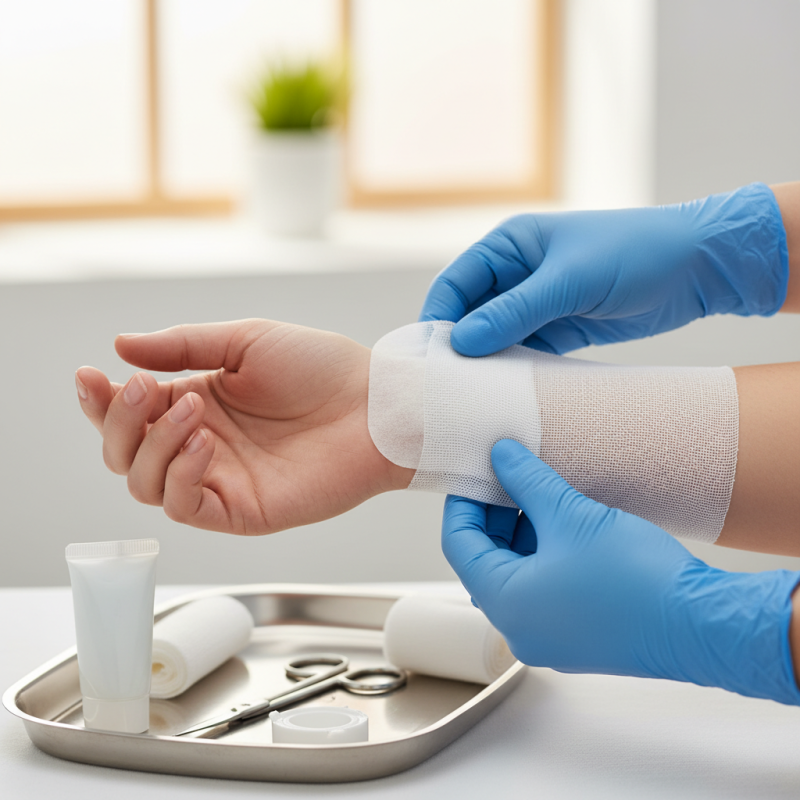
How to Prevent Wounds from Sticking to Cotton Bandages?

Understanding the Nature of Wounds and Bandages

Understanding the nature of wounds is crucial for effective treatment. Open wounds, such as cuts and abrasions, often stick to bandages. When this happens, it can cause pain and interfere with the healing process. Research indicates that around 6 million people in the U.S. suffer from chronic wounds, emphasizing the importance of proper wound care. Bandages made from certain materials can increase adhesion, leading to complications that can delay recovery.

Cotton bandages, while absorbent, are notorious for adhering to wounds. The fibers in cotton can latch onto tissue as it begins to heal. This can worsen pain and disrupt cellular regeneration. A study published in the Journal of Wound Care found that approximately 25% of patients experienced difficulty with cotton bandages adhering to their wounds. In contrast, newer, non-adherent dressings can reduce this issue. They help manage moisture levels and prevent sticking, which is vital for patient comfort and healing efficiency.

Despite advancements in wound care, challenges remain. Many individuals still rely on traditional bandages, unaware of their drawbacks. The need for education around proper wound management cannot be overlooked. Providing clear guidelines can empower patients and caregivers alike, ensuring better outcomes.

The Importance of Choosing the Right Bandage Material

Choosing the right bandage material is essential for effective wound healing. Cotton bandages can stick to wounds, causing pain and damage during removal. Selecting non-stick bandages can alleviate this issue, promoting faster recovery and comfort.

When choosing bandages, consider materials like silicone or hydrogel. These options provide a gentle barrier, keeping moisture in while preventing adherence to the wound. Check for breathable fabrics that allow air circulation, as this supports healing.

Tips for avoiding sticking: keep the wound clean and well-moisturized. Applying an appropriate ointment can create a barrier. Over time, if bandages do stick, gently wetting them can ease removal. Always monitor for signs of infection or irritation, which may indicate inadequate material choice. The right bandage makes a difference in the healing process.

Techniques to Prevent Wound Adhesion to Cotton Bandages

When managing wounds, preventing adhesion to cotton bandages is crucial. Research indicates that up to 30% of patients experience dressing-related issues. Adhering wounds can lead to pain and delayed healing. Utilizing certain techniques can ensure better outcomes.

One effective method is using non-adherent dressings. These dressings create a barrier and reduce friction. According to a study published by the Journal of Wound Care, 40% of patients reported less discomfort with non-adherent options. Silicone-coated dressings are also gaining popularity. They minimize trauma during dressing changes.

Tips: Always clean the wound thoroughly before applying any dressing. This helps reduce the risk of infection and enhances healing. Additionally, applying a thin layer of petroleum jelly can help keep the dressing from sticking to the wound. Some may find it challenging to find the right balance between adherence and moisture. Monitoring the wound is essential for ensuring a healthy healing environment.

How to Prevent Wounds from Sticking to Cotton Bandages? - Techniques to Prevent Wound Adhesion to Cotton Bandages

Technique Description Effectiveness Recommended For
Use of Non-Adhesive Dressings Employ dressings made from non-stick material to avoid adhering to the wound. High Post-surgery, burn injuries
Hydrogel Application Apply a hydrogel layer to the wound before covering it with a bandage to keep it moist. Medium Chronic wounds, dry wounds
Silicone Gel Sheets Use silicone gel sheets that prevent adhesion while maintaining moisture balance. High Scarring, sensitive skin
Proper Bandage Size Ensure the bandage is appropriately sized to cover the wound without excessive pressure. Medium General wound care
Regular Dressing Changes Change bandages regularly to prevent them from sticking to the wound. High All wound types

Application Methods to Minimize Bandage Stickiness

When applying bandages, preventing them from sticking to wounds is crucial. Begin by using a non-stick pad. These pads protect the wound while allowing drainage without adhering. They create a barrier against bacteria and dirt.

Applying an appropriate amount of ointment can also help. A thin layer ensures the wound remains moist. This prevents the bandage from sticking. However, be cautious not to over-apply. Too much can cause the bandage to slip or lead to more mess.

Additionally, choosing the right type of cotton bandage matters. Some are designed with less adhesive. Others come with built-in moisture barriers. Experiment with different types to find what works best for your needs. Remember, each wound is unique. What works for one may not work for another. Always assess the situation carefully.

Proper Wound Care Practices Alongside Bandaging Techniques

Proper wound care is essential for effective healing. Studies indicate that about 25% of people experience complications during the wound healing process. One common issue is wounds sticking to cotton bandages. This can exacerbate pain and impede recovery. Understanding how to prevent this is crucial.

Moist wound healing environments have shown significant benefits. According to the Journal of Wound Care, moisture can reduce the risk of adherence to bandages. Non-stick dressings maintain this environment without the risk of infection. Humidity created by wound exudate plays a role in healing, but excessive exposure to air can lead to scabbing. Keeping the wound covered with appropriate dressings is key.

Regularly changing bandages is critical, too. It is recommended to replace them at least once a day or sooner if wet. Some studies suggest that wounds left covered longer may be prone to infection. Monitoring the wound for signs of infection is vital. Consulting with healthcare professionals for personalized care is essential to ensure safe and effective wound management.

Wound Care Effectiveness with Various Bandaging Techniques

FAQS

: Why do some bandages stick to wounds?

: Certain materials, like cotton, can adhere to wounds, causing pain and delaying healing.

How common are issues with wound healing?

About 25% of individuals face complications during the healing process due to bandage adhesion.

What is a non-stick pad?

A non-stick pad protects wounds while allowing drainage, preventing them from sticking and keeping them clean.

How can I prevent a bandage from sticking?

Applying a thin layer of ointment can maintain moisture and reduce bandage adhesion.

Why is moisture important for wound healing?

Moist environments can lower the risk of bandages sticking while promoting faster recovery.

How often should I change my bandages?

Change bandages at least once a day or sooner if they become wet to prevent infection.

Are all bandages the same?

No, some are designed with less adhesive or built-in moisture barriers. It’s important to find what fits you.

Can traditional bandages still be effective?

While common, they often cause issues. Education on proper care is essential for better outcomes.

What should I monitor for during healing?

Watch for signs of infection, such as increased redness or pus, and consult a professional for advice.

How do I know what bandage is best for my wound?

Assess your wound's condition and try different types. Individual needs can vary significantly.

Conclusion

In addressing the question of "How to stop a wound from sticking to a cotton bandage," it is essential to understand the characteristics of both wounds and bandages. The right choice of bandage material plays a crucial role in preventing adhesion, as certain fabrics may be more prone to sticking than others. Techniques such as using non-stick gauze or applying a barrier cream can be beneficial in minimizing direct contact between the wound and the bandage.

Additionally, applying bandages correctly can significantly reduce the risk of stickiness. Techniques such as ensuring proper wound moisture and avoiding excessive tightness can enhance comfort and promote healing. Alongside these methods, maintaining proper wound care practices, including regular cleaning and monitoring, is vital for successful healing while preventing any complications associated with bandage adhesion.

Aria

Aria

Aria is a dedicated marketing professional with a deep passion for innovative strategies and a keen understanding of our company's product offerings. With a wealth of experience in the industry, Aria excels at crafting engaging content that highlights the unique features and benefits of our......