Improper disposal of used medical bandages poses health risks. Contaminated bandages can spread infections. Understanding how to dispose of used medical bandages safely is crucial for everyone.
Medical bandages can carry pathogens. If not disposed of properly, they can expose others to harmful bacteria. When thrown in regular trash, they can contaminate other items. It becomes a health hazard rather than a simple waste item.
Many people overlook disposal methods. Awareness of safe practices can prevent potential dangers. It is vital to educate the public about responsible disposal. Communities need to take this issue seriously. A lack of action can have serious consequences.
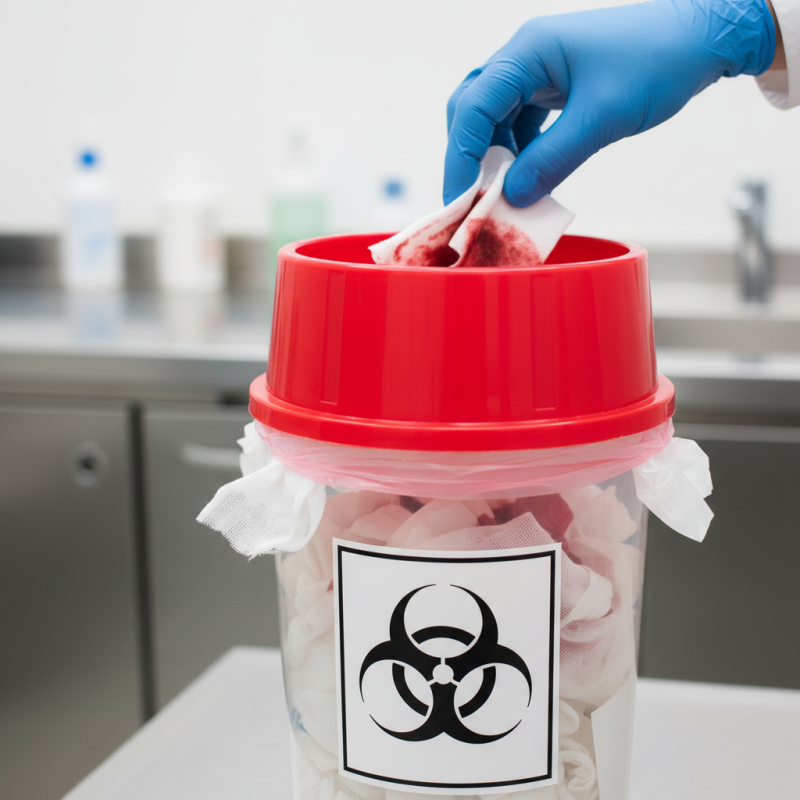
Disposing of used medical bandages properly is crucial for health and safety. These bandages often carry bacteria and pathogens. Improper disposal can lead to infections, not just for the person using them but also for others. After a bandage has been used, it may no longer be safe. Instead of tossing it in the regular trash, consider using a designated sharps container.
It's essential to educate ourselves on the risks of improper disposal. Imagine a child finding a used bandage on the ground. This could lead to accidental contamination or infection. Many individuals are unaware of how deadly infections can spread through simple carelessness. In urban areas, inadequate waste management increases exposure risks.
We should always ask ourselves about our disposal habits. Are we throwing away used bandages correctly? In many places, there are local guidelines for medical waste. Knowing these rules is part of being responsible. It’s a small act that can prevent bigger issues down the line. Reflecting on our practices can promote community health and safety.
| Disposal Method | Environmental Impact | Health Risks | Best Practices |
|---|---|---|---|
| Incineration | Reduces waste volume, minimizes landfill use | Can emit toxic fumes if not controlled | Use approved medical waste incinerators |
| Landfill | Contributes to landfill accumulation | Risk of infection and contamination | Only for non-hazardous, non-soiled bandages |
| Recycling (for some materials) | Reduces resource depletion | Unlikely for contaminated materials | Consult local recycling guidelines |
| Home Disposal | Possibly harmful if not done correctly | Increased risk of infection | Seal in a bag and dispose in general trash |
: Improper disposal can lead to soil and water contamination. Bandages contain harmful substances like blood and chemicals.
Medical waste can take centuries to decompose, increasing pollution levels in the environment.
Many facilities lack proper management systems. This can worsen the issues associated with medical waste disposal.
Place used bandages in a sealable plastic bag. Then, throw the bag away in a dedicated trash bin.
Always wash your hands after handling used bandages. This reduces the risk of spreading pathogens.
Yes, use a sharps container for bandages with sharp objects. This offers additional safety for disposal.
Consider reusable fabric bandages or biodegradable options. These choices help reduce single-use waste.
Experiment with different types and find what suits you. Make small changes gradually for lasting impact.
Yes, local guidelines may have specific requirements for disposing of medical waste properly.
Transitioning isn't always easy. Don't rush; gradual changes lead to better sustainability. Reflect on your habits.
Proper disposal of used medical bandages is crucial to prevent health risks and environmental damage. Improperly discarded bandages can harbor pathogens, posing serious health threats to the community and waste management workers. Moreover, neglecting the disposal of medical waste contributes to pollution and can harm local ecosystems.
To ensure safety, it's important to follow best practices for disposing of used medical bandages. This includes placing them in designated biohazard containers and following local regulations for hazardous waste. Additionally, exploring alternatives to traditional medical bandages, such as biodegradable options, can significantly reduce waste. By understanding how to dispose of used medical bandages safely, individuals can protect their health and the environment.

 NuCure Medical