Can You Safely Reuse a Cohesive Bandage After Washing Tips

Time:2026-05-09 Author:Sophia
0%

Cohesive bandages are popular tools for providing support and protection. Many individuals wonder, "Can you reuse a cohesive bandage after washing?" This is an important question for those looking to save resources and maintain hygiene.

While these bandages are designed to be durable, washing them can affect their adhesive properties. A fresh, clean bandage ensures that it sticks properly. However, it's not always clear if it remains effective after washing. Some users report success, while others notice a decline in performance.

When considering reuse, think about the potential risks. Bacteria can linger after washing, posing a health concern. It’s crucial to weigh the benefits against these risks. Reusing a cohesive bandage might save money, but it may also lead to discomfort or injury if it fails to perform as intended. Being cautious is essential for safety.
Can You Safely Reuse a Cohesive Bandage After Washing Tips

What Is a Cohesive Bandage and Its Common Uses?

A cohesive bandage is a versatile medical tool often used for wrapping and supporting injuries. Unlike traditional bandages, it sticks to itself rather than the skin. This feature allows it to conform snugly to various body parts, providing compression and stability. Cohesive bandages are commonly employed in sports medicine to support sprains, strains, or even post-surgical wounds.

These bandages are designed for multiple uses, but they require proper care. After washing, one might wonder if they can be safely reused. It’s essential to ensure that they dry thoroughly and maintain their sticky properties. While washing can remove dirt and bacteria, it might also affect the bandage's performance. Inspect the bandage for any signs of wear after each wash.

A frayed edge or diminished stickiness can compromise safety and effectiveness. Relying on a damaged bandage could delay recovery or lead to further injury.

Understanding the Risks of Reusing Cohesive Bandages

Cohesive bandages are designed for single use, primarily for their adhesive properties and safety. Washing them might seem like a cost-effective idea, but it comes with risks. One major concern is contamination. Washing can introduce bacteria, which can lead to infections. Once a cohesive bandage is wet, it loses its original functionality.

Even if a bandage looks clean after washing, it may not perform well. The stretchability and adhesion can diminish significantly. This may compromise support for injuries. If the bandage slips or comes undone, it could cause further harm. Additionally, the drying process might weaken the fabric, leading to breaks during use.

While reusing a bandage may save money, the potential health risks raise concerns. It's essential to weigh these risks against the benefits of using a fresh bandage. Choosing safety over saving costs is crucial when it comes to wound care. Always prioritize proper hygiene and effectiveness in medical supplies.

Can You Safely Reuse a Cohesive Bandage After Washing Tips - Understanding the Risks of Reusing Cohesive Bandages

Aspect Details
Material Composition Latex, Cotton, Synthetic polymers
Washing Method Hand wash in lukewarm water with mild detergent
Maximum Reuses Up to 3 times, depending on condition
Risks of Reusing Reduced adhesion, potential for contamination
Storage Recommendations Keep in a cool, dry place away from sunlight
Signs of Damage Tears, loss of elasticity, discoloration
Alternatives Disposable bandages, self-adherent wraps

Step-by-Step Guide to Properly Washing Cohesive Bandages

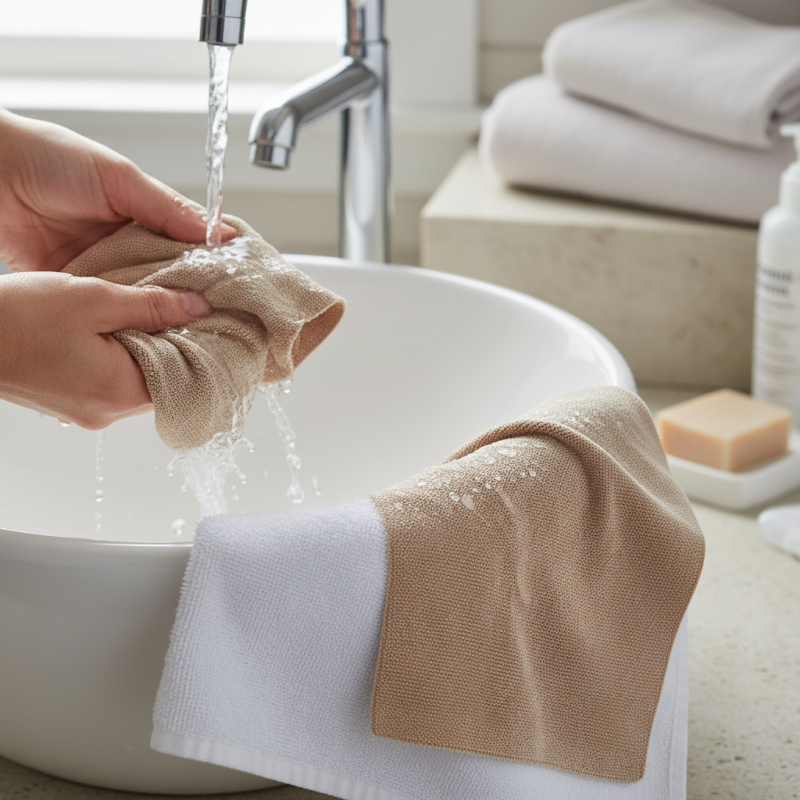
When dealing with cohesive bandages, proper washing is essential. First, rinse the bandage gently in cool water. Avoid hot water as it can damage the material. Studies indicate that washing cohesive bandages can significantly reduce bacterial growth, making them safer for reuse. A report from the Journal of Wound Care highlights that clean bandages can lower infection rates by over 30%.

After rinsing, use a mild detergent. Scrub delicately with your hands or a soft cloth. This method preserves the bandage’s stickiness and elasticity. Remember, not all detergents are suitable. Harsh chemicals may weaken the material. Aim for a low suds detergent.

Drying requires focus. Air drying is best to maintain the bandage's form. Lay it flat on a clean surface away from direct sunlight. The heat may affect cohesion. Here are some tips:

  • Check for signs of wear.
  • If the bandage shows fraying or loss of elasticity, consider discarding it.
  • Regular checks post-wash will ensure safety for your next use.

Tips for Safely Reusing Cohesive Bandages After Washing

Cohesive bandages are popular for their convenience and versatility. However, reusing them after washing can be tricky. When considering cleanliness, ensure they are thoroughly washed. Hot water can help remove dirt and germs. Use mild detergent to avoid damage. After washing, check for any signs of wear. If you notice fraying or reduced stickiness, it’s best to discard them.

Drying is another important step. Air drying works, but too much moisture can lead to mold. Avoid direct sunlight, as it can weaken the fabric. When reapplying, make sure the skin is clean and dry. This helps prevent irritation. Apply gently, ensuring the bandage adheres well without being too tight.

Always keep in mind that reusing bandages may not be cost-effective. The risk of infection or irritation could increase if they’re not maintained properly. Reflecting on these factors can lead to making smarter choices about your bandage use. Each time you wash and reuse, evaluate if it still meets your needs. Your health should always come first.

Signs That Indicate a Cohesive Bandage Should Not Be Reused

When considering the reuse of cohesive bandages, it's crucial to recognize the signs that indicate they should not be reused. A study published in the Journal of Wound Care highlights that approximately 30% of patients experience infections from improperly managed bandages. If a cohesive bandage appears discolored, damp, or has an unpleasant odor, these are clear indicators that it has absorbed moisture and bacteria. Using such bandages can lead to significant health risks.

Professional guidelines suggest discarding bandages that have lost their elasticity. A compromised bandage cannot provide adequate support. Rips or tears also signal that a bandage should not be reused. The structure integrity diminishes with each wash. Therefore, practitioners recommend closely examining the bandage before any reuse.

**Tips for Washing Cohesive Bandages:** Use cold water and mild soap during the washing process. Avoid aggressive scrubbing to prevent damage. Air drying is preferable.

Remember, proper hygiene is essential for wound care. Always prioritize your health when deciding on bandage reuse. Maintaining safety should never be overlooked.

Usage Analysis of Cohesive Bandages After Washing

The chart above illustrates the percentage of cohesive bandages that are considered safe to reuse after washing compared to those that should not be reused. A significant portion, 65%, can be safely reused, while 35% show signs indicating they should not be reused.

FAQS

: What is a cohesive bandage?

: A cohesive bandage is a self-sticking bandage used for supporting injuries and providing compression.

How does a cohesive bandage differ from regular bandages?

Unlike regular bandages, cohesive bandages stick to themselves, not to the skin, allowing for easy application.

Can cohesive bandages be reused after washing?

Yes, but they must be properly washed, dried, and inspected for damage before reusing.

What is the best way to wash cohesive bandages?

Use hot water and mild detergent to clean them. This helps remove dirt and germs effectively.

How should cohesive bandages be dried?

Air drying is best, but avoid excess moisture and direct sunlight to prevent mold and fabric damage.

What should I check before reusing a cohesive bandage?

Inspect for frayed edges or reduced stickiness. A damaged bandage may not be safe or effective.

What risks are associated with reusing cohesive bandages?

Risks include increased chance of infection or irritation if they are not adequately maintained or damaged.

How can I ensure comfort when applying a cohesive bandage?

Ensure the skin is clean and dry before applying the bandage, but avoid applying too tightly.

Is reusing cohesive bandages cost-effective?

Not always; consider the risks and maintenance. Sometimes, it might be smarter to use a new bandage.

Why is it important to reflect on bandage reuse?

Evaluating the condition of the bandage impacts your health and recovery. Prioritize safety and effectiveness.

Conclusion

Cohesive bandages are commonly used in medical settings for their ability to adhere to themselves without sticking to skin or wounds. However, a common question arises: "Can you reuse a cohesive bandage after washing?" While reusing bandages may seem cost-effective and environmentally friendly, there are several risks involved, including contamination and reduced effectiveness. Proper washing techniques are essential to minimize these risks, but not all bandages can withstand washing without compromising their integrity.

To safely reuse cohesive bandages, it's crucial to follow a step-by-step washing guide and inspect the bandage thoroughly afterward. Signs that indicate a bandage should not be reused include noticeable wear, changes in texture, or any signs of disinfection failure. Ultimately, while it is possible to reuse a cohesive bandage after washing, careful consideration and proper techniques are vital to ensure safety and efficacy.

Sophia

Sophia

Sophia is a dedicated marketing professional with an exceptional depth of knowledge about her company's products and services. With a keen understanding of market trends and customer needs, she crafts insightful blog posts that not only inform but also engage readers, enriching the company’s online......