When applying a bandage, ensuring the right level of tightness is crucial. "What are the signs of a bandage being too tight?" This question highlights an important concern for both medical professionals and everyday individuals. A properly applied bandage supports healing, while a bandage that is too tight can lead to complications.
Signs that a bandage is overly tight include visible swelling, discoloration, or numbness in the area. Patients may also experience tingling or pain. These symptoms indicate that circulation is compromised. The skin can show marks or indentations from the bandage. Each sign reveals essential information about the bandage’s fit and its impact on healing.
If you notice these symptoms, it’s vital to reassess the tightness of the bandage. Adjusting the bandage can enhance comfort and promote proper blood flow. Sometimes, it’s easy to underestimate the importance of a secure yet comfortable fit. Reflection on proper technique and awareness can prevent unnecessary complications.
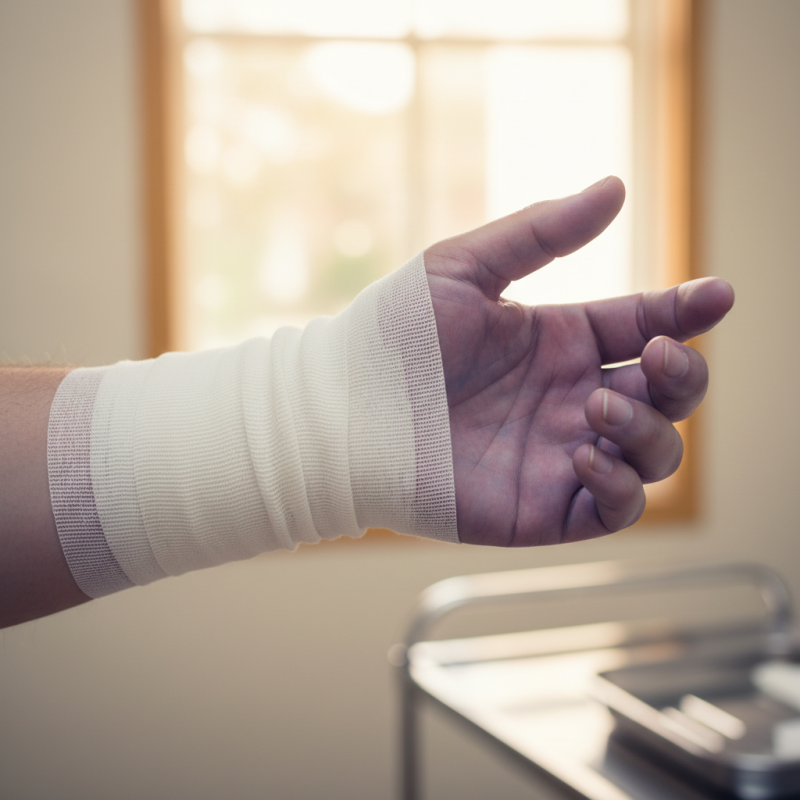
When applying a bandage, it's crucial to ensure it's not too tight. If you notice any signs of discomfort, take them seriously. One common indicator is swelling. If the area around the bandage starts to swell or change color, it could mean the bandage is restricting blood flow. Another sign is increased pain. If the pain intensifies after applying the bandage, it might be a warning sign.
Numbness can also signal a problem. If your fingers or toes feel tingly or numb, the bandage may be too constrictive. This is particularly concerning. You may also experience a sense of heaviness in the area covered by the bandage. This sensation usually indicates that circulation is affected. Additionally, check for signs of skin irritation or chafing. Red marks can appear where the bandage presses too tightly against the skin.
It's essential to find the right balance. A bandage should provide support without being overly restrictive. Regularly inspect the area for changes in color or temperature. This simple practice can help detect problems early. Being mindful of these signs promotes better healing and overall health. Trust your instincts. If something feels off, it’s worth re-evaluating the bandage's tightness.
When applying a bandage, it's essential to monitor for signs that it may be too tight. Physical symptoms can signal issues like numbness, tingling, and swelling. These symptoms indicate that blood flow is being constricted. A report from the National Institutes of Health emphasizes the importance of recognizing these signs to prevent complications.
Numbness often occurs when a bandage restricts circulation. This may happen in one or more fingers or toes. Tingling sensations often accompany numbness, leading to discomfort. Swelling in the area beneath the bandage is another alarming sign. Observing these indicators can help avoid severe conditions, including tissue damage.
Tips for proper bandaging technique: Always check circulation after wrapping. Press a fingernail or toenail; it should quickly return to its normal color. If the area feels unusually cold or hot, reassess the bandage. Adjusting the bandage's tightness can be a simple yet effective solution. Listen to your body. Sometimes, small adjustments make a big difference. Monitoring your wounds regularly ensures better healing outcomes and minimizes risks.
| Symptom | Description | Severity Level |
|---|---|---|
| Numbness | Loss of sensation in the area below the bandage. | Moderate |
| Tingling | A prickling sensation often described as 'pins and needles'. | Mild to Moderate |
| Swelling | Inflammation or puffiness in the area around the bandage. | Moderate to Severe |
| Discoloration | Blue or purple skin tone around the bandaged area. | Severe |
| Pain | Increased sensitivity or pain in the area. | Moderate to Severe |
When applying a bandage, it’s crucial to ensure that it isn’t too tight. A bandage that restricts blood flow can lead to serious complications. Common signs of a tight bandage include discomfort and swelling in the area covered. If fingers or toes start to feel tingly or numb, that’s a clear warning sign.
Restricted circulation can have immediate effects on healing. Blood flow is essential as it delivers vital nutrients and oxygen to tissues. Prolonged compression can result in tissue damage. Check for color changes in the skin. If it appears pale or bluish, undo the bandage and try again. It's better to be overcautious than risk further injury.
Remember that tension should be firm yet comfortable. If the bandage feels constricting, it likely is. Over time, too much pressure can lead to complications that hinder recovery. Always listen to your body and adjust accordingly. Understand the balance between adequate support and excessive tightness for optimal healing.
Bandages that are too tight can cause significant discomfort and health issues. Observing skin changes is essential. One key indicator of an overly tight bandage is color variation. Healthy skin typically displays a consistent, pale hue. A bandage that is too constrictive may lead to
blueness or paleness. This occurs due to restricted blood flow, a condition known as ischemia. According to the Journal of Wound Care, nearly 30% of patients experienced skin discoloration due to improper bandaging techniques.
Temperature is another vital sign to monitor. If the skin beneath a bandage feels excessively cool, it may indicate insufficient circulation. On the other hand, feeling hot or burning can suggest inflammation or irritation. A study published by the National Institutes of Health found that about 20% of individuals with tight bandages reported unusual temperature sensations. Recognizing these symptoms early can prevent complications like skin necrosis or infections, which can arise from prolonged compression.
Sometimes, patients may overlook these signs, thinking discomfort is normal. This mindset can lead to serious consequences. Regularly assessing the condition of the skin under your bandage can ensure healing progresses smoothly. Listening to your body’s signals is crucial for effective wound management. Proper knowledge and awareness of these signs are key to maintaining skin integrity during the healing process.
When applying a bandage, it's crucial to monitor its tightness. A bandage that is too tight can cause serious complications. If you notice swelling or discoloration around the bandage, seek help. These symptoms indicate that blood circulation may be affected. A bandage should support the injury, not constrict it.
In addition to swelling, numbness or tingling sensations can signal a problem. These signs often indicate that nerves are being compressed. If the affected area feels cold or is turning pale, it is essential to address the issue immediately. Ignoring these warning signs can lead to more severe injuries.
In any case, trust your instincts. If something feels off, don’t hesitate to seek medical attention. It is better to be safe than to risk further injury. Remember, a bandage is there to aid healing, not create additional issues. Keep an eye on any changes and act quickly when needed.
: Swelling may indicate restricted blood flow. Reassess the bandage's tightness immediately.
Look for signs like numbness, tingling, or increased pain. These signals are important.
Blueness or paleness can suggest ischemia. This indicates inadequate circulation from a tight bandage.
Regular checks can help catch issues early. Look for color or temperature changes consistently.
A hot feeling may indicate inflammation or irritation. Adjusting the bandage is crucial.
Ignoring discomfort can lead to serious issues. Trusting your instincts can guide proper adjustments.
Press a nail; it should quickly regain color. If not, consider loosening the bandage.
Many overlook discomfort, thinking it's normal. This can lead to complications.
Numbness, tingling, or a heavy feeling can indicate constricted blood flow.
This could mean circulation is affected. Re-evaluate the bandage tightness right away.
When considering "What are the signs of a bandage being too tight," it is essential to recognize various indicators that may suggest discomfort and potential health risks. Symptoms such as numbness, tingling, and noticeable swelling in the affected area can signify that the bandage is restricting blood flow. Observing changes in skin color and temperature can further help identify issues; for instance, if the skin appears pale, bluish, or feels unusually cold, these may be signs of impaired circulation.
In some cases, it is crucial to seek medical help immediately if the signs worsen or if pain intensifies, as this can indicate severe complications. Understanding the importance of healthy circulation and being attentive to these physical symptoms can help prevent further complications associated with overly tight bandages.

NuCure Medical