Many people ask, "Why is my skin reacting to medical adhesive tape?" This common concern can stem from various reasons. Medical tape is essential in healthcare, but it can cause skin reactions for some individuals. Understanding these reactions can help in finding suitable solutions.
Skin reactions often vary widely. They can range from mild irritation to severe allergic responses. The adhesives used in medical tapes may contain substances that irritate the skin. Additionally, individuals with sensitive skin may experience discomfort more frequently. Environmental factors, such as moisture and temperature, also contribute to these reactions.
It's essential to identify the cause of the skin reaction. Consulting a healthcare professional can provide guidance on alternative tapes. This can prevent further irritation and ensure proper wound care. Addressing your skin's needs requires understanding both the materials used and personal sensitivities.
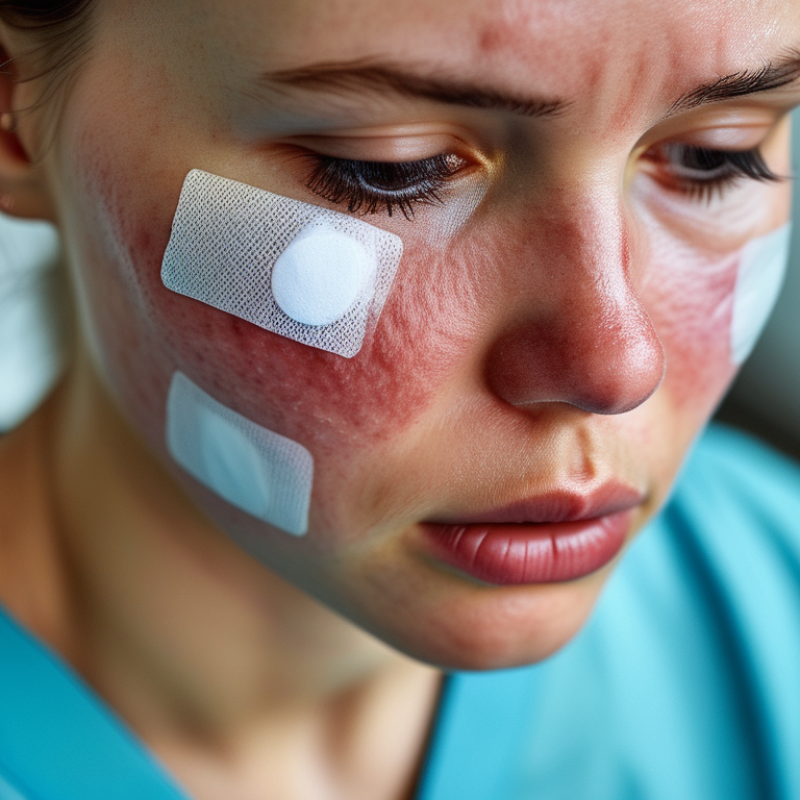
Medical adhesive tape is widely used in healthcare settings. This tape serves various purposes, including securing dressings and supporting injuries. However, some people experience skin reactions when using these adhesives. Understanding the components of medical adhesive tape can help explain why these reactions occur.
Most medical adhesive tapes contain acrylic or rubber-based adhesives. These materials provide a strong bond but can also cause irritation in sensitive individuals. Factors such as skin type, duration of use, and hygiene play significant roles in reactions. Some individuals may have allergic responses to specific components. It's essential to keep an eye on the skin condition during and after use.
Additionally, the technology behind medical tape is evolving. Manufacturers are working on hypoallergenic versions that cater to sensitive skin. However, not all products are the same. Variability in quality and composition can lead to unexpected reactions. People should always perform a patch test when trying new types of medical tape, even if they have used similar products before. Understanding these nuances creates better awareness of how to manage skin reactions effectively.
Medical adhesive tape is widely used for various medical purposes. However, it can cause different skin reactions. Many people experience discomfort or irritation after using this tape. Understanding these reactions can lead to better skin care practices.
Common skin reactions include redness, itching, and rash. Redness often occurs at the tape's edges. It may indicate sensitivity to the adhesive material. Itching may follow shortly, leading to scratching. This can worsen the irritation. Some individuals develop a rash, which can be more severe and require medical attention. It's important to recognize these signs early.
If you notice any reactions, you might want to switch to hypoallergenic options. Experiment with different types of tape for better results. Monitor your skin closely after each use. Keeping your skin healthy is essential. Listen to your body, and don't ignore any signs of distress.
Skin sensitivity to medical adhesive tape varies widely among individuals. One major factor is skin type. For instance, those with dry or sensitive skin may experience more irritation. The thickness and moisture levels in the skin can influence the adhesive's grip. Skin that is compromised, such as through eczema or psoriasis, can also react more poorly to adhesives.
Another crucial element is the adhesive itself. The chemistry behind the adhesive can determine its potential to cause irritation. Certain adhesives are designed for sensitive skin, while others might contain irritants. Additionally, the duration of tape application matters. A longer exposure can increase the risk of skin reactions. In some cases, environmental factors like humidity and temperature can amplify irritation.
Individual health conditions play a role as well. Medications, hormonal changes, or allergic tendencies can heighten skin sensitivity. Those with allergies should be cautious. Understanding your skin's behavior can help manage reactions. It’s vital to recognize that even familiar products can cause unexpected issues. Experimenting with different tapes may be necessary to find a suitable option.
Skin reactions to medical adhesive tape can be common and frustrating. Many people experience redness, itching, or blistering when using these tapes. Understanding the reasons behind these reactions is crucial for effective management. Adhesives often contain compounds that can irritate sensitive skin. When the tape is removed, the skin may react to the residue left behind, causing further irritation.
To prevent such reactions, consider a patch test before extensive use. Apply a small piece of tape on your skin and wait 24 hours. Observe any signs of irritation. If no reaction occurs, the tape may be safe for use. Additionally, choose hypoallergenic options whenever possible. These types of tapes are specifically designed to reduce the likelihood of adverse skin reactions. Keeping the skin clean and moisturized can also help mitigate irritation.
In instances of persistent reactions, do not hesitate to consult a healthcare professional. It's important to understand your skin's specific sensitivities. Each person's skin is unique and may require a tailored approach to adhesive use. Being attentive to your body’s responses can lead to better choices in managing skin health.
| Skin Reaction Type | Symptoms | Causes | Prevention Methods |
|---|---|---|---|
| Contact Dermatitis | Redness, itching, swelling | Allergic reaction to adhesive | Use hypoallergenic tape, patch test |
| Irritant Dermatitis | Burning sensation, dryness | Mechanical irritation from tape | Limit duration of tape use |
| Skin Infection | Pus, increased pain, swelling | Bacteria could enter through skin | Maintain skin hygiene, change tape regularly |
| Skin Discoloration | Dark or light patches | Prolonged adhesive exposure | Use skin-friendly tapes |
Adhesive sensitivities can lead to discomfort for many patients. Medical adhesive tape is a common source of irritation. According to a study published in the Journal of the European Academy of Dermatology and Venereology, nearly 30% of individuals experience skin reactions to adhesives. This significant figure highlights the need to explore alternative solutions.
Patients with adhesive sensitivities can consider using hypoallergenic tapes. These tapes are designed to minimize skin irritation while still providing necessary adhesion. Silane-treated products have shown promise, as they offer strong adherence without the harsh reactions associated with traditional adhesives. Additionally, silicone-based tapes provide a gentler alternative. They are less likely to irritate sensitive skin, allowing for better wear over time.
Tips: Always test a small area of skin before using new adhesive products. If reactions occur, switch to a different solution immediately. Consult with healthcare providers about your options. Keeping the skin moisturized can also help minimize irritation. Regularly assess your skin’s response to any adhesive used, adjusting as necessary to maintain comfort throughout your care regimen.
: Skin type is a major factor. Dry or sensitive skin often reacts more.
Compromised skin from conditions like eczema can worsen reactions to adhesives.
The chemistry of the adhesive can determine its potential to irritate the skin.
Longer exposure to adhesive can increase the likelihood of skin reactions.
Yes, hypoallergenic tapes and silicone-based options minimize irritation effectively.
Always apply a small patch on your skin first and monitor for reactions.
Switch to a different product immediately and consult with a healthcare provider.
Yes, humidity and temperature can enhance skin irritation from adhesives.
Keep your skin moisturized and regularly assess its reactions to products used.
Yes, even known products can cause unexpected issues; monitor their effects continually.
Medical adhesive tape is commonly used in various healthcare settings, but many individuals experience skin reactions when using it. This raises the question, "Why is my skin reacting to medical adhesive tape?" Understanding the components of these adhesives is crucial, as they can contain substances that may irritate sensitive skin. Common reactions include redness, itching, and blisters, which may vary based on factors such as skin type, duration of tape application, and individual allergies.
To manage and prevent these reactions, it's essential to take precautions such as testing a small area of skin before full application and using protective barriers. Alternatives to traditional adhesives are available for those with sensitivities, ensuring that patients can receive necessary medical care without compromising their skin health. Recognizing the reasons behind these reactions enables better choices and promotes comfort in treatment.

NuCure Medical