When you apply medical adhesive tape, the body can react unexpectedly. Many people ask, "Why is my skin reacting to medical adhesive tape?" This question highlights a common issue that affects a diverse range of individuals. Understanding the reasons behind this reaction is vital for anyone who uses medical tapes for dressings or support.
Medical adhesive tape can cause skin irritation due to various factors. Allergies to certain materials in the tape are often at play. For example, latex or specific adhesives may provoke redness and discomfort. People may not even realize they have sensitivities until they experience these reactions. Additionally, the duration of tape application impacts skin health. Leaving tape on for too long can harm the skin, leading to peeling or lesions.
Not every reaction is the same; some may be mild, while others could require medical attention. Taking note of any persistent irritation is crucial. It reflects the importance of selecting the right type of medical tape for your skin. Engaging with healthcare professionals can provide guidance on appropriate options. Ultimately, awareness and knowledge lead to better skin care practices in relation to medical adhesives.
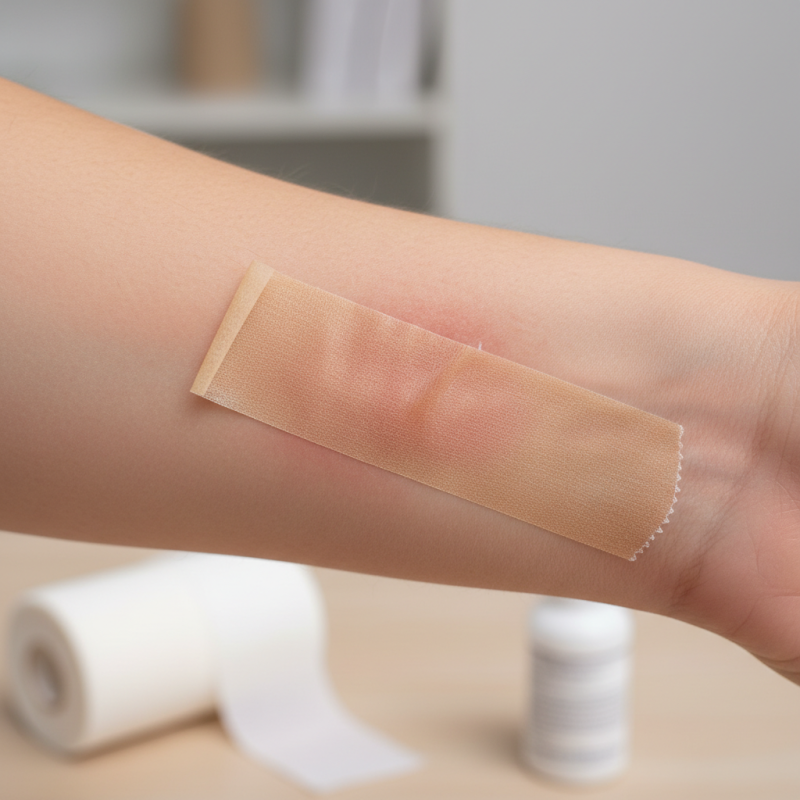
Medical adhesive tape is commonly used in healthcare. It can hold bandages, secure catheters, and support skin. However, some individuals may experience skin reactions. These reactions can be uncomfortable, leading to redness, itching, or blistering. Understanding the components of medical adhesive tape can help identify the sources of these reactions.
Most medical adhesive tapes contain adhesives based on acrylic, rubber, or silicone. Each type has different properties and sensitivities. Acrylic adhesives are strong and resistant to moisture but may irritate sensitive skin. Rubber adhesives provide a secure hold but can provoke allergic reactions. Silicone adhesives tend to be gentler and are less likely to cause irritation. Knowing which adhesive is used can help inform your choices.
**Tips:** Always conduct a patch test before using new tape on larger areas of your skin. If you notice irritation, switch to a silicone-based option. Moisturizing the skin before application can also reduce reactions. Be cautious of the tape's material and adhesive, as some can trigger allergies.
Skin reactions to medical adhesive tape are more common than many realize. Studies show that 20 to 30% of the population may experience some form of skin irritation when using adhesive products. This can manifest as redness, itching, or even blistering. Sensitivity varies by individual and is often linked to the specific materials in the tape.
Common skin reactions include contact dermatitis. This condition results from the skin's inflammatory response to adhesive components, such as pressure-sensitive adhesives. A report from the American Academy of Dermatology indicates that allergic reactions can occur in up to 10% of users. These incidents may lead to significant discomfort, affecting daily activities or treatment compliance.
Another issue is the risk of skin infections that can arise from tape-related irritations. Broken skin or blisters can provide an entry point for bacteria. A statistic from the World Health Organization highlights that infections can occur in 5 to 25% of patients with skin integrity issues. It's essential to recognize these reactions early. Health professionals recommend monitoring skin reactions and considering alternative products when necessary.
Adhesive tape is frequently used in medical settings, but skin reactions can occur. Factors influencing these reactions include the type of adhesive, skin sensitivity, and duration of contact. Studies indicate that around 30% of patients experience some form of dermatitis due to adhesive products. An analysis published in the *British Journal of Dermatology* highlighted how certain skin types, especially those that are sensitive or compromised, are at a higher risk.
The adhesive's material composition plays a crucial role. Some adhesives contain irritants, while others might be hypoallergenic. A report from the *American Academy of Dermatology* noted that acrylic adhesives tend to cause fewer reactions compared to rubber-based options. Additionally, environmental factors such as humidity and temperature can exacerbate skin sensitivity.
Tips for minimizing reactions include testing the adhesive on a small skin area first. Keep the skin clean and well-moisturized. Choose hypoallergenic options if you have a history of sensitivities. If irritation occurs, remove the adhesive promptly and consult a healthcare professional. Pay attention to your body’s reactions, as they can guide your choices in the future. Remember, even the best products might not work for everyone. Understanding your skin helps make informed decisions.
Skin reactions to medical adhesive tape can be common. Up to 30% of patients may experience irritation or allergic reactions. These responses can include redness, itching, or blistering. Understanding how to prevent and manage these issues is crucial for patient comfort and safety.
To reduce the risk of skin reactions, consider the following tips. Choose hypoallergenic adhesive tapes when possible. These products are designed for sensitive skin. Always test a small area of skin before full application. This can help identify potential reactions early. Maintaining clean, dry skin is essential. Moisture can weaken adhesive bonds and increase irritation.
If a reaction occurs, apply a gentle hydrocortisone cream to soothe inflammation. Keep the affected area clean and protected. Monitor the reaction for worsening symptoms. In severe cases, consulting a healthcare professional is necessary. They can recommend specific treatments or alternative tapes. Even with precautions, some individuals may continue to react. It's essential to stay informed and adapt as needed.
Skin reactions to medical adhesive tape can range from mild irritation to severe allergic responses. These reactions often arise from skin sensitivity to the adhesive or the tape's material. According to the Journal of Dermatology, about 10-15% of people experience some form of skin reaction to medical adhesives.
It's important to seek medical attention if you notice persistent redness, swelling, or itching after tape removal. In severe cases, blistering or crusting may occur, indicating a possible allergic reaction. The American Academy of Dermatology suggests seeing a healthcare provider if symptoms last more than 48 hours. Early intervention can prevent further complications.
Tips for managing adhesive tape reactions include using hypoallergenic tape when possible. Always patch-test a small area before applying. If irritation occurs, remove the tape gently to minimize skin damage. Keep the affected area clean and moisturized. Remember, everyone's skin is different. What works for one person may not be suitable for another. Always listen to your body and consult a professional when in doubt.
: Common reactions include redness, swelling, itching, and sometimes blistering. Around 30% of users may experience dermatitis.
Test the adhesive on a small area first. Keep your skin clean and moisturized. Choose hypoallergenic options when possible.
Seek help if redness, swelling, or itching persists after tape removal. Consult a professional for symptoms lasting over 48 hours.
Factors include the type of adhesive, skin sensitivity, and environmental conditions like humidity and temperature.
No, different adhesives vary in their potential to cause reactions. Acrylic adhesives often trigger fewer reactions than rubber-based ones.
Yes, but it’s crucial to choose hypoallergenic tape and do a patch test to avoid adverse reactions.
Remove the tape gently and keep the area clean and moisturized. Monitor your skin's reaction for future reference.
About 10-15% of people experience skin reactions. These can range from mild irritation to severe allergies.
Yes, humidity and temperature can increase skin sensitivity and exacerbate reactions to adhesive products.
It’s not advisable. Even mild reactions should be monitored. Listening to your body is essential for skin health.
The article "Why is My Skin Reacting to Medical Adhesive Tape?" explores the reasons behind skin reactions to medical adhesive products. It begins by discussing the components of medical adhesive tape, including various adhesives that may cause sensitivity. Common skin reactions such as redness, irritation, and allergic responses are outlined, highlighting that individual skin types and pre-existing conditions can significantly influence these reactions.
Additionally, the article emphasizes preventative measures and management strategies for those susceptible to adhesive reactions, such as patch testing and using alternative materials. It also advises when to seek medical attention, stressing the importance of professional evaluation for severe or persistent reactions. Understanding the factors surrounding adhesive tape reactions can help individuals manage and mitigate any discomfort, responding to the question: "Why is my skin reacting to medical adhesive tape?" with informed insights and practical solutions.

NuCure Medical