When considering the question, "Can you sleep with a compression wrap on your leg?", it's essential to explore both the benefits and potential drawbacks of using compression wraps overnight. Compression therapy has gained recognition in the medical community for its ability to improve circulation and reduce swelling. According to a report published by the Journal of Vascular Surgery, using compression garments can enhance venous return by up to 50%.
However, sleeping with a compression wrap may not be suitable for everyone. Individuals with certain medical conditions, such as peripheral artery disease, may experience discomfort or restricted blood flow. A survey conducted by the American College of Phlebology indicates that while many patients report positive outcomes, some express concerns about overnight usage. It's crucial to listen to your body and assess how the wrap affects your comfort level during sleep.
Ultimately, the decision should be based on personal experience and medical advice. If you're considering this method for recovery or comfort, ensure to consult with a healthcare professional. The right approach can lead to effective healing, but caution is necessary to avoid potential complications.
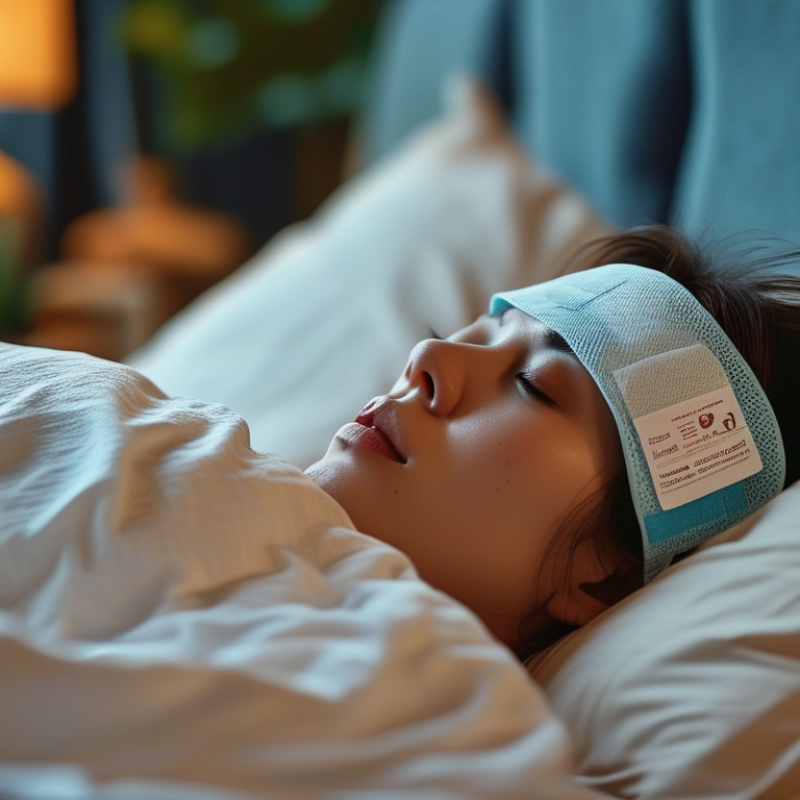
Compression wraps are a popular choice for improving leg health. They apply consistent pressure to the muscles and veins of the leg. This can help enhance circulation and reduce swelling. Many athletes use these wraps during workouts and recovery. They may also benefit those with chronic leg issues. However, not everyone is suited for their use.
Wearing a compression wrap while sleeping is a debated topic. Some find it beneficial, while others feel restricted. If the wrap is too tight, it might cause discomfort. It's important to find a balance. Listening to your body is crucial. If you wake up feeling numb or sore, adjustments are needed.
Understanding the benefits of compression wraps can empower you. They support muscle recovery and reduce fatigue. Many users report feeling fresher after using them consistently. However, consider your personal comfort and needs. Ensure the wrap fits properly. Consult a healthcare professional if unsure. This approach fosters a more thoughtful and careful use of compression therapy.
: Compression wraps help reduce swelling and improve blood circulation, especially after surgery or with chronic venous issues.
Make sure the wrap isn't too tight. If you feel numbness or pain, remove it immediately.
Some people find them uncomfortable. It's essential to listen to your body when wearing them.
Start by wearing them for a few hours to assess comfort before using them overnight.
Elevating your legs or using lightweight compression socks can be gentler options that enhance circulation.
Check your skin regularly for signs of irritation or excessive pressure while wearing the wrap.
Talk to healthcare professionals about your discomfort; they might suggest adjustments or alternatives.
A medium firmness is often best, providing enough support without excessive pressure.
Using a wedge pillow for leg elevation can significantly enhance fluid drainage and reduce vein pressure.
Issues like numbness or swelling can occur if wraps are used incorrectly or fit poorly.
The article titled "Can You Sleep with a Compression Wrap on Your Leg Effectively?" explores the various aspects of using compression wraps for leg health. Compression wraps are designed to improve circulation, reduce swelling, and enhance recovery, making them beneficial in certain circumstances. Indications for their use while sleeping include managing conditions like chronic venous insufficiency or swelling from injuries. However, the article also highlights potential risks and discomforts, such as restricted blood flow or skin irritation, which should be considered before deciding to sleep with a compression wrap.
To ensure safe usage, best practices for applying compression wraps before bedtime are outlined, emphasizing the importance of proper technique and fit. Additionally, the article discusses alternative strategies for leg compression during sleep, which may provide comfort without compromising blood circulation. Ultimately, while the benefits of compression wraps are notable, individuals should weigh the pros and cons carefully, leading to the critical question: can you sleep with a compression wrap on your leg effectively?

 NuCure Medical