10 Tips on Using a Triangular Bandage for an Arm Sling?

Time:2026-06-16 Author:Aria
0%

Understanding "How to use a triangular bandage for an arm sling" is essential, especially in emergencies. Medical professional Dr. Emily Carter emphasizes, “A correctly applied sling can provide stability and comfort.” Triangular bandages are versatile. They can also serve various purposes in first aid situations.

Using a triangular bandage can seem challenging at first. It's crucial to get the technique right for effective support. Many people struggle with ensuring the proper fit or alignment. Knowing the right steps can significantly improve the outcome. A poorly secured sling can lead to discomfort or further injury.

With practice, applying a triangular bandage becomes easier. Observing experts can help bridge the gap between uncertainty and confidence. It's wise to approach this skill with a mindset for improvement. Mastering this technique can enhance your first aid capabilities. Engaging with reliable resources makes a lasting difference, boosting your readiness for unforeseen events.
10 Tips on Using a Triangular Bandage for an Arm Sling?

Understanding the Purpose of a Triangular Bandage for Arm Slings

A triangular bandage is a versatile tool in first aid, especially for creating arm slings. Understanding its purpose can help individuals provide effective support and immobilization. According to the American Academy of Orthopaedic Surgeons, proper immobilization reduces movement and pain, promoting healing.

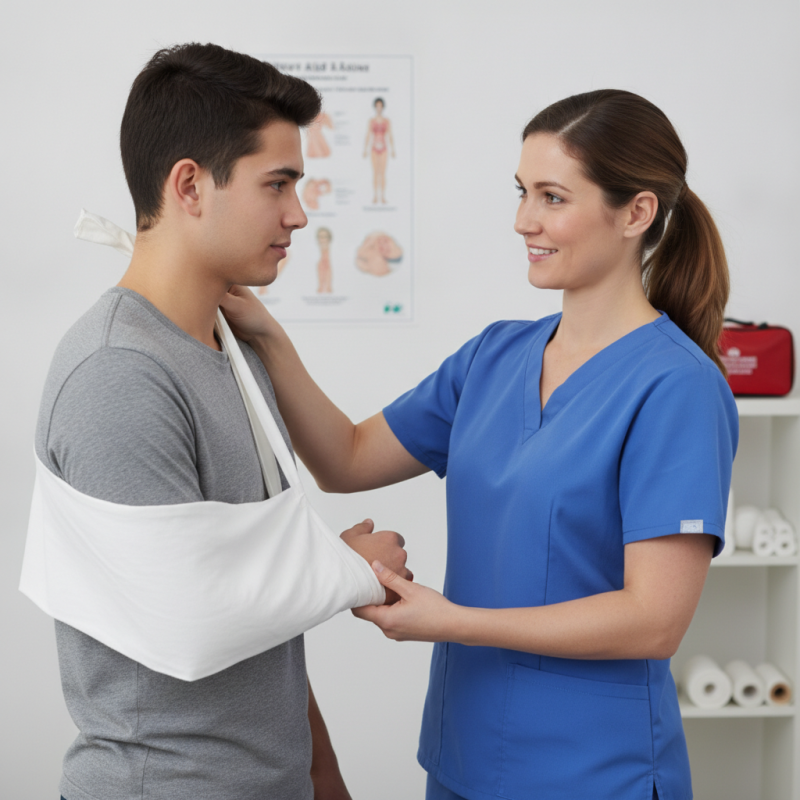
When using a triangular bandage for an arm sling, start by folding it diagonally. This creates a wide pocket for the arm. Position the sling to support the elbow and wrist adequately. The goal is to keep the arm close to the body while allowing some movement. Proper usage can minimize discomfort and aid recovery.

Tip: Position the bandage so it sits comfortably on the shoulder. This prevents unnecessary strain. Ensure that the sling holds the arm securely without cutting off circulation. The ideal tension should allow a finger to slide between the bandage and skin easily.

Improper techniques can lead to complications. A poorly applied sling may exacerbate pain or delay recovery. It is crucial to observe the patient's comfort and make adjustments as needed. Recognizing subtle signs can aid in determining if the sling needs alteration.

Selecting the Right Size and Material for the Triangular Bandage

When selecting a triangular bandage for an arm sling, size and material are crucial. The bandage should be large enough to provide adequate support but not so big that it’s cumbersome. A standard size is often best for most adults, measuring around 40 inches on each side. However, for children or individuals with smaller frames, a smaller bandage may be necessary.

Material plays a key role in effectiveness. Cotton is comfortable and breathable, which is important for longer wear. Non-stretch fabrics hold their shape and provide firm support. Some may need to consider waterproof options if they anticipate exposure to moisture. It’s worth noting that not all materials will offer the same level of durability or comfort. Testing out different fabrics can help you find what works best for specific needs. Making a choice based on immediate convenience might overlook long-term comfort.

A well-chosen triangular bandage can make a significant difference in recovery. Many people underestimate the importance of these details. Taking the time to select the right size and material sets the foundation for effective use. Each choice reflects a blend of comfort, support, and functionality. Reflecting on your previous choices can guide future decisions. Ensure your selections prioritize both immediate support and long-term healing.

Step-by-Step Instructions for Creating an Arm Sling

Creating an arm sling with a triangular bandage can be straightforward. Begin by gathering your materials. You will need a clean, triangular bandage. Make sure it is free from dirt or damage, as this will ensure effectiveness. Fold the bandage into a narrow strip, making it easier to position. This step might feel a bit awkward at first, but practice makes perfect.

To form the sling, slide the folded bandage under the injured arm. The top point of the triangle should rest against the opposite shoulder. Ensure that the injured arm is supported properly. You may need assistance to hold it in place, especially if the injury is severe. Once positioned, bring the other ends of the bandage around your neck. Tie them securely, but avoid making it too tight. It should feel snug, not constricting.

Check the positioning regularly. The sling needs to provide proper support without causing discomfort. It is important to adjust the bandage as needed. Sometimes the initial setup may not feel just right, so be patient. Over time, with a little practice, you will enhance your skills in creating an effective arm sling.

Frequency of Triangular Bandage Usage Techniques

Proper Placement Techniques for Comfort and Support

When using a triangular bandage for an arm sling, proper placement is crucial for comfort and support. Start by holding the bandage at its apex. Position the top of the sling under the injured arm. Wrap the ends around the neck to create a snug fit. Ensure the bandage is not too tight, as this can restrict blood flow. The goal is to stabilize the arm without causing discomfort.

Adjust the arm within the sling to a comfortable angle. Ideally, the elbow should remain slightly bent and supported at a natural level. A common mistake is placing the arm too high or low, leading to additional strain. Check the sling regularly to ensure the arm is secure yet not pinned down. The individual wearing the sling should feel secure but also be able to move their fingers and wrist comfortably.

Be mindful of the bandage’s fabric as well. A soft, breathable material is preferable. It helps to reduce irritation on the skin. Always look for signs of discomfort or swelling. Readjust as necessary to maintain proper alignment and support. Getting it right may take a few tries, but it's essential for an effective recovery process.

10 Tips on Using a Triangular Bandage for an Arm Sling

Tip Number Tip Description Key Benefits
1 Ensure correct positioning of the triangular bandage. Provides optimal comfort and stabilization.
2 Use a comfortable, breathable material. Prevents skin irritation and ensures long wear.
3 Adjust the sling to support the elbow. Reduces strain on the shoulder joint.
4 Have the patient actively assist in positioning. Enhances comfort and confidence in placement.
5 Make sure the bandage is snug but not too tight. Prevents circulation issues while ensuring support.
6 Secure all knots and ends properly. Avoids slippage and maintains effectiveness.
7 Consider using additional padding if needed. Enhances comfort during movement.
8 Regularly check for signs of discomfort. Ensures timely adjustments for continued support.
9 Educate the patient on care and movement. Promotes independence and proper usage.
10 Remove the sling during rest and for exercises. Facilitates recovery and muscle movement.

Caring for and Maintaining the Arm Sling After Use

Maintaining an arm sling after use is essential for hygiene and effectiveness. When removing the sling, inspect it for any signs of wear or damage. A frayed edge can lead to discomfort or inefficient support. Wash the sling according to the fabric care instructions. If it’s made of cotton, a gentle cycle with cold water is usually sufficient. This prevents shrinkage and keeps the fabric soft.

Storing the triangular bandage properly is equally important. Fold it neatly and place it in a clean, dry location. Avoid crumpling the fabric, as this can cause permanent creases. A dusty or damp storage area can lead to mold or bacteria growth. Remember that maintaining the sling is part of the healing process. It’s not just a tool; it’s a part of your recovery journey. Regular checks and cleanings keep it reliable.

Don’t hesitate to seek advice from healthcare providers about proper care practices. Sometimes, what works well for one person may not be effective for another. Learn from your experiences. Not every method will suit you perfectly, and adjustments may be necessary. Your comfort and healing should always come first.

FAQS

: What is the purpose of a triangular bandage?

: It is used for creating arm slings, providing support and immobilization.

How do you start using a triangular bandage for an arm sling?

Begin by folding the bandage diagonally to create a pocket for the arm.

How should the arm be positioned in the sling?

Support the elbow and wrist, keeping the arm close to the body.

What is a key tip for comfort when using a sling?

Position the bandage on the shoulder to prevent strain.

How can I ensure the sling isn’t too tight?

Check if a finger can easily slide between the bandage and skin.

What could happen with improper sling application?

It may increase pain or delay healing, causing complications.

What should you do after using an arm sling?

Inspect it for damage and wash it according to care instructions.

How should you store a triangular bandage?

Fold it neatly and keep it clean and dry to avoid damage.

How often should I check the sling’s positioning?

Regularly check and adjust it as needed for comfort and support.

What should I remember about maintaining the sling?

Proper care is vital; it aids in your healing process and comfort.

Conclusion

In the article "10 Tips on Using a Triangular Bandage for an Arm Sling," readers will learn how to effectively utilize a triangular bandage to create a supportive arm sling. Understanding the purpose of a triangular bandage is crucial, as it provides stability and immobilization for injured arms. Selecting the appropriate size and material ensures maximum comfort and effectiveness.

The article provides step-by-step instructions for creating an arm sling, including proper placement techniques to guarantee comfort and support. Additionally, it emphasizes the importance of caring for and maintaining the arm sling after use, ensuring longevity and continued support for the injured arm. Overall, this guide helps readers grasp "how to use a triangular bandage for an arm sling" efficiently and safely.

Aria

Aria

Aria is a dedicated marketing professional with a deep passion for innovative strategies and a keen understanding of our company's product offerings. With a wealth of experience in the industry, Aria excels at crafting engaging content that highlights the unique features and benefits of our......