When it comes to caring for our beloved pets, knowing how to wrap a dog's paw with self-adherent wrap becomes essential. Injury or discomfort can occur, making it crucial to act with care. This simple skill can provide both protection and support. A well-wrapped paw can ease your dog's pain and help prevent further injury.
Understanding the right technique is key. You don't want to apply too much pressure, as that could restrict blood flow. Yet, you also need enough tension to keep the wrap secure. Sometimes, even experienced pet owners find it challenging. Every dog's paw is different, requiring adjustments to ensure comfort and effectiveness.
While this guide will offer practical steps, it's vital to remember that patience is necessary. If your furry friend struggles, it’s okay to take a break. Reflect on how to make the process easier next time. With practice, wrapping a dog's paw can become a routine that builds trust between you and your pet. Take your time, and always prioritize your dog's comfort.
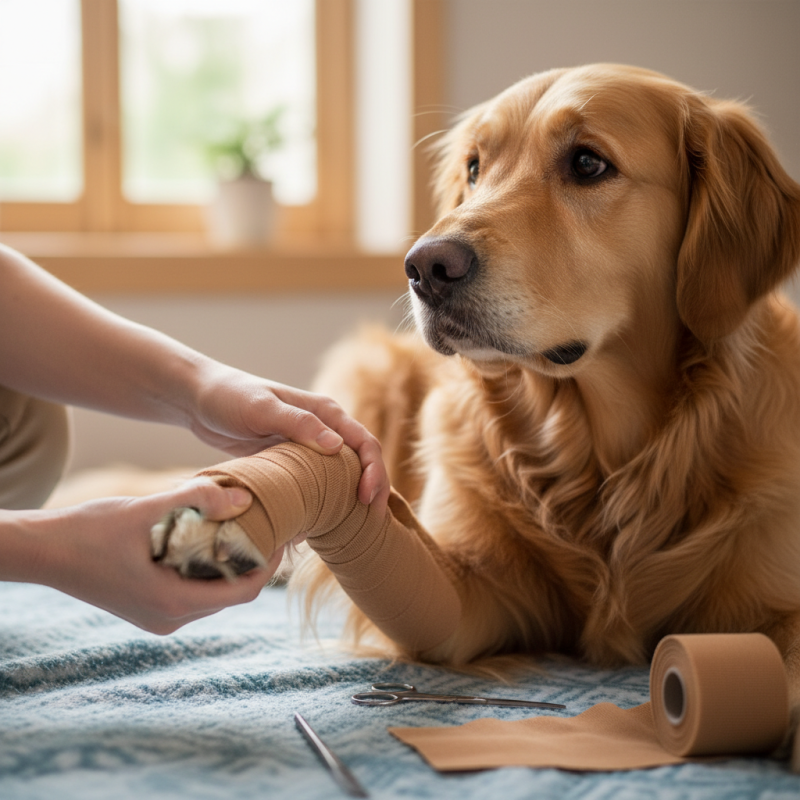
Wrapping a dog’s paw is essential for various reasons, especially after an injury. Research indicates that proper bandaging can significantly reduce the risk of infections. According to a study published by the Veterinary Surgery Journal, 30% of untreated wounds can lead to complications. An appropriate wrap can protect a dog’s vulnerable paw and promote healing.
When applying a self-adherent wrap, ensure it’s not too tight. This helps maintain blood circulation while protecting the injury. A wrap that is overly tight can cause swelling, leading to further issues. Monitoring your dog's behavior is critical. If they show signs of discomfort, re-evaluate the wrap's tightness.
**Tips:** Use a gauze pad to absorb any discharge. Keep the wrap dry to prevent bacterial growth, which can lead to infections. Change the wrap regularly, especially if it becomes damp or dirty. Remember, every dog reacts differently to treatment, so consult a veterinarian if you have concerns. Their expertise is invaluable for ensuring your dog’s well-being.
| Step | Action | Importance | Tips |
|---|---|---|---|
| 1 | Gather materials (self adherent wrap, scissors) | Having the right tools ensures a smoother wrapping process. | Choose an area with good lighting. |
| 2 | Calm the dog and position it comfortably | A relaxed dog is easier to work with, preventing accidental injuries. | Use treats to keep the dog calm. |
| 3 | Clean the paw and check for wounds | Cleaning helps to avoid infections. | Use antiseptic if necessary. |
| 4 | Wrap the paw, starting from the base | Proper wrapping ensures support and protection of the paw. | Avoid wrapping too tightly to ensure circulation. |
| 5 | Secure the end of the wrap | Sealing the wrap properly prevents it from unraveling. | Make sure it doesn’t come loose during activity. |
| 6 | Monitor the paw regularly | Ensuring the wrap is not causing discomfort or restricting blood flow. | Check daily for any signs of irritation. |
: You need a self-adherent wrap, antiseptic wipes, sticky tape, and scissors.
Keep the wrap snug but loose enough to avoid cutting off circulation.
If your dog shows signs of distress, take a break and adjust the wrap.
Use antiseptic wipes to clean any wounds prior to applying the wrap.
Check for dirt, swelling, or color changes; these are signs to replace the wrap.
Use treats and gentle petting to create a positive atmosphere for your dog.
Yes, observe regularly for any signs of irritation or discomfort.
Yes, practicing can enhance your skills and ensure a better experience for your dog.
Be mindful of weather conditions; adjust the wrapping if it becomes uncomfortable.
Using a thin layer of padding can add comfort and protection to any injuries.
Wrapping a dog's paw properly is essential for protection and healing, and understanding how to wrap a dog's paw with self-adherent wrap can make the process easier. Before starting, gather all necessary supplies, including the wrap itself and any additional padding that may be needed. The process involves carefully applying the wrap in a step-by-step manner, ensuring that the paw is secure but not overly tight, which could cause discomfort or restrict circulation.
To enhance the comfort and security of the wrap, it is important to follow some practical tips, such as checking for signs of irritation or discomfort throughout the application. After wrapping, ongoing monitoring and appropriate aftercare are vital to ensure that the wrapped paw remains in good condition, allowing for efficient healing and protection from further injury.

 NuCure Medical