Global Sourcing Hub

CE Certified Laparotomy Sponge Manufacturer & Exporters

Pioneering Medical Grade Fluid Management, Automated Cotton Gauze Manufacturing, and Hospital-Grade Infection Control Solutions Worldwide

Our Advanced Product Portfolio
Precision manufactured medical consumables designed for hospital, veterinary, and therapeutic care.
Whitepaper: Surgical Consumables Evolution

Laparotomy Sponges in Modern Surgery: Technical Standards & Clinical Safety

In high-stakes operating theaters, clinical efficacy depends heavily on the baseline safety configurations of sterile surgical consumables. Among these, the laparotomy sponge (also known as abdominal gauze or laparotomy pad) functions as the primary mechanism for hemostasis, tissue retraction, and fluid absorption during major invasive interventions. Ensuring these sponges satisfy rigorous compliance parameters is fundamental to minimizing post-operative complications and legal liabilities for hospital networks.

Historically, surgical practices relied on basic textile wraps. However, the modern clinical ecosystem requires engineered cotton structures. The primary hazard associated with abdominal surgeries is the occurrence of Retained Surgical Items (RSIs), commonly referred to as "gossypiboma." This condition occurs when a sponge is inadvertently left inside a patient's thoracic or abdominal cavity, culminating in inflammatory responses, severe internal infections, secondary laparotomies, and considerable legal exposure for surgical facilities.
To counter this risk, modern medical manufacturers integrate high-density, X-ray detectable elements directly into the structural weave of the laparotomy sponge. A barium sulfate (BaSO4) infused monofilament thread, securely bonded or woven into the core layers of the multi-ply cotton pad, allows surgical staff to confirm the presence or absence of foreign objects using standard fluoroscopy or intraoperative radiography.
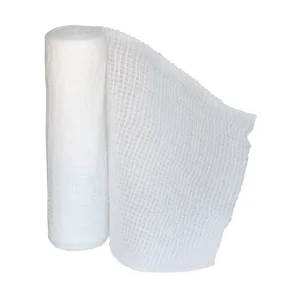
In addition, the linting characteristics of cotton gauze play a pivotal role in infection control. Conventional cotton threads shed micro-fibers, which can lodge in internal tissues, leading to foreign-body granuloma formation or micro-vascular occlusions. High-quality laparotomy sponges utilize long-fiber combed cotton and specialized pre-washing treatments to decrease linting indices, aligning with the stringent requirements of ISO 13485 and European Union Medical Device Regulation (EU MDR 2017/745).
Strategic Procurement Insight

Global Procurement Dynamics: Standardizing High-Volume Sourcing

Hospital Group Purchasing Organizations (GPOs), international medical distributors, and surgical custom-kit packers face the challenge of balancing quality control, supply chain reliability, and unit cost margins. As surgical volumes rise globally, selecting a competent exporter is essential to ensuring smooth hospital operations.

>500%
Fluid Absorption Ratio
100%
X-Ray Detectability
Zero
Chemical Additive Residue
Class 100K
Cleanroom Processing
When evaluating suppliers, global buyers look beyond simple price quotes. The modern procurement framework incorporates strict technical criteria:
1. Material Specifications and Absorbency: A standard laparotomy sponge must meet United States Pharmacopeia (USP) or European Pharmacopeia (EP) specifications for cotton gauze. The fiber structure must exhibit a fluid holding capacity exceeding 500% of its dry weight. Rapid capillary action is required to ensure immediate suction of blood and bodily fluids in emergency trauma situations.

2. Edge Sealing and Construction Security: The perimeter of the pad must be securely bound with overlocked stitching or bias-tape edges. Ring-loops, made of durable blue cotton tape or synthetic materials, must be firmly attached to the sponge body. This design allows surgical nurses to clip the sponges to counting racks or secure them exterior to the abdominal incision.

3. Sterilization Modalities: Sponges are supplied either as "sterile" (often utilizing Ethylene Oxide (EO) or Gamma Irradiation processes in paper-film peel pouches) or "non-sterile" in bulk packaging. Custom pack manufacturers require the bulk non-sterile configurations to act as raw material inputs for custom procedure trays (CPTs).
Future Industry Trends

Technological Frontiers: RFID Integration & Bio-Degradable Materials

The surgical consumables market is transitioning from basic utility items to high-compliance, intelligent safety systems. Leading manufacturers are adjusting their production lines to accommodate the next generation of operating room technologies.

RFID Tracking Technologies

Integrating passive UHF RFID chips within the hem of each laparotomy sponge. This technology allows automated scanning systems to verify the sponge count inside the patient without requiring physical contact.

Eco-friendly Bleaching Processes

Eliminating chlorine-based agents. Modern manufacturers use Totally Chlorine-Free (TCF) or Hydrogen Peroxide (H2O2) bleaching systems to protect structural fibers and reduce chemical wastewater emissions.

Engineered Fiber Blends

Blending medical-grade viscose with natural cotton to optimize capillary absorption speed and improve tensile strength when wet, reducing the risk of fiber shredding.

Factory 4.0 & Smart Infrastructure

China Factory 4.0: Achieving Supply Chain Resilience & Production Efficiency

China's medical manufacturing industry has shifted from labor-intensive assembly lines to smart, automated factories. This change is driven by the implementation of Factory 4.0 principles, which integrate automated weaving, optical sorting, computerized cutting, and inline quality control systems.

This advanced infrastructure allows manufacturers to produce large volumes of medical supplies with consistent quality. By minimizing manual handling, automated systems reduce human contamination risks, ensuring the products meet the standards required for Class 100,000 (ISO Class 8) cleanroom processing.

For international buyers, this modernization translates to reliable supply chains, shorter production lead times, and stable pricing. Automated inventory tracking and flexible manufacturing processes help factories quickly adjust to sudden changes in global demand, minimizing supply chain disruptions.
Yueqing NuCure Medical Factory Production Cleanroom Facility
Manufacturer Profile

Yueqing NuCure Medical Co., Ltd.

Yueqing NuCure Medical Co., Ltd. is a professional, innovative, and customer-oriented enterprise dedicated to providing comprehensive one-stop solutions for clients in the medical, sports, and veterinary industries. With years of industry experience and a reputation for quality, reliability, and professional service, our medical consumables are widely recognized and trusted by healthcare providers worldwide.
Yueqing NuCure Medical Office and Staff Assembly

Comprehensive R&D, OEM and ODM Capabilities

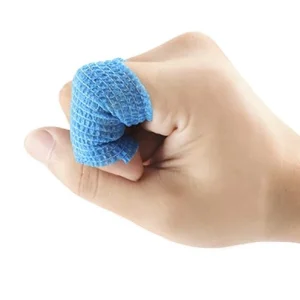
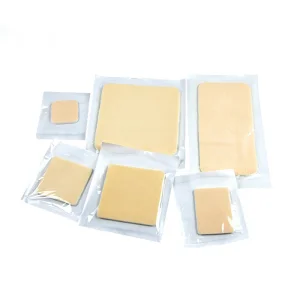
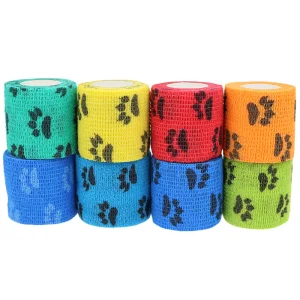
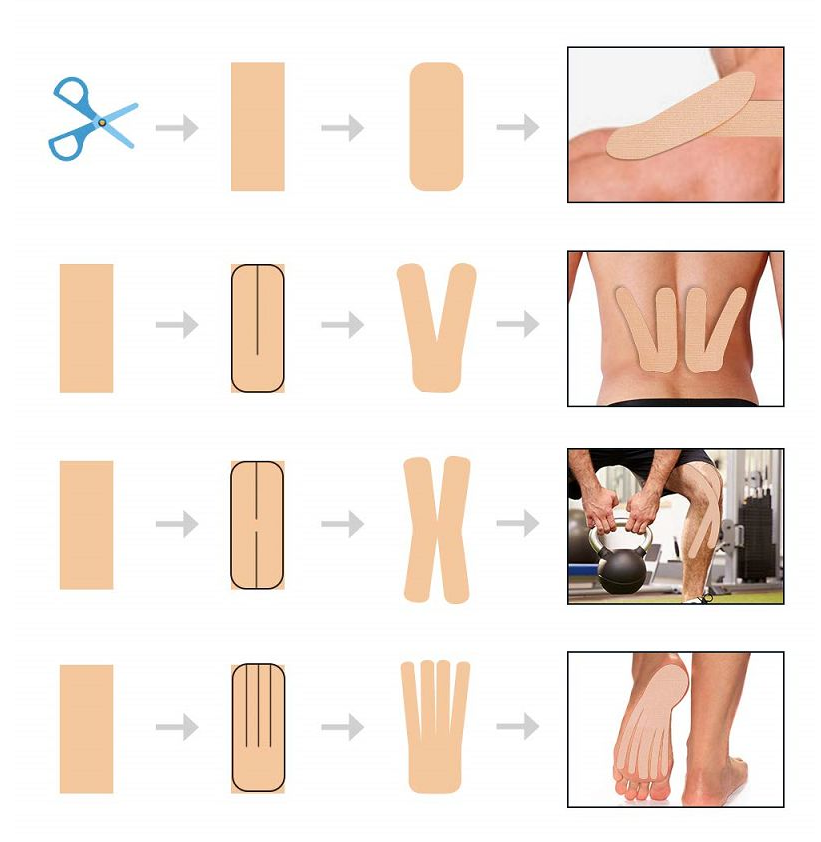
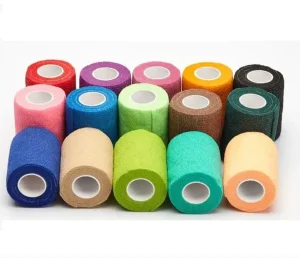
We focus on the research, development, production, and export of a broad range of medical and sports care products. Our extensive product portfolio includes cohesive bandages, kinesiology tapes, sports tapes, medical adhesive tapes, veterinary bandages, and other essential medical supplies.

Leveraging our advanced manufacturing capabilities and professional R&D team, we provide flexible OEM and ODM services. We help clients design and customize products that meet their specific branding requirements, technical specifications, and international quality standards.

"Guided by our mission, 'Being Your Best Solution in China,' we welcome partners from all over the world to collaborate with us."

Rigorous Quality Assurance & Compliance

At Yueqing NuCure Medical, we prioritize innovation, quality control, and customer satisfaction. Our manufacturing processes comply with strict quality management systems. Every production batch undergoes rigorous inspection to verify safety, reliability, and functional performance. By continuously investing in advanced production technology and product research, we meet the changing requirements of medical professionals, athletic organizations, and veterinary practitioners.

Our corporate culture is built on integrity, collaboration, and excellence. We strive to establish long-term partnerships with our global clients by providing responsive customer support, clear communication, and professional guidance. As part of our vision to be a leading global provider of medical and sports care solutions, we are committed to delivering products that meet international regulatory standards and support patient well-being.

Clinical Utility & Scenarios

Clinical Application Scenarios & Operating Room Guidelines

Laparotomy sponges are specialized medical tools used in several clinical procedures. Their configuration is tailored to the specific needs of different surgical disciplines.

1. Abdominal & Visceral Surgery

Used during major abdominal surgeries to retract organs, absorb fluids, and maintain a clear view of the surgical field. The high absorption capacity helps control bleeding and manage large volumes of fluid.

2. Thoracic & Cardiac Surgery

Employed in thoracic procedures to absorb fluids around the pleural cavity and protect nearby tissues. X-ray detectable elements allow for quick verification during chest closure.

3. Veterinary Surgery

Applied in veterinary medicine for abdominal operations on large animals. Customized sizes and flexible configurations satisfy the requirements of veterinary clinical practices.

Technical & Procurement FAQ

Frequently Asked Questions: Technical Specifications & Procurement

Key information regarding laparotomy sponge manufacturing standards, material specifications, and regulatory compliance.
What are the requirements for CE certification of laparotomy sponges?
Under the European Union Medical Device Regulation (EU MDR 2017/745), sterile laparotomy sponges are classified as Class IIa or Class Is medical devices, depending on their sterile status. Certification requires auditing of the manufacturer's quality management system (ISO 13485) and the submission of technical documentation demonstrating biocompatibility (ISO 10993), low bioburden levels, sterilization validation (ISO 11135 for EO sterilization), and mechanical integrity (tensile strength and low fiber shedding).
How does the X-ray detectable thread function, and what is its composition?
The X-ray detectable element consists of a monofilament thread or strip containing at least 55% Barium Sulfate (BaSO4). This inert chemical compound is opaque to X-ray radiation. During manufacturing, the thread is woven directly into the gauze structure or heat-bonded to the fabric. Its radiopaque properties allow surgical teams to detect and locate a misplaced sponge using a standard C-arm fluoroscope or conventional radiography.
What options are available for customizing laparotomy sponges for OEM orders?
Yueqing NuCure Medical Co., Ltd. provides customized manufacturing options (OEM/ODM). Options include custom sizing (e.g., 30cm x 30cm, 45cm x 45cm), ply configurations (12-ply, 16-ply, 24-ply), pre-washed or unwashed cotton fabrics, custom stitching thread colors, and variable placement of the blue safety loop. Packaging can be configured as sterile blister packs (1s, 2s, 5s, or 10s per pack) or bulk non-sterile packs for kit-packing companies.
How does the factory control cotton lint and particulate contamination?
Particulate control starts with selecting long-staple cotton fibers. During weaving, yarn ends are folded inward to eliminate raw edges. We apply a multi-stage pre-washing process that removes loose fibers and starch residues. The cutting, folding, and packaging steps are conducted in a Class 100,000 cleanroom, where environmental variables (air exchange rates, temperature, humidity, and particle counts) are monitored.